

Theatre of the World Chemnitz 2026
Germany's largest international festival for contemporary stage art
An overwhelming response from the audience
The festival achieved an attendance rate of over 90 per cent across its events

With just under 17,000 visitors and a capacity utilisation rate of 91.8 per cent, the THEATER DER WELT festival has come to an end. The fact that most performances were sold out is testament to the enormous public response to this festival.
“Even in the run-up to the festival, there was a great deal of interest and curiosity about the programme, and this was fully confirmed over the three weeks of the festival,” says Stefan Schmidt, one of the three festival directors. “This came as no surprise to me, as Chemnitz had already shown itself to be a cosmopolitan city during its time as European Capital of Culture 2025. The fact that, with funding from the city, the state and the federal government, we were able to bring the festival straight to Chemnitz afterwards was a wise and far-sighted decision in terms of cultural policy, one that will ensure the positive impact of the European Capital of Culture year continues to resonate for a long time to come.”
Thanks in part to extensive media coverage reaching as far as Australia and a reach of millions via social media channels – bolstered by the participating artists from Indonesia, Iran, the Czech Republic, Saudi Arabia, Sri Lanka, Japan, France, South Africa, Colombia and many other countries, Chemnitz remains in the international spotlight.
Germany's largest international festival for contemporary stage art

40 productions | 18 days of the festival | Artists from every continent | Dance, theatre, opera, music, concerts, performance, clubbing, discourse | For everyone
The festival is organised jointly by Theater Chemnitz, The Festival Academy Brussels and the European Capital of Culture Chemnitz 2025 gGmbH. The festival takes place every three years in a different German city; in 2026, it will be held in Chemnitz. Preparations are underway for a festival that transcends boundaries and brings people together.

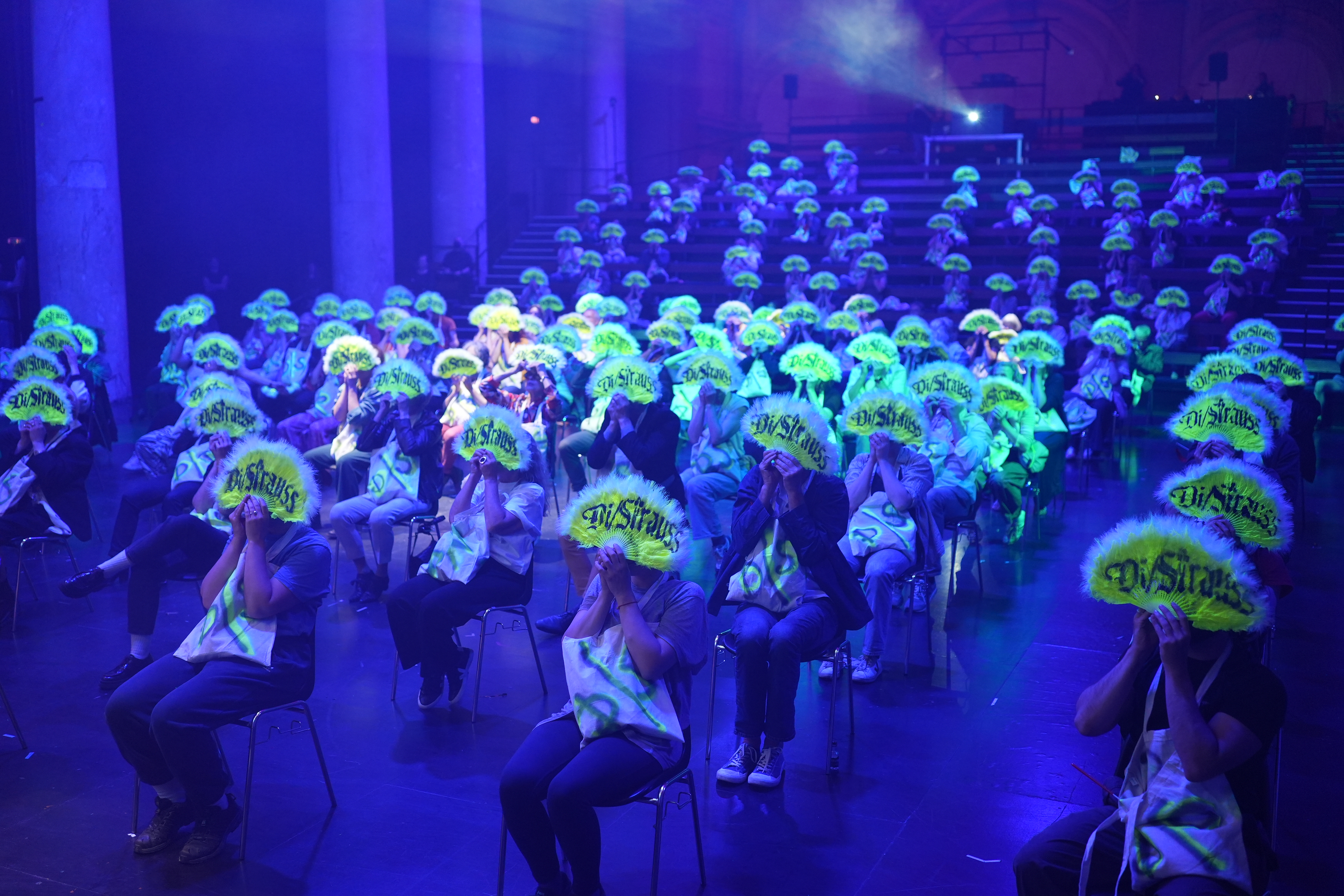


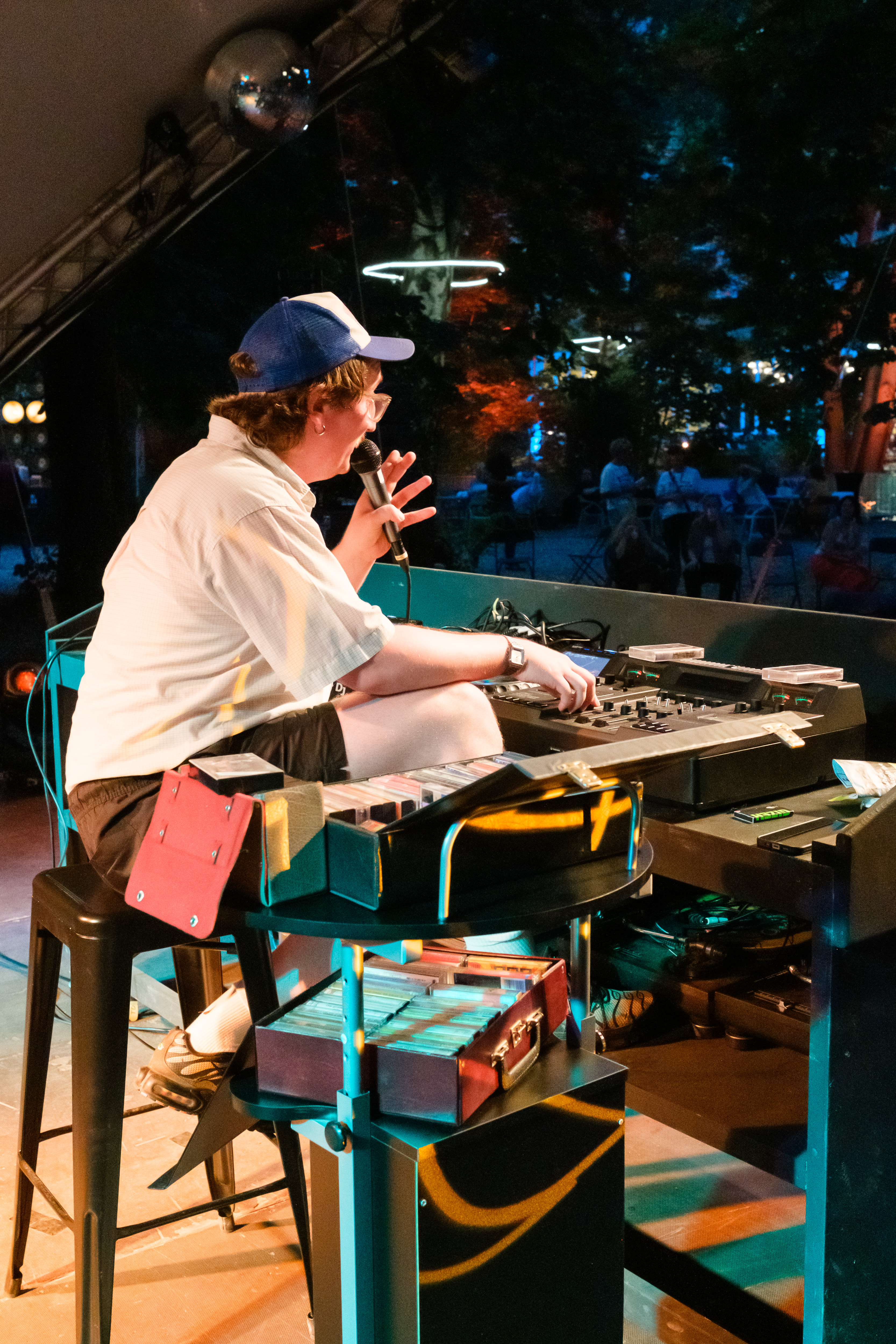


Many people attended several events during the three weeks of the festival. Around a third of the audience travelled from outside the local area, including numerous national and international industry professionals. The festival’s international programme was complemented by introductions and post-performance discussions for all performances. The high level of public interest in the public discussions with artists from all over the world demonstrated that theatre is an indispensable space for encounter and exchange.
For three weeks, the heart of the international theatre world beat in Chemnitz. Squares, stages and streets became places for people to meet, to be amazed and to share experiences. People from all walks of life struck up conversations, celebrated the diversity of the arts and rediscovered the city.
Theater der Welt is a festival organised by the German Centre of the International Theatre Institute (ITI) and has been held every three years in a different German city since 1981.
Theater der Welt has impressively demonstrated in Chemnitz that every edition of the festival writes its own unique story – shaped by the city, its people and the artistic perspectives that come together here. The international curatorial collaboration involving nine curators has highlighted the diversity of curatorial practice and demonstrated just how enriching a multitude of voices and dialogue are for the performing arts. It was a celebration with and for Chemnitz.
The festival programme was developed through a collective curatorial process that is unprecedented: nine international curators jointly invited a total of 33 productions from all over the world to Chemnitz. This enabled them to present an enormous variety of different theatrical forms and aesthetics. This new curatorial experience extends far beyond this festival. It is changing us all – artists, curators, audiences and partners. It is giving rise to new collaborations, ideas and forms of cooperation that transcend our borders and identities, and which send a powerful message of hope for our shared humanity.
In total, three world premieres, 11 European premieres and 18 German premieres were staged. The extensive programme of free music events featured more than 200 performances by over 400 artists at various venues. Hall 5 provided a unique and exclusive venue on the Spinnbau site for the duration of the festival; it is expected to return to industrial use after the festival. The festival centre in the Spinnbau garden was very well received by visitors and has sparked ideas for its future use, for example for smaller-scale summer theatre productions.