

Chemnitz Art Collections - Schloßbergmuseum
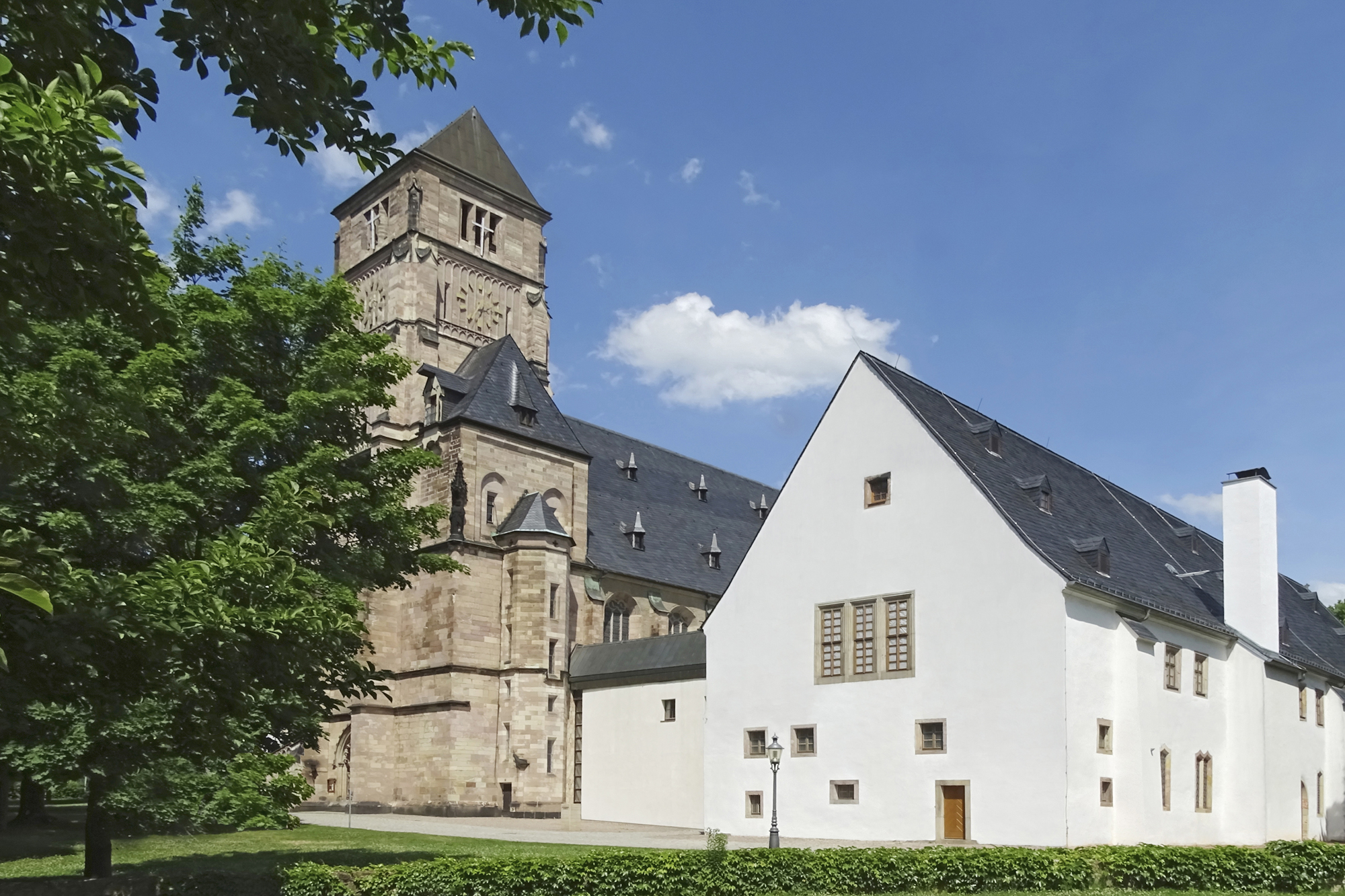
The Chemnitz Museum of City History is housed in one of the most beautiful and best-preserved monastery complexes in Saxony. Around 1135, Emperor Lothar had a Benedictine monastery built on a ridge above the Chemnitz River, which existed until the years of the Reformation. The surviving building fabric dates back to various construction phases: The Romanesque south apse still belongs to the foundation building (around 1150), the early Gothic east wing to the oldest stone monastery building (1275), the south wing and the church to the late Gothic construction phase under the last two abbots Heinrich von Schleinitz and Hilarius von Rehburg (1483-1539).
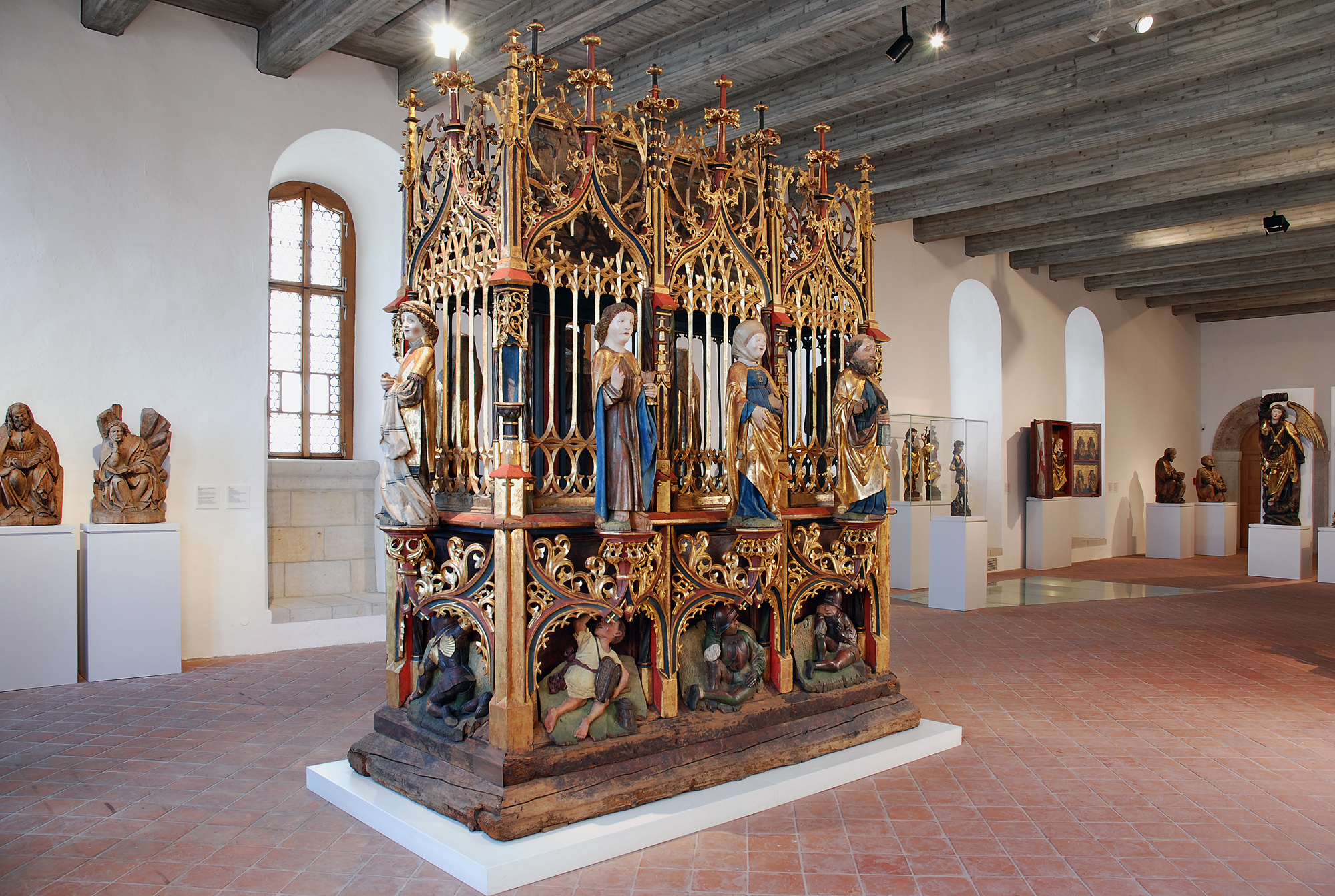
Since its reopening in 1994/1995, the old monastery and palace building has once again housed the extensive collections on the history of Chemnitz, whose finest pieces of painting and sculpture, historical textiles, jewellery, furniture and everyday objects from the 12th to 20th centuries can be seen in the permanent exhibition Bildersaal Chemnitzer Geschichte. The museum organises special exhibitions on cultural and art-historical themes every year.
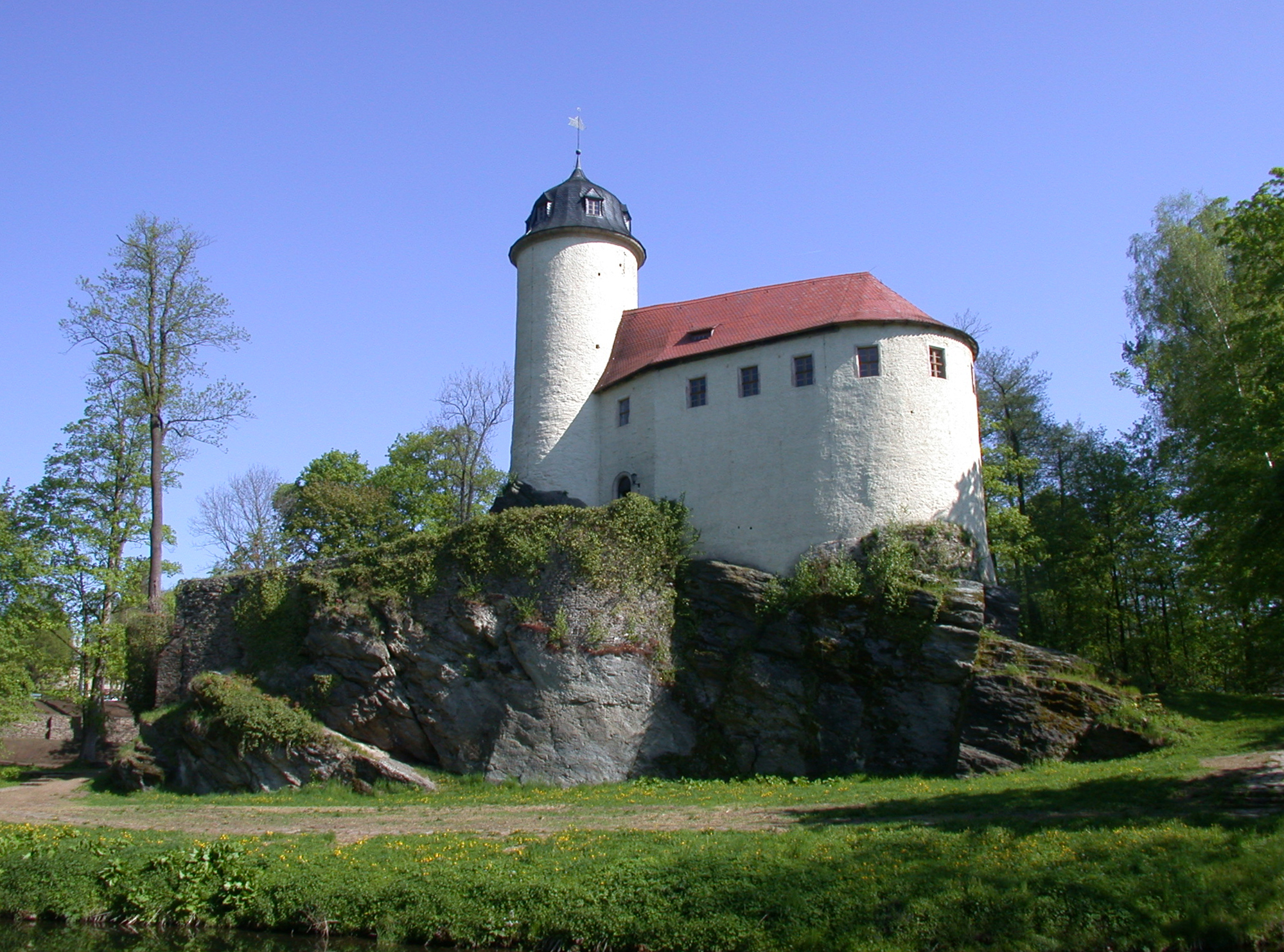
Saxony's smallest castle, Rabenstein Castle, is also part of the Schloßbergmuseum.


Highlights 2026
Special exhibitions
- "A mining parade - Twelve people from the Ore Mountains mining region"
26 October 2025 until 22 February 2026 - "Completely pure! Jewish ritual baths"
29 March 2026 to 7 June 2026 - "Architectural agony in light and shadow Abandoned and vanished buildings in Chemnitz"
26 June 2026 to 20 September 2026 - "Fire and Flame for Chemnitz On the history of the Chemnitz fire brigade"
1 November 2026 to 28 February 2027 - "Jutta Müller's world"
28 November 2026 to 29 March 2027