

Stolpersteine in Chemnitz
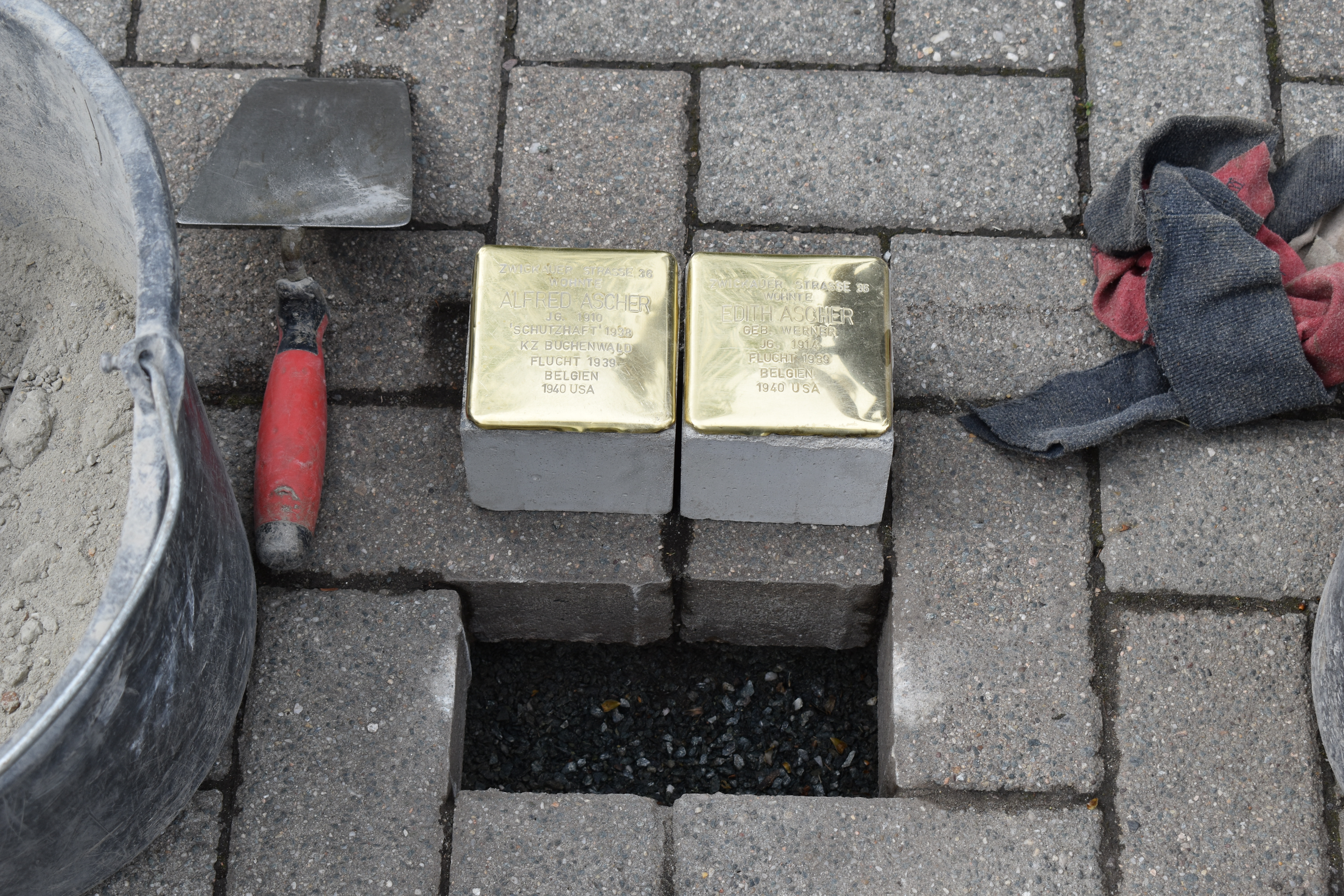
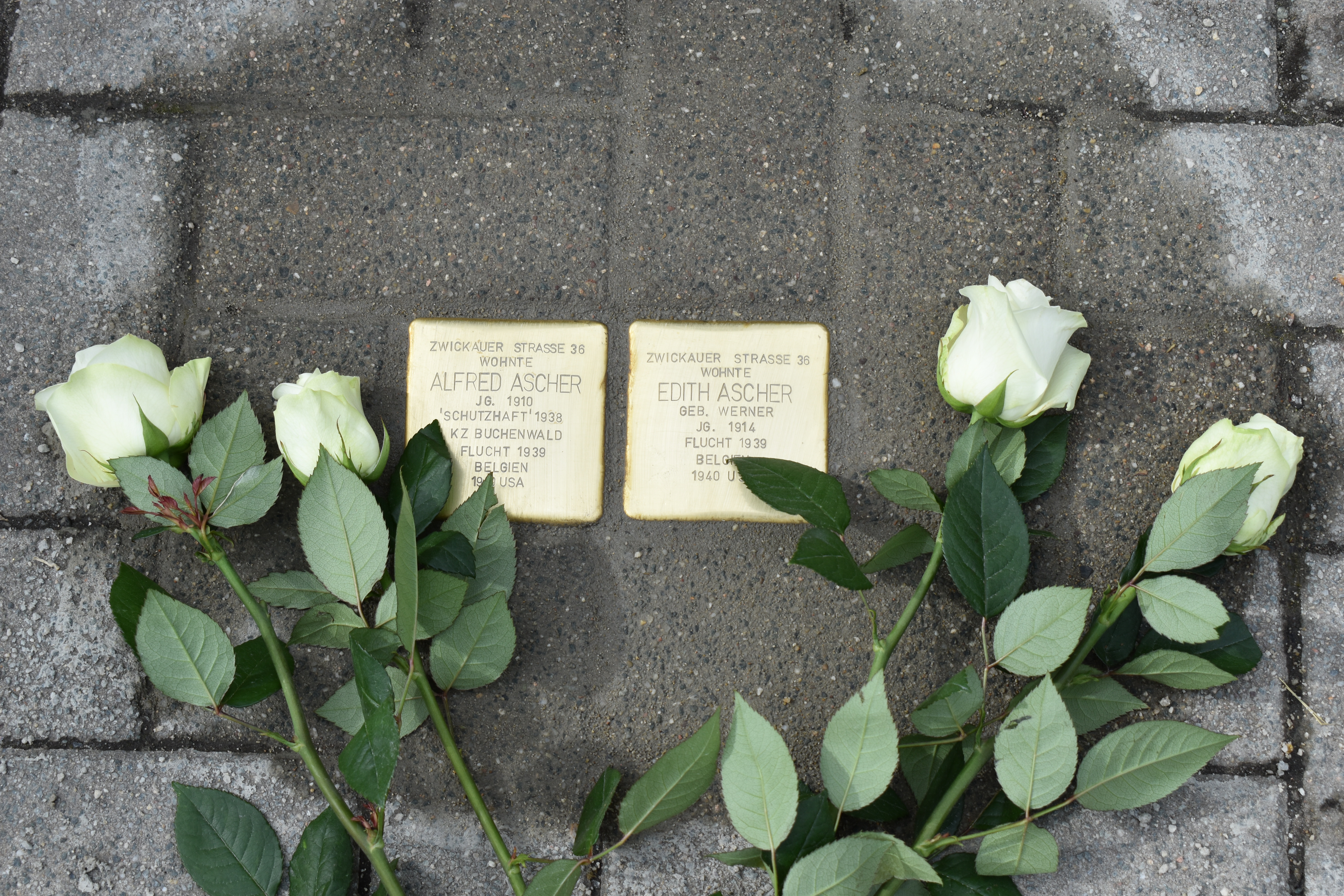
Alfred and Edith Ascher
Alfred and Edith Ascher

Alfred Ascher
Born: 21 January 1910
Died: 14 September 1983
Edith Ascher, née Werner
Born: 2 January 1914
Died: 28 January 2007
Location:
Zwickauer Straße 36
Stolperstein laid on:
6 May 2026
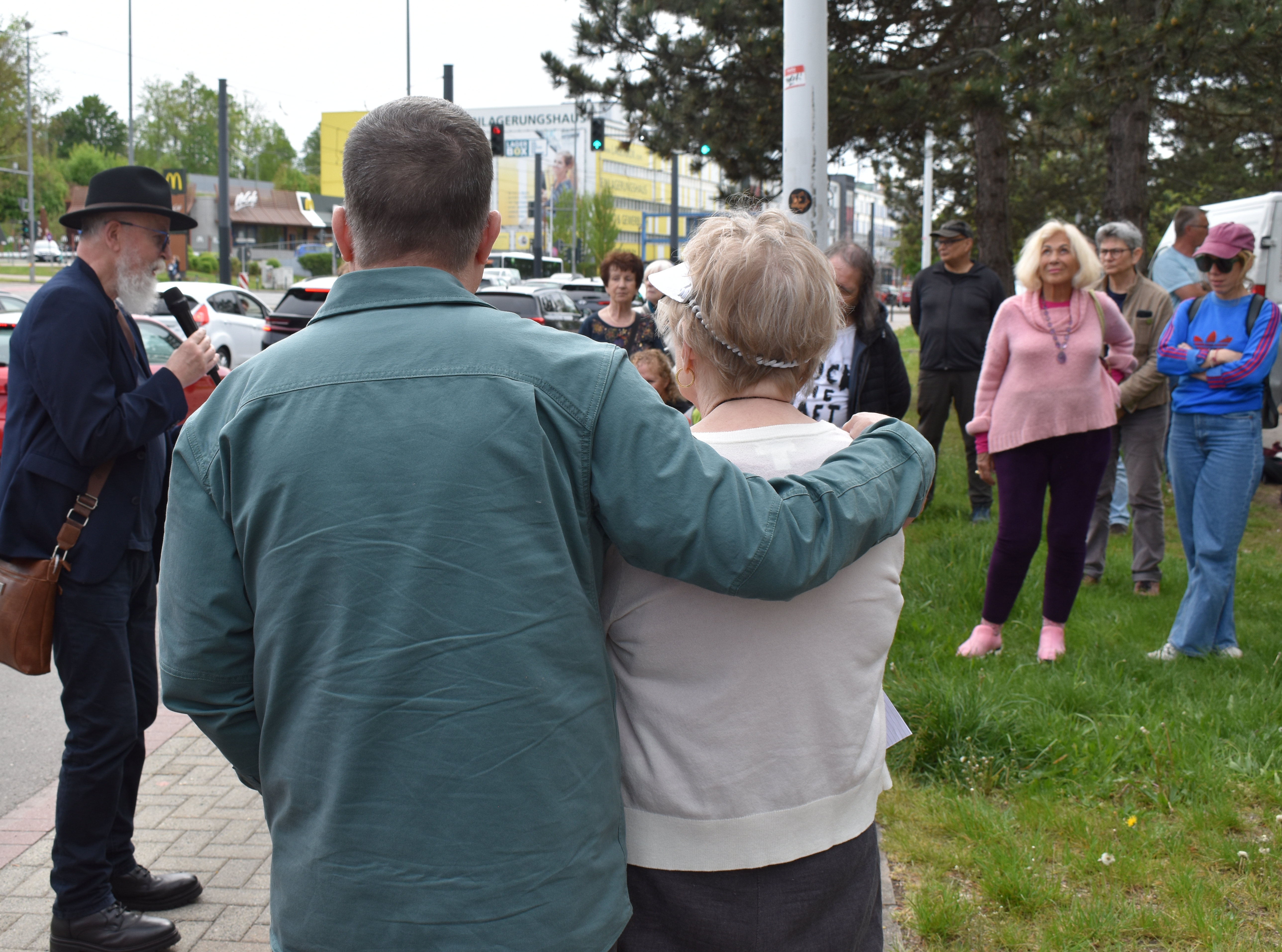
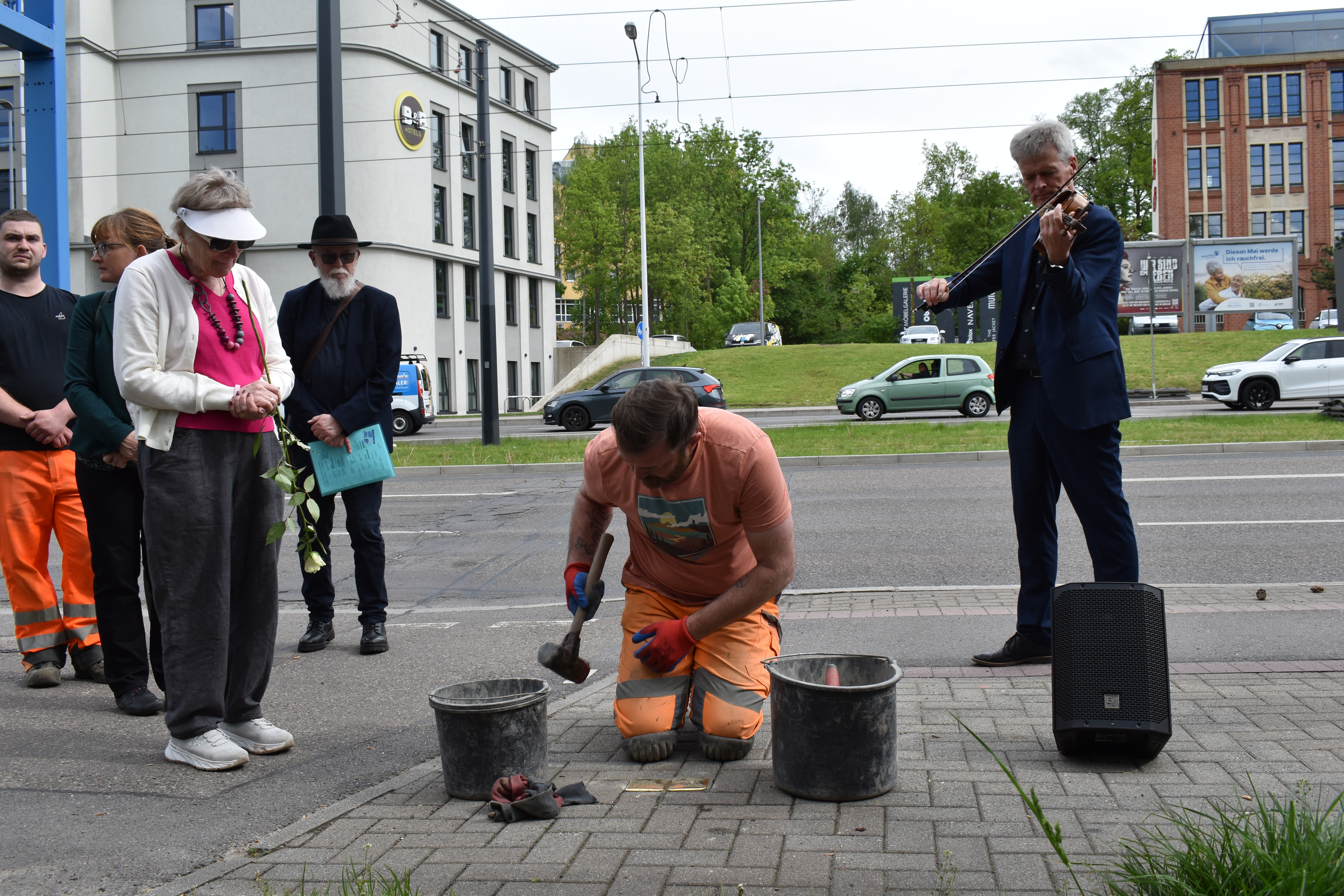
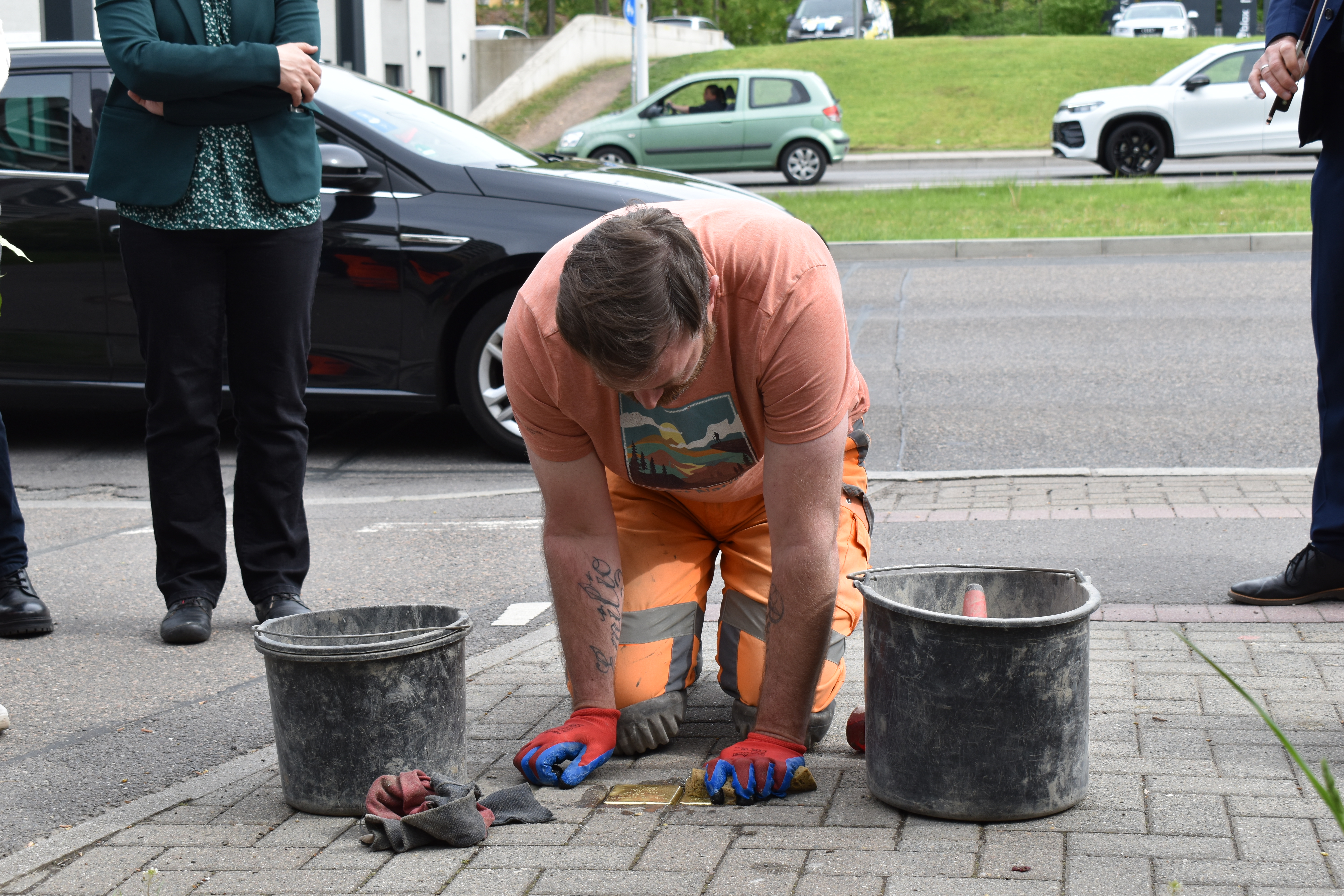
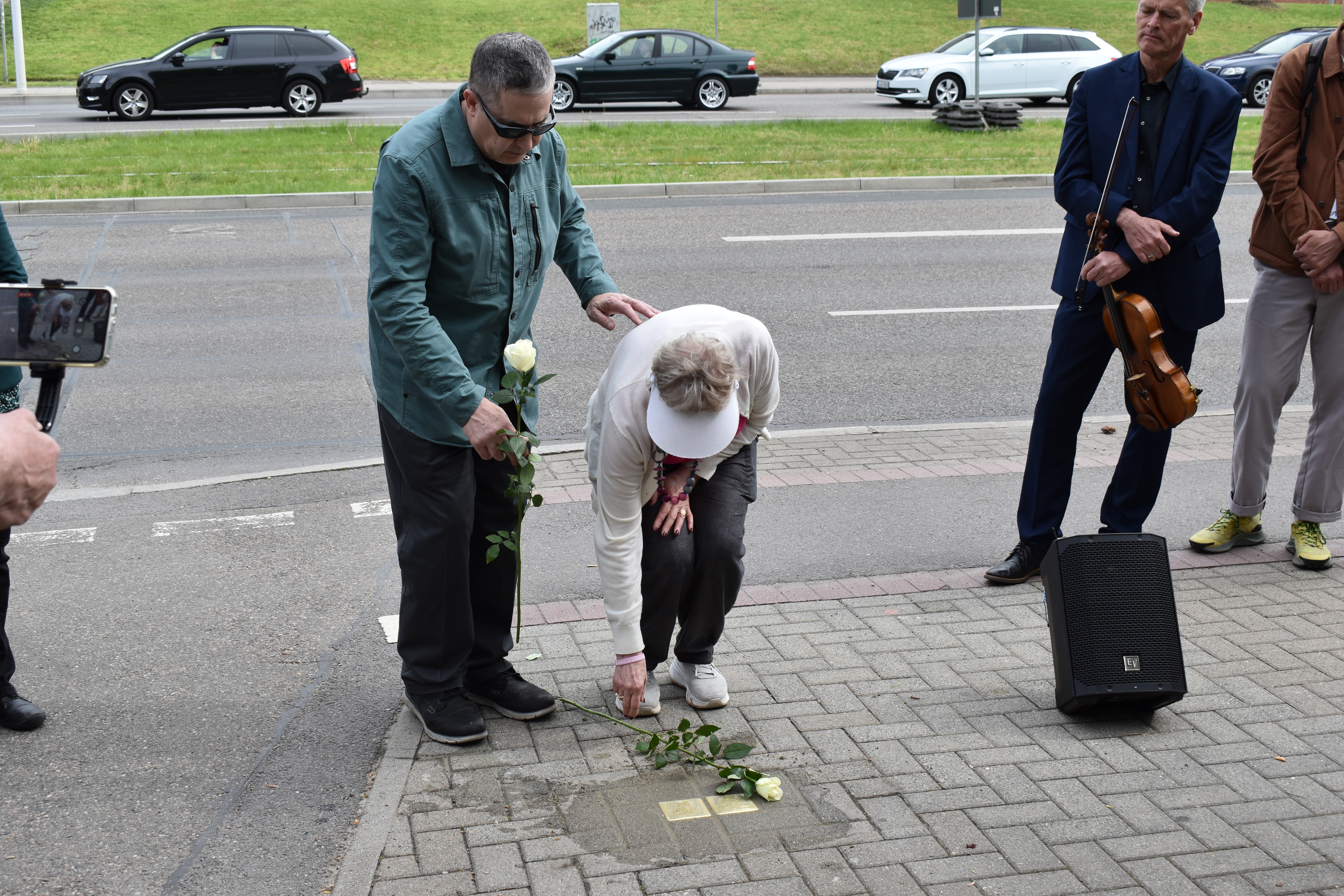
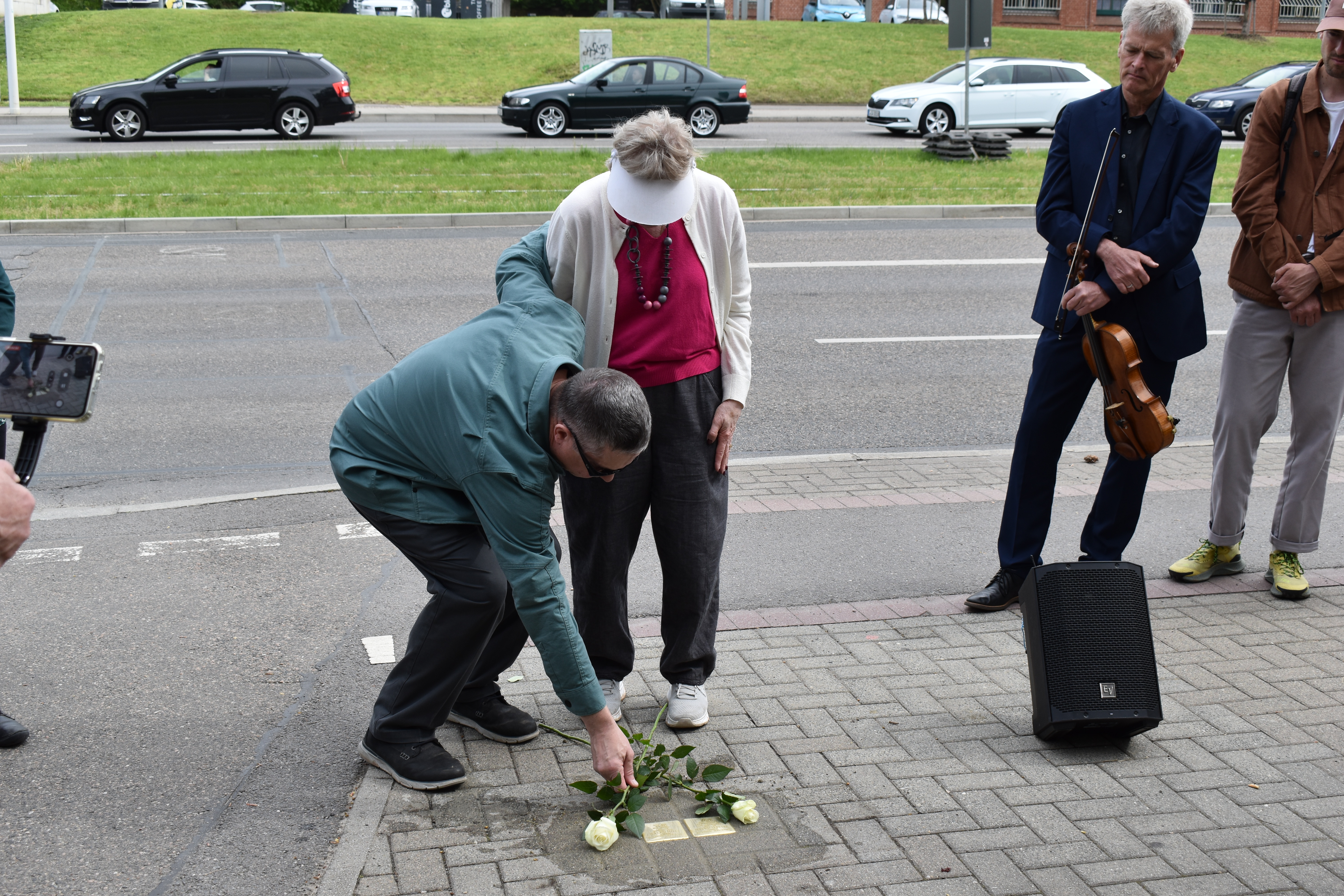
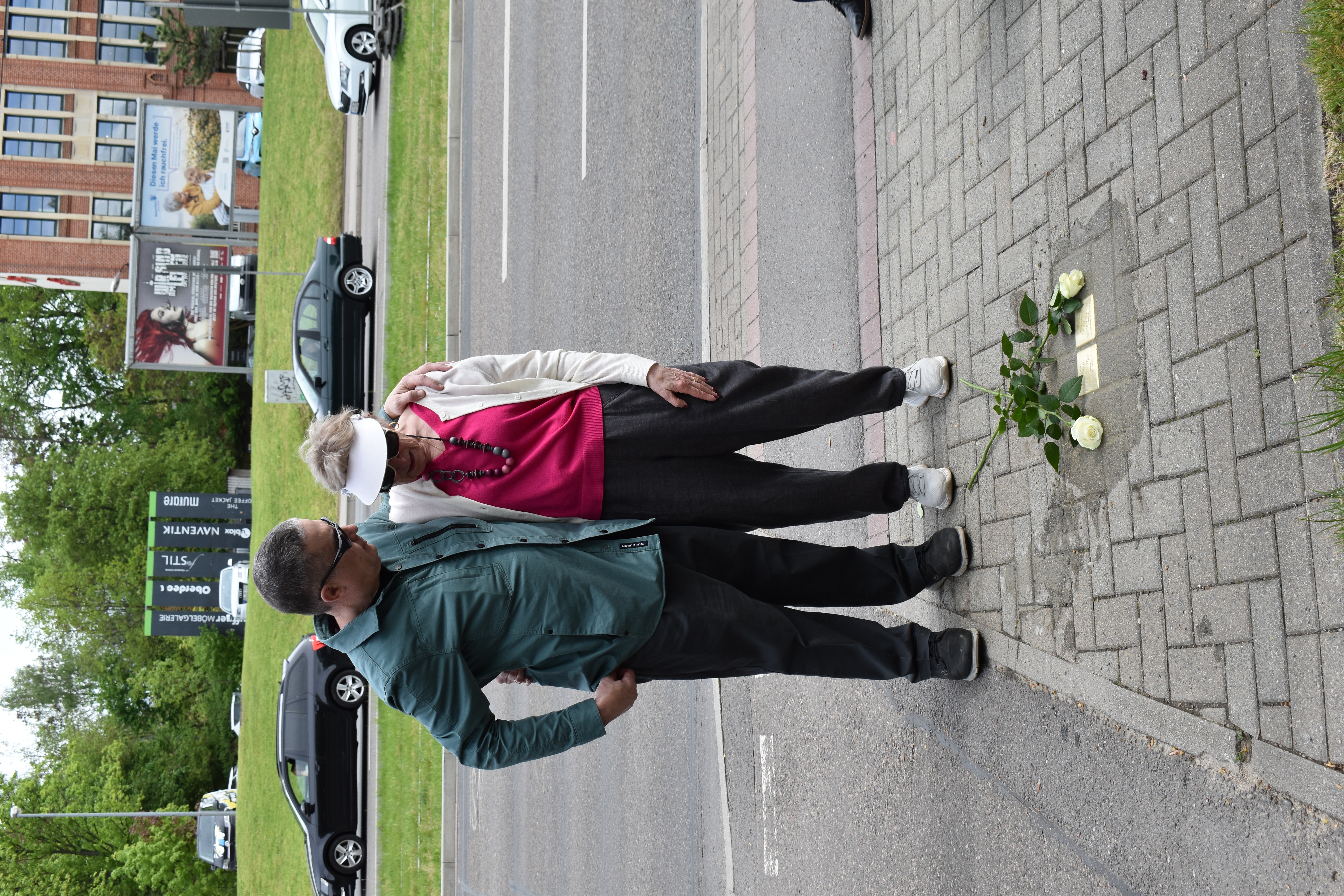
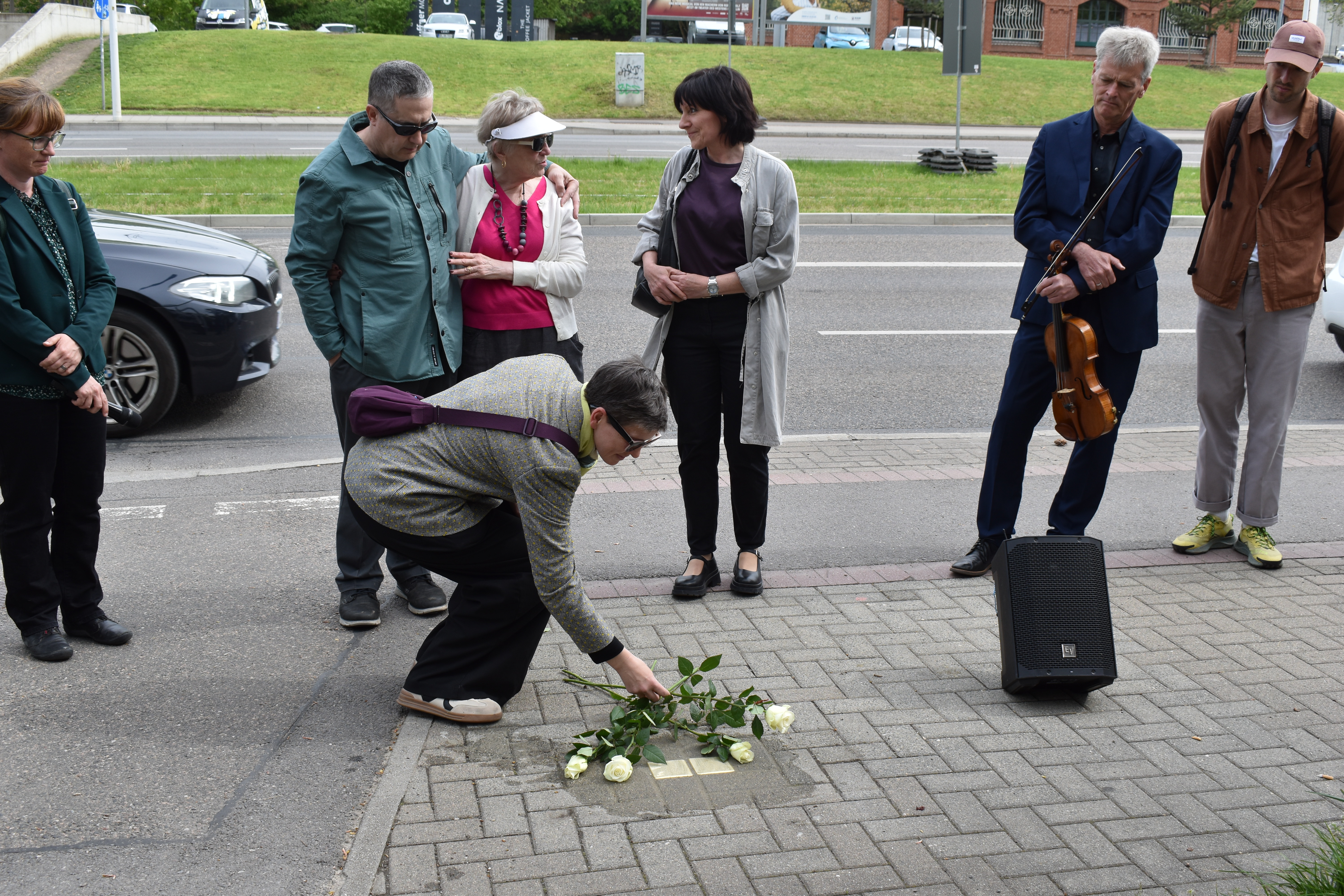
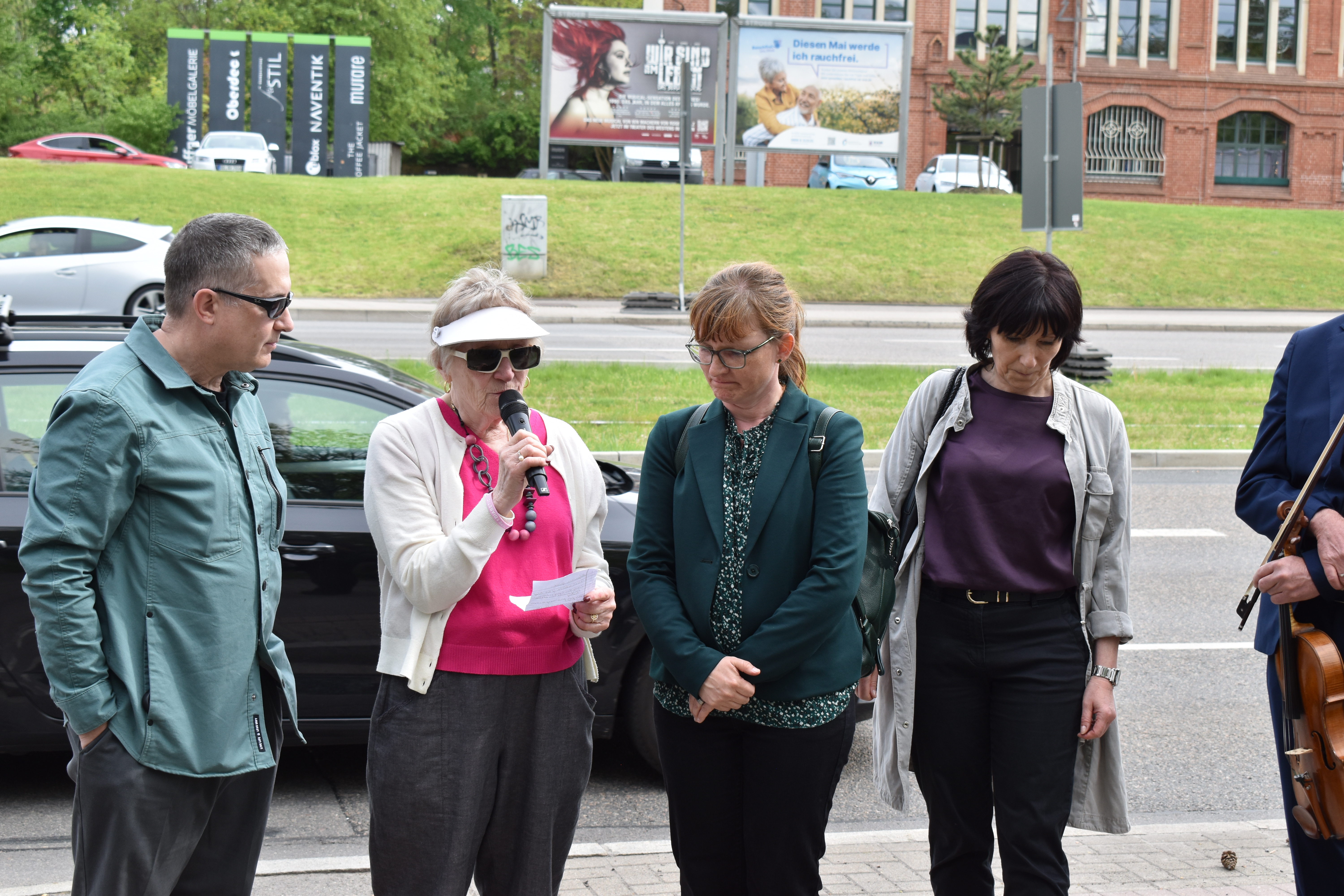
Photos of the laying of the Stumbling Stones
Life Path
The merchant Alfred Ascher was one of the many Jewish shoe retailers in Chemnitz. His shoe shop, “Der elegante Schuh”, was located at Markt 14/15.
What is known of the Berlin-born son of Hermann Ascher and Klara Schachmann? Just three months after Alfred’s birth, his parents relocated to Chemnitz. From that time on, the family, including their daughter, resided in the city centre.
Hermann Ascher became a co-owner of the Chemnitz branch of the limited partnership Max Tack in Straußberg. Following the departure of the Tack family in 1920, Hermann Ascher took over the shoe shop. From then on, the Ascher spouses lived at Zwickauer Straße 36.
Alfred attended the First Higher Elementary School in Chemnitz before transferring to the “Realgymnasium” in spring of 1920. He left the school four years later to begin a commercial apprenticeship in the family business. Following his father’s death in June 1926, his mother, Klara Ascher, took over the firm. In October 1929, she sold the business to the Berlin merchant Samuel Abraham Michelsohn, whom she had married the previous year. The shoe shop subsequently moved to Königstraße 9, but at the height of the Great Depression, the new owner was forced to close the business.
The rise of the National Socialist regime ushered in a period of disenfranchisement and persecution for Alfred Ascher as well. On 1 April 1934, he became engaged to Edith Werner from the suburb of Siegmar. The wedding took place on 7 November 1935. The cattle dealer Felix Werner, Edith’s father, and the merchant Siegfried Kantorowicz, Alfred’s brother-in-law, were the witnesses. Alfred Ascher was arrested in connection with the November pogrom of 1938 and transferred to Buchenwald concentration camp. On 15 December 1938, the Chemnitz authorities contacted the camp commander. Alfred Ascher may have assumed that this was regarding his imminent release. However, the district administration asked the commandant to confiscate Ascher’s drivers licence. It was not until 14 January 1939 that the “action Jew”, as the men were referred to by the NS-authorities, was released.
Realising they had no future under the National Socialist regime, the couple initially planned to emigrate to England; however, they ultimately chose to settle in the United States of America. Their journey took them first to Belgium, where they waited in Brussels for their American entry visas. These were granted just four months before the ”Wehrmacht" invaded Belgium. They boarded the passenger ship “Westernland” in Antwerp and arrived in New York on 3 February 1940. That same day, an announcement in the “Reichsanzeiger” confirmed that the couple had been stripped of their German citizenship in connection with their emigration.
From New York, the spouses travelled to East Orange, New Jersey, to join a cousin who lived there. They had one daughter, Sonia Claire, born in 1942. The family later moved to Manchester, Hillsborough County, in New Hampshire. Tragically, Edith’s parents, Felix and Bertha Werner, were deported to Bełżyce, near Lublin, in May 1942; where they were murdered.
Alfred Ascher passed away following a serious illness on 14 September 1983. Edith, who eventually remarried, outlived her first husband by more than 24 years. She died on 28 January 2007 in the city of Nashua, New Hampshire.
Author: Dr Jürgen Nitsche