

Stolpersteine in Chemnitz
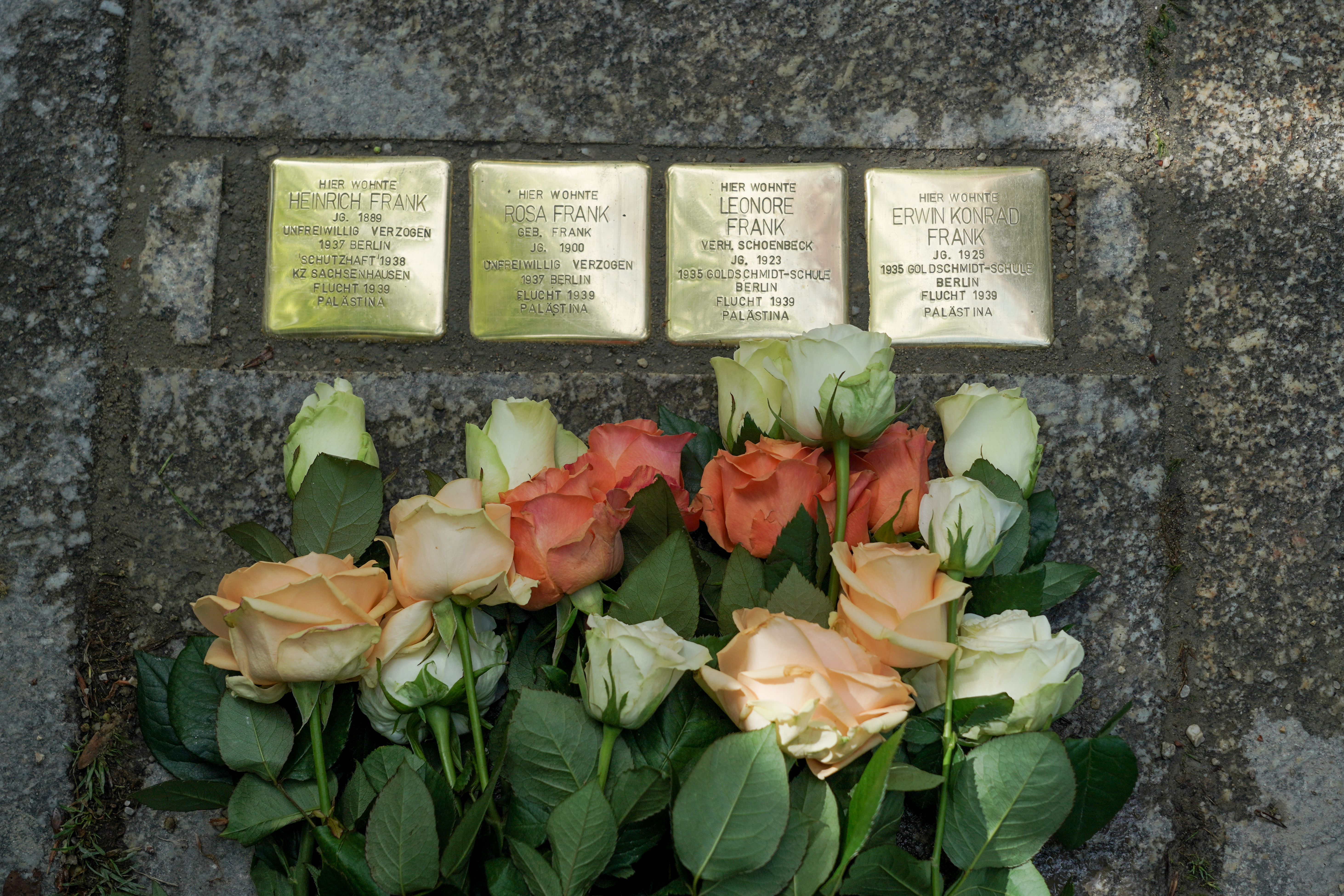
Heinrich Moritz Frank, Rosa Frank, Leonore Frank and Erwin Konrad Frank
Heinrich Moritz Frank, Rosa Frank, Leonore Frank and Erwin Konrad Frank

Heinrich Moritz Frank
Born: 11 September 1889
Died: 24 May 1955
Rosa Frank, née Frank
Born: 18 May 1900
Died: 6 October 1982
Leonore Frank, mar. Schoenbeck
Born: 10 October 1923
Died: 14 November 2009
Erwin Konrad Frank
Born:15 December 1925
Died: 26 June 2024
Location:
Katharinenstraße 2
Stolperstein laid on:
6 May 2026
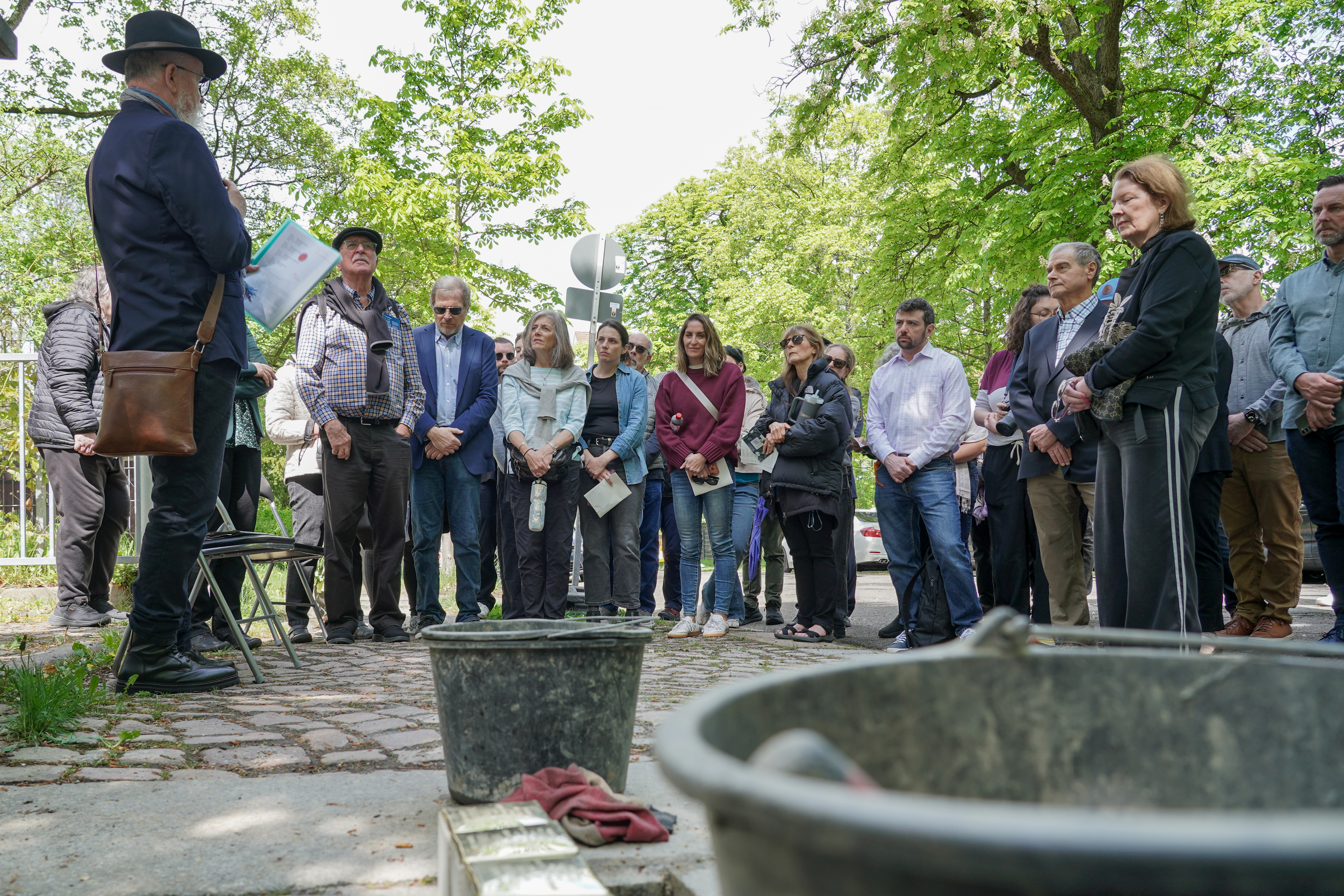
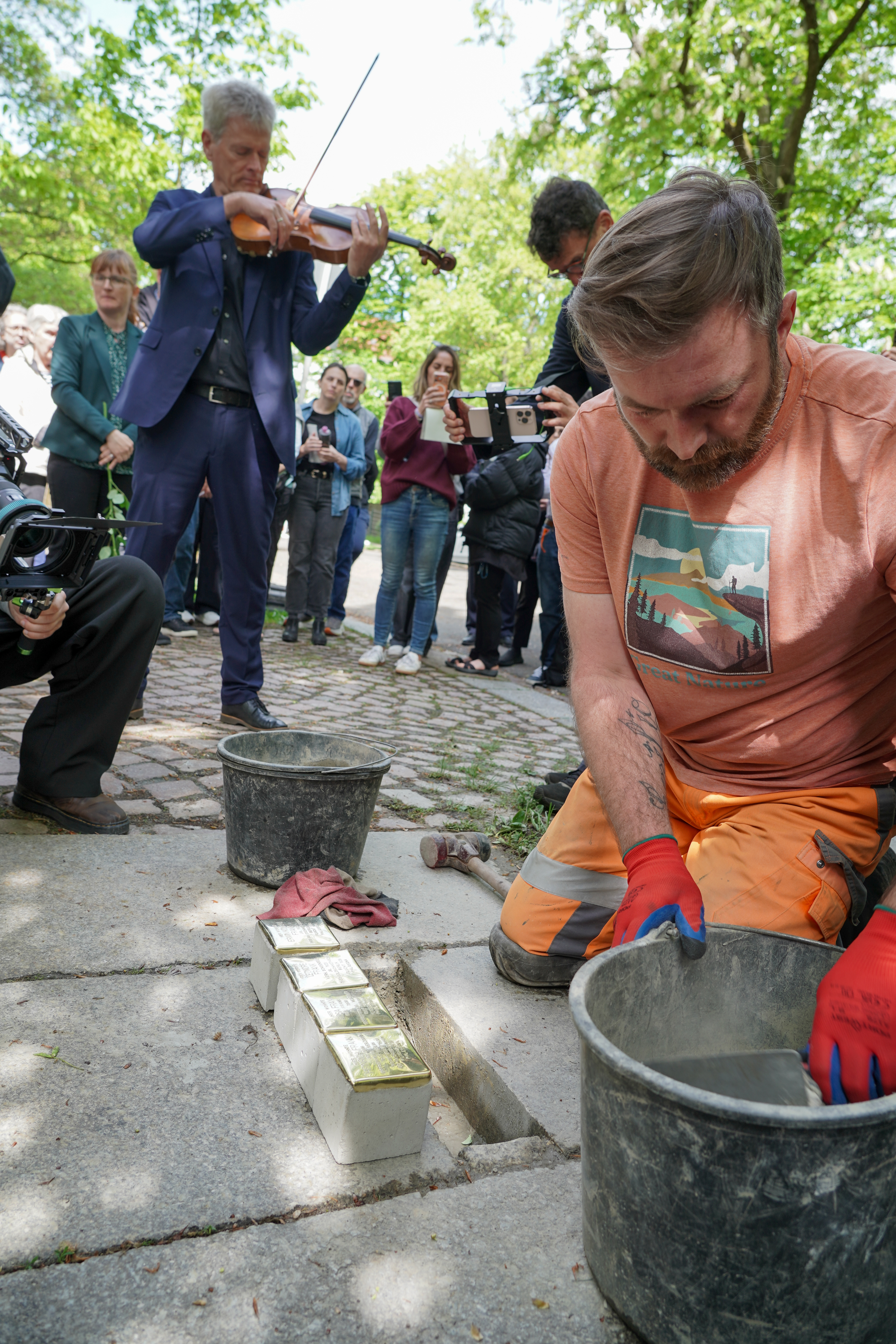
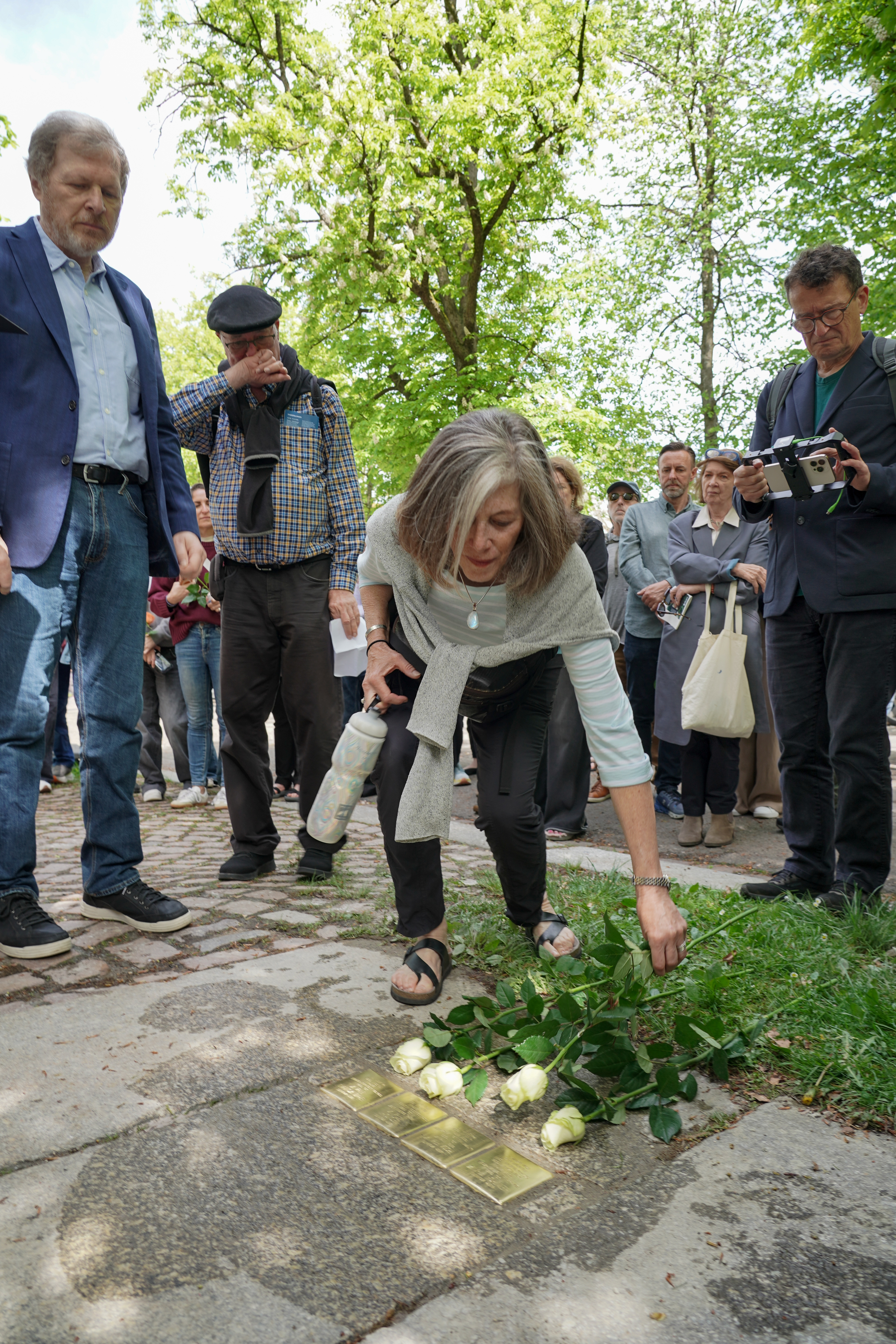
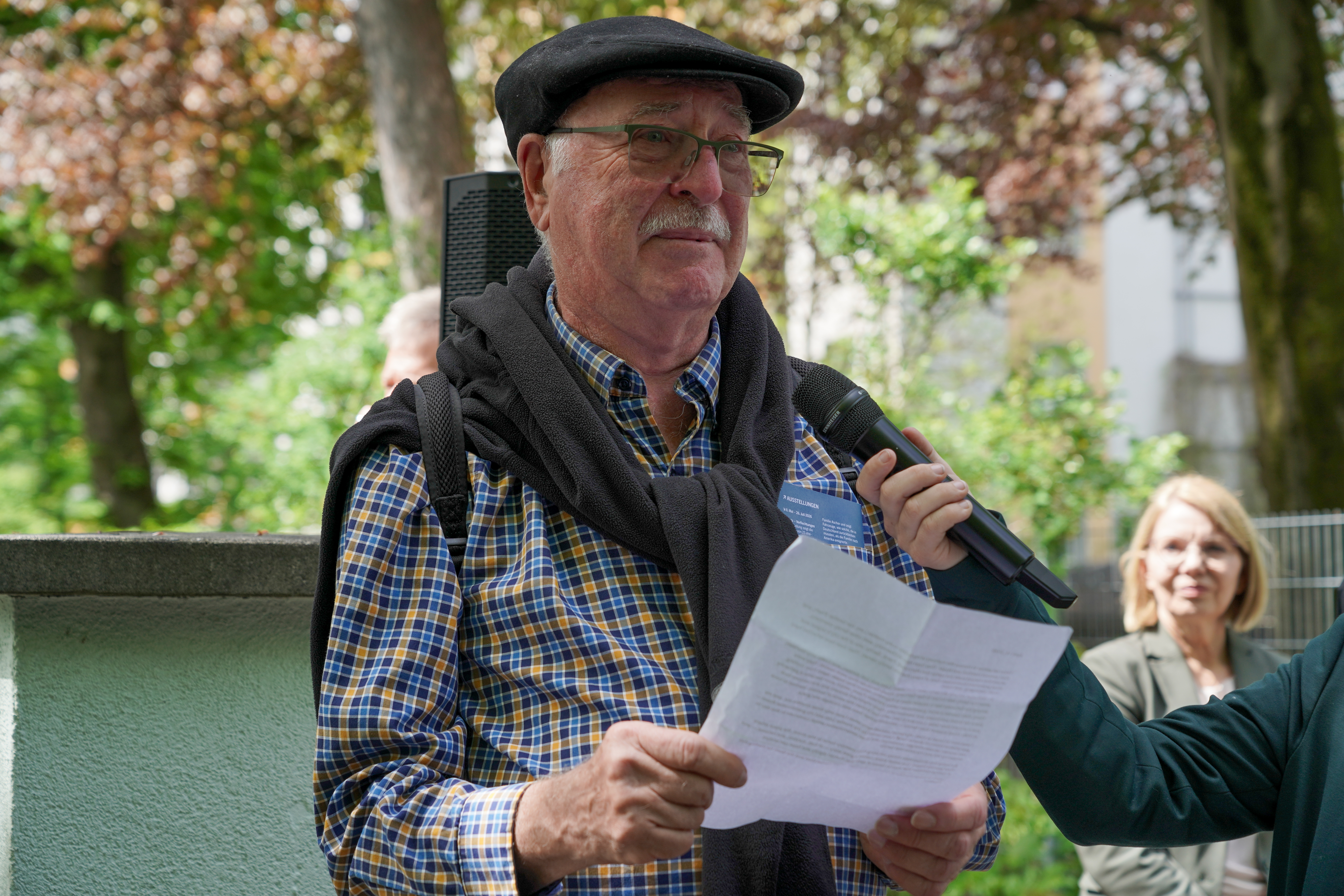
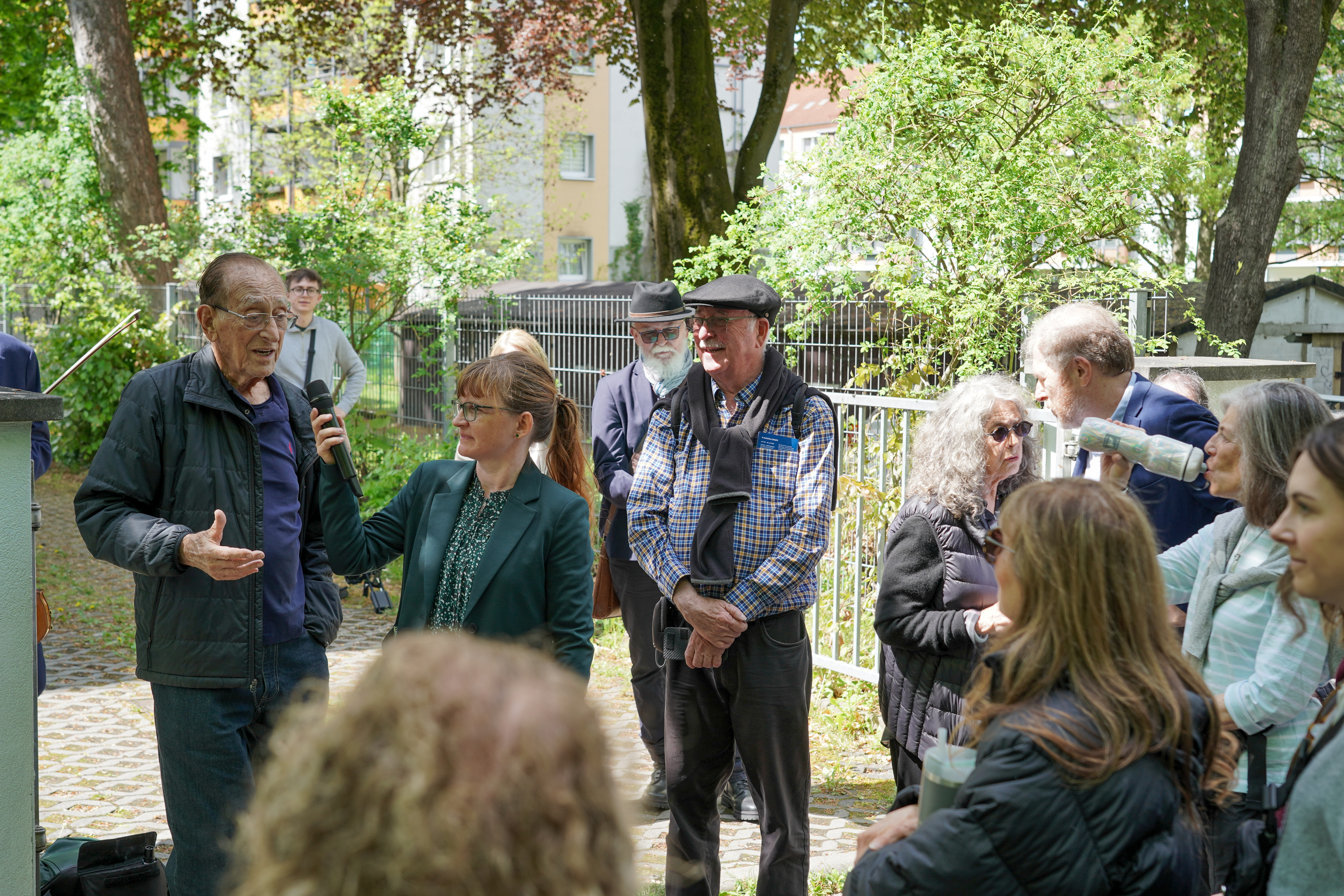
Photos of the laying of the Stumbling Stones
Life Path
Heinrich Frank was born as eldest son of the knitwear manufacturer Julius Frank, in Chemnitz. His mother, Katharina Mallison, raised seven children, including Heinrich’s sister, Irmgard Anna (known as Irmi).
Heinrich was among the many Jewish citizens who served in the First World War. He volunteered for front-line duty as early as September 1914 and was not demobilised until December 1918. Upon his return, he helped rebuild the Jewish Youth Association in Chemnitz, serving as its vice-chairman. He later became an active member of the local branch of the Reich Federation of Jewish Front-line Soldiers (Reichsbund jüdischer Frontsoldaten).
In February 1920, Heinrich was appointed an authorised signatory for the Felix Frank knitwear factory. By September 1921, the 32-year-old merchant had been elected to the board of the newly founded Marschel Frank Sachs Aktiengesellschaft.
On 30 May 1922, Heinrich married Rosa Frank, who was originally from Erfurt. The young couple lived at Katharinenstraße 2, and their two children, Leonore (known as Lore) and Erwin Konrad, were both born at the Chemnitz State Women’s Clinic.
The rise ot the NS-regime in 1933 brought profound changes for Heinrich. In March 1934, he was forced to “step down” as a director of Marschel Frank Sachs AG, though he remained a shareholder with one of the largest blocks of shares until 1937/38. During this difficult period, Heinrich also supported the “Chewra Kadischa”, the Jewish nursing, support, and burial society in Chemnitz. In March 1937, he was elected chairman, succeeding the merchant Salo Guttmann.
A few months later, Heinrich moved to Berlin with his wife and daughter, joining his son Erwin, who had already been attending the Private Jewish School of Dr Leonore Goldschmidt for eighteen months. During the November Pogrom of 1938, Heinrich was arrested in Berlin and deported to Sachsenhausen concentration camp. He was released on 23 December 1938. On 2 March 1939, Heinrich and his family were finally permitted to emigrate to Palestine. He settled in the city of Ramat Gan, where he opened a guesthouse and restaurant. By coincidence, his business was located in the immediate neighbourhood of Heinrich Guttmann’s residence. Uri Guttmann, Heinrich’s son, still lives in Ramat Gan today and will attend the opening of the “Threads” exhibition at the smac (State Museum of Archaeology Chemnitz).
Heinrich Frank passed away in Israel in May 1955. His widow, Rosa, moved to the United States of America in January 1958, where their children had already been living for several years. She died in New York in October 1982. Their daughter, Leonore Schoenbeck, twice widowed, lived near New York; her son from her first marriage, Daniel Feldmann, has lived with his family in Australia since 1971. Erwin Frank married Ursula Brauer in 1954, and the couple have two children, Ronald and Diane.
Erwin Frank maintained a connection with his home community for many years. In 1997, he and his sister returned to Chemnitz for the 6th Jewish Culture Days.
Author: Dr Jürgen Nitsche