

Stolpersteine in Chemnitz
Else Schendel
Else Schendel

Else Schendel, née Wolffheim
Born: 18 February 1888
Died: 09 May 1942
Location:
Hohe Straße 9
Stolperstein laid on:
6 May 2026
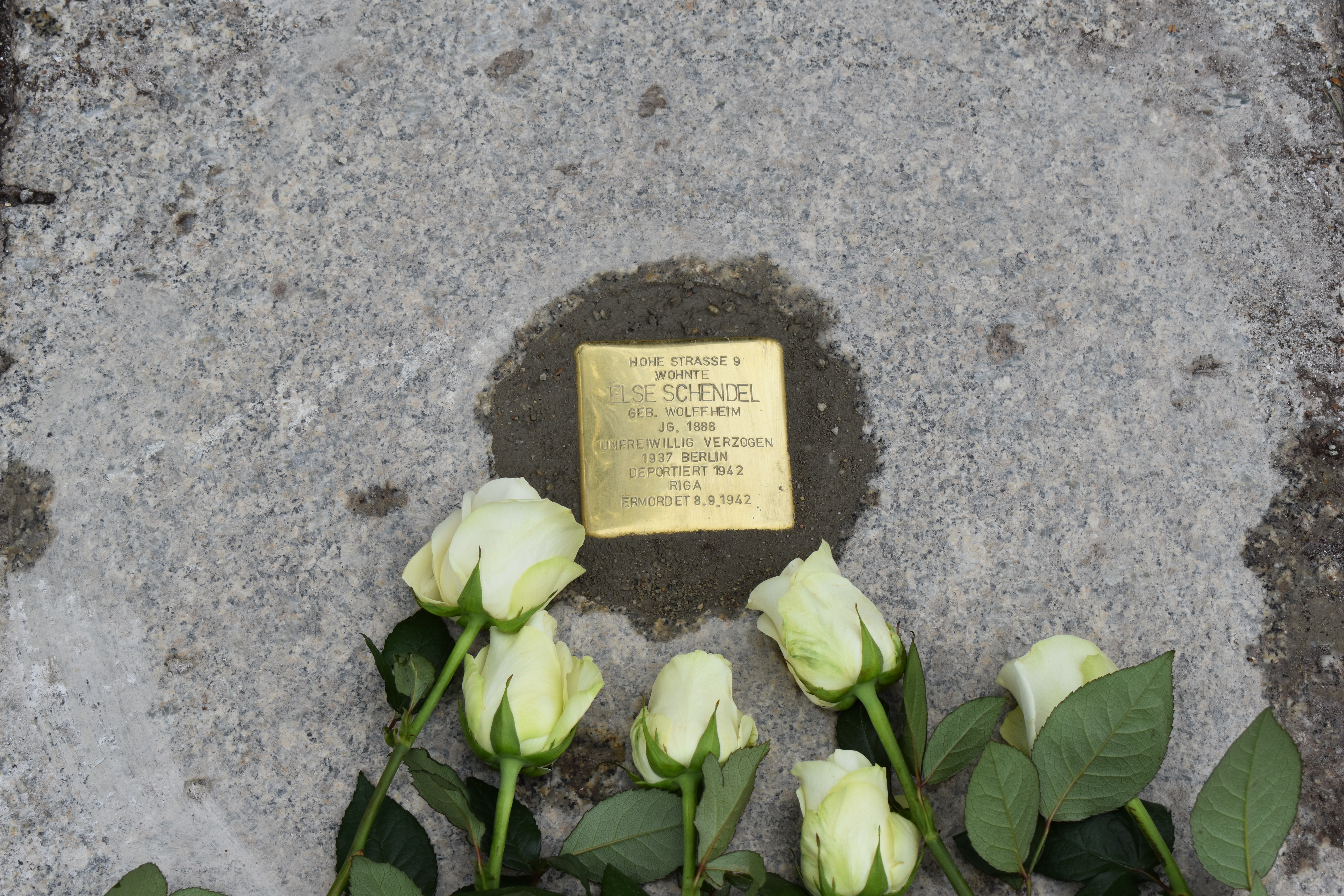
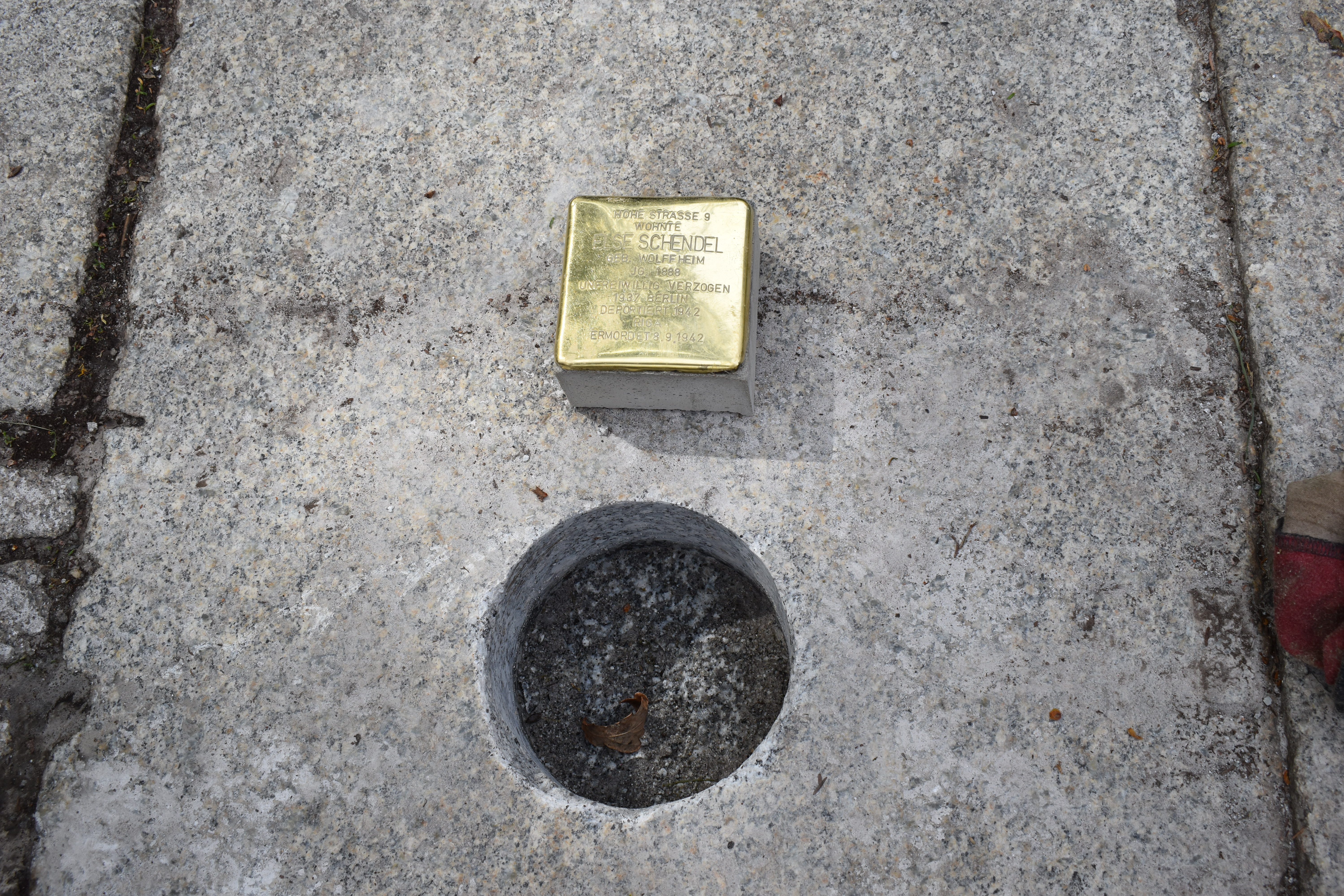
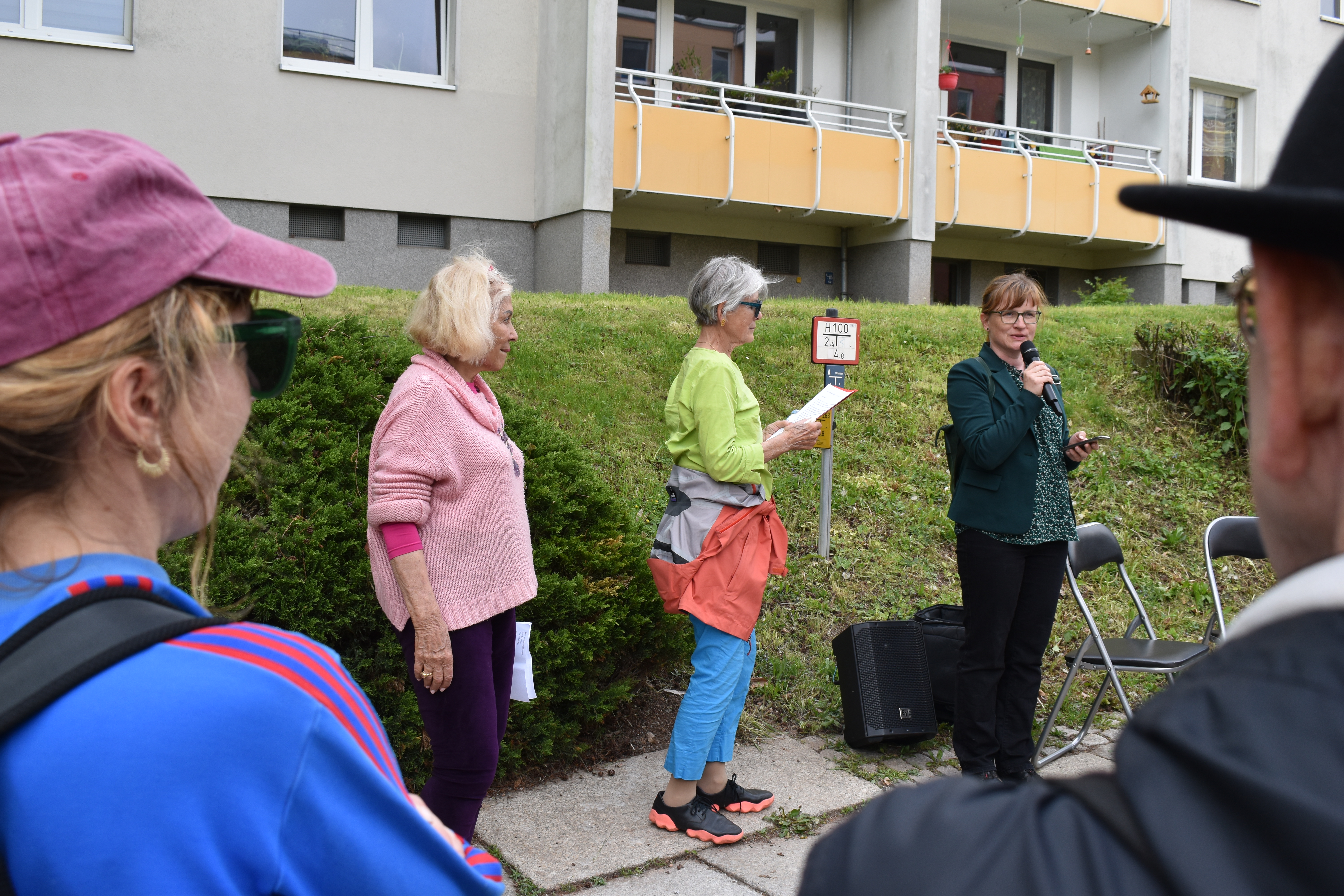
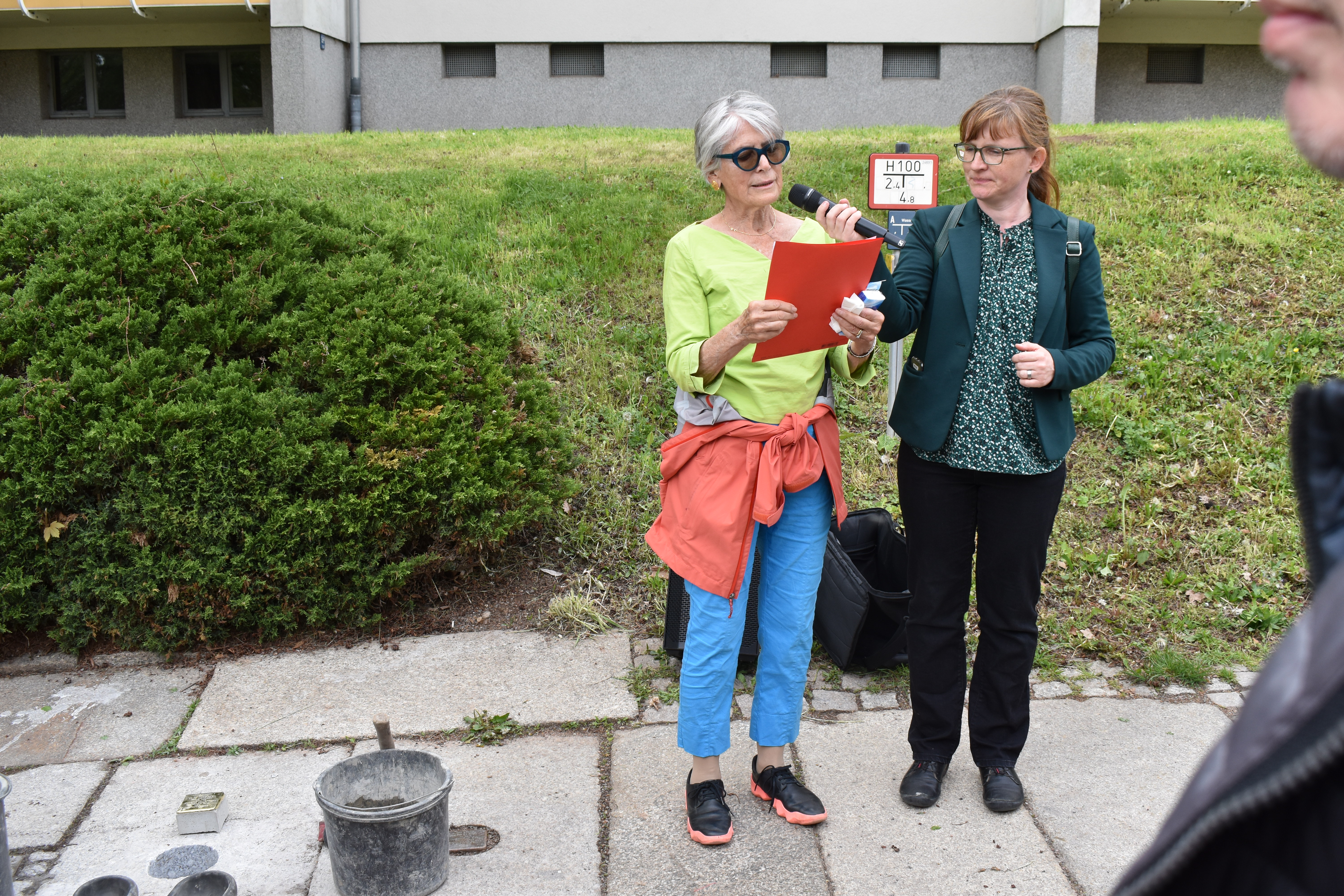
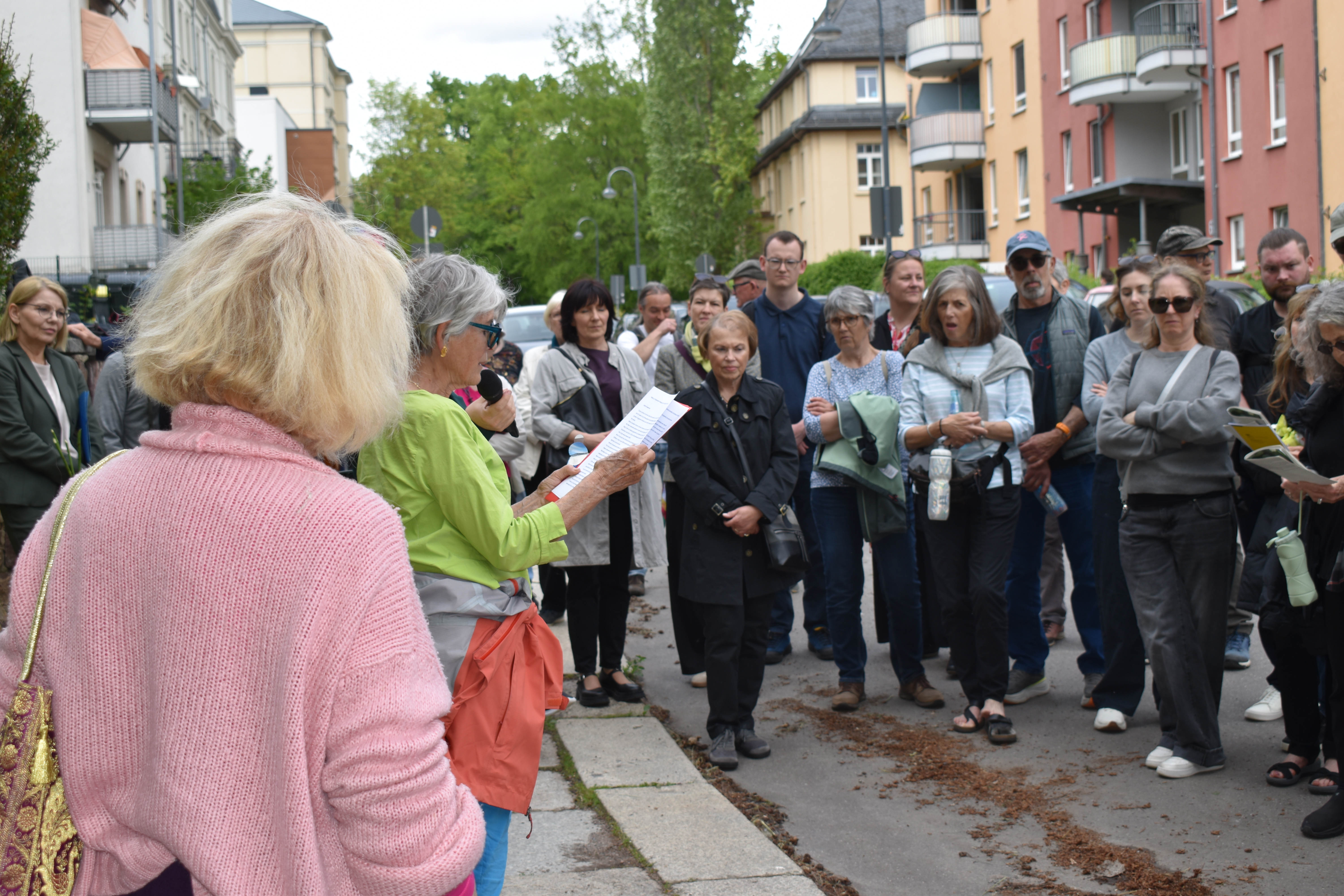
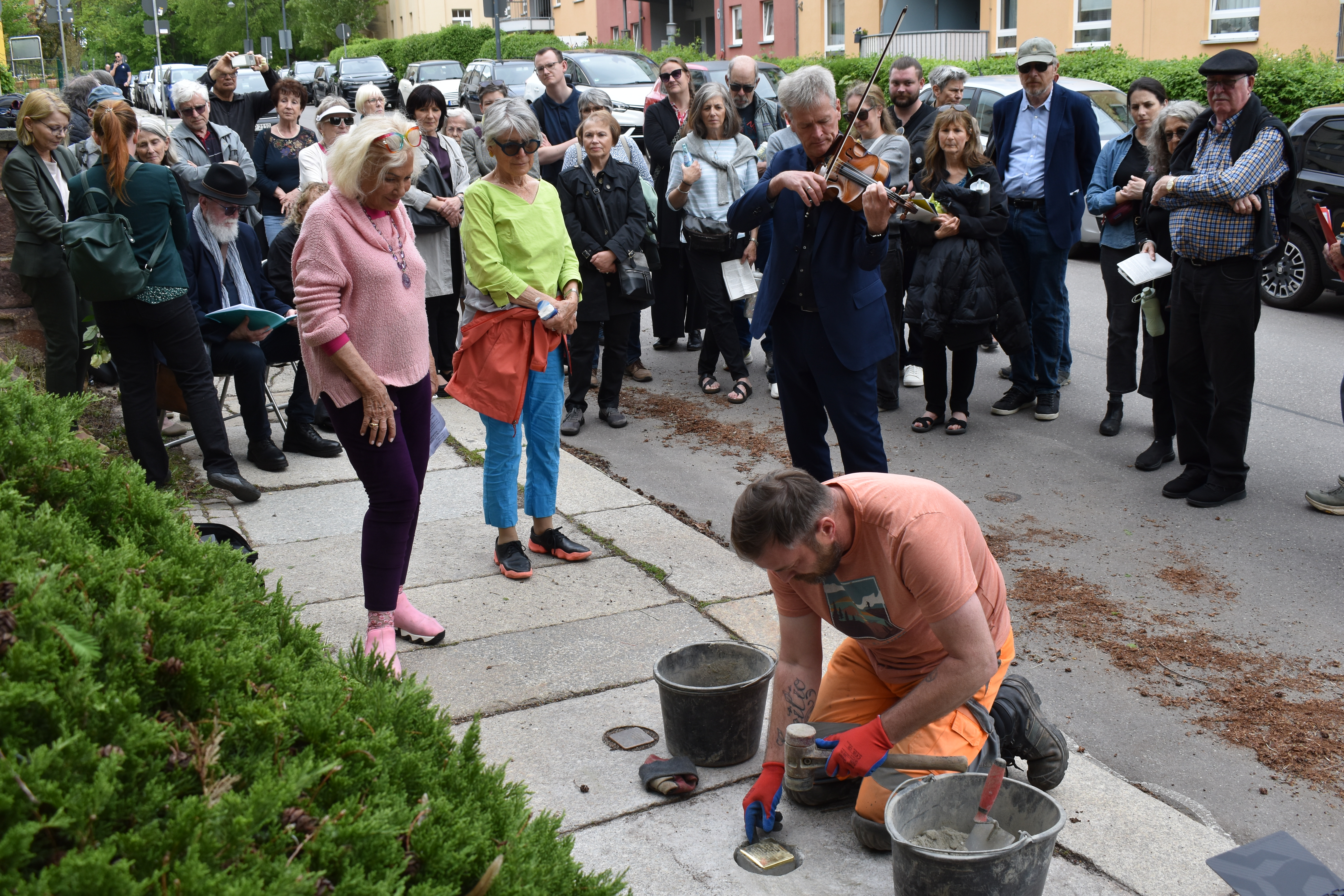
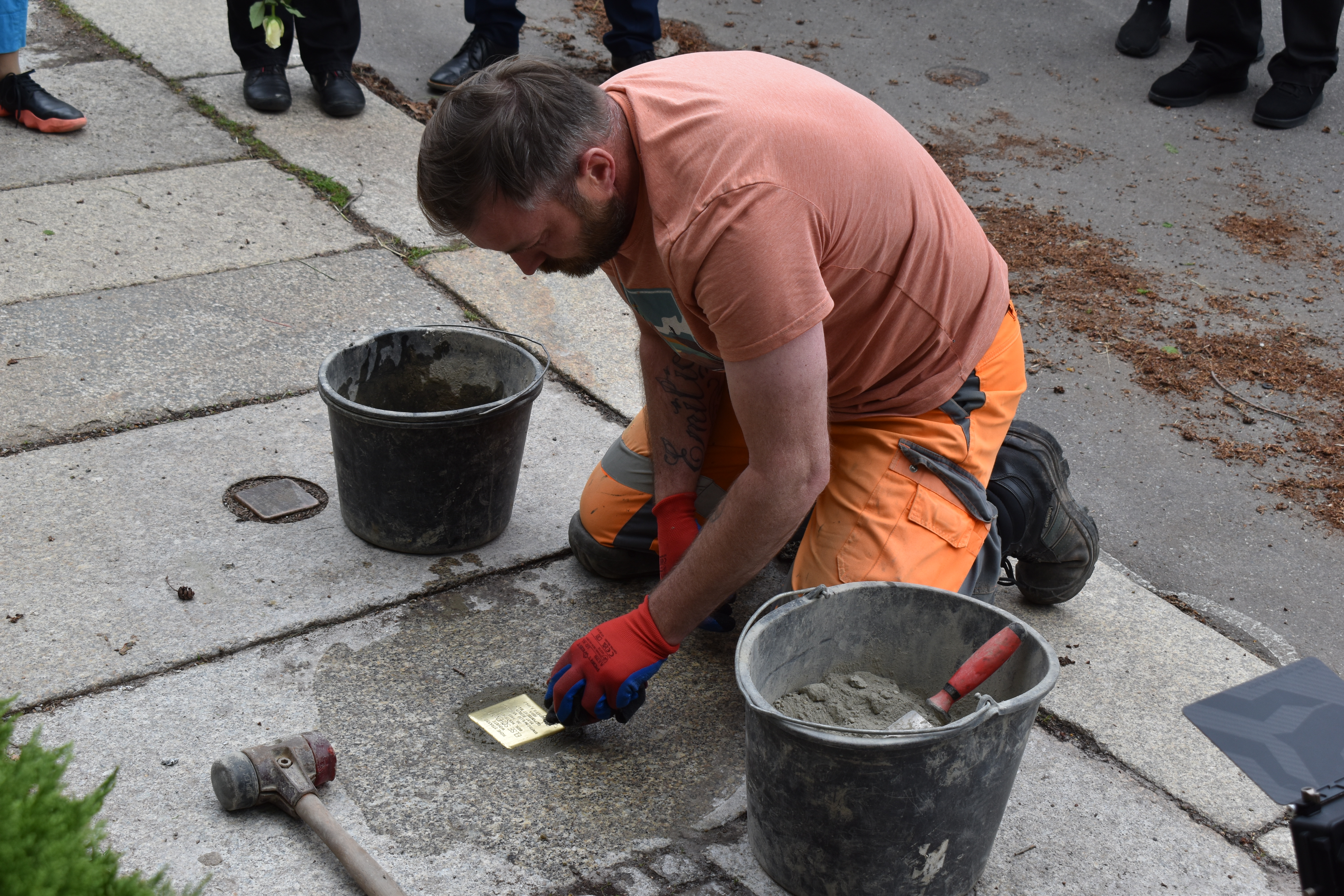
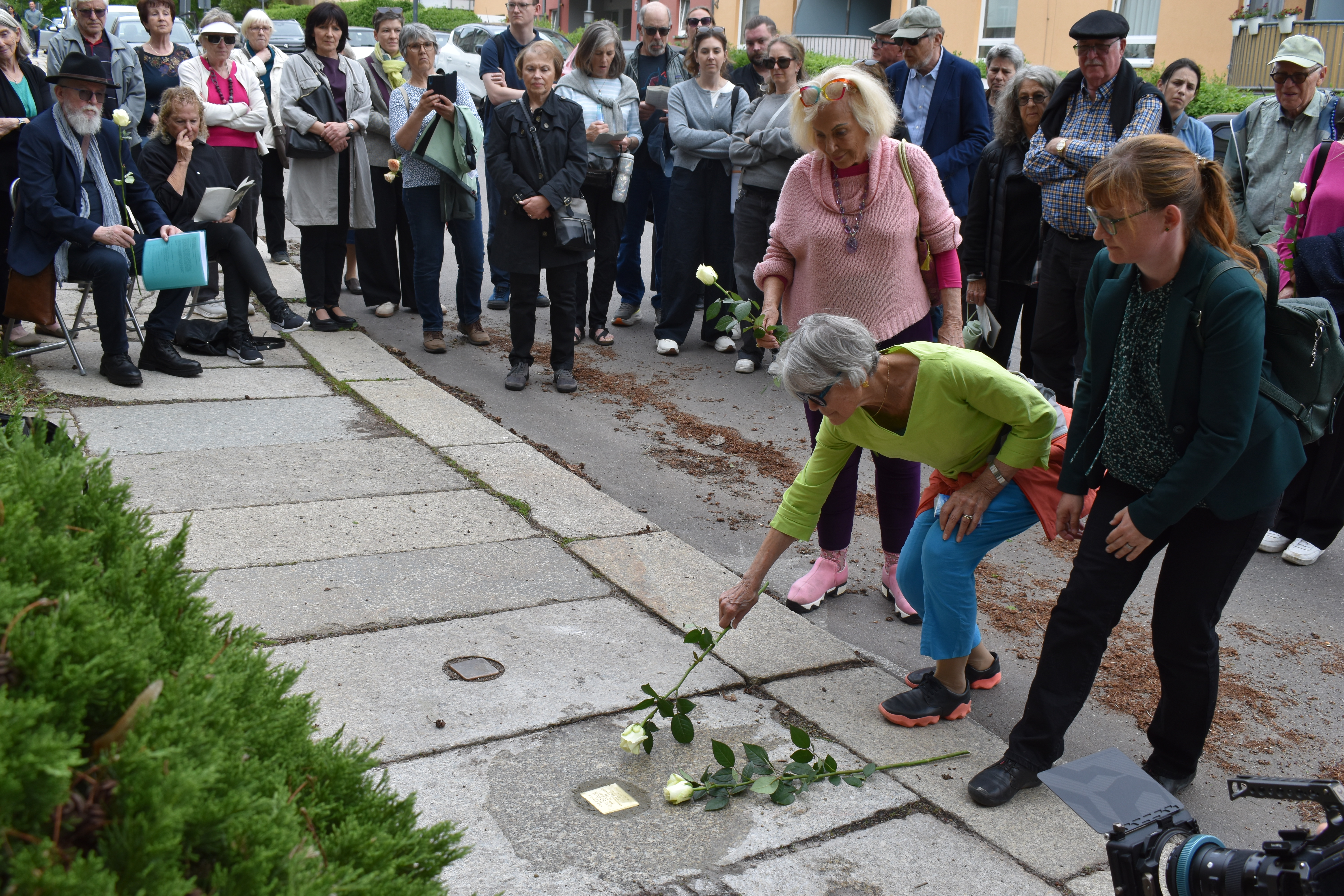
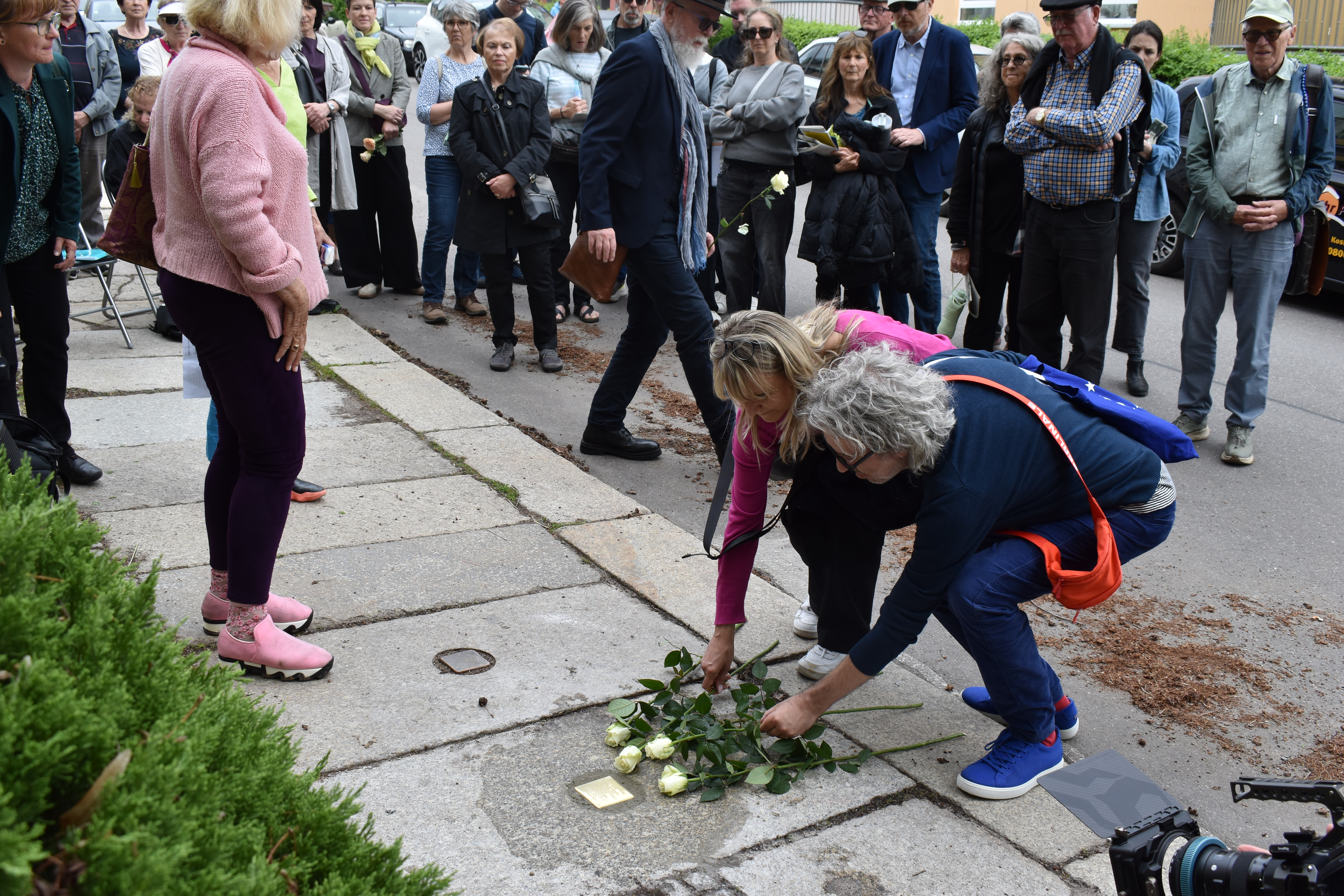
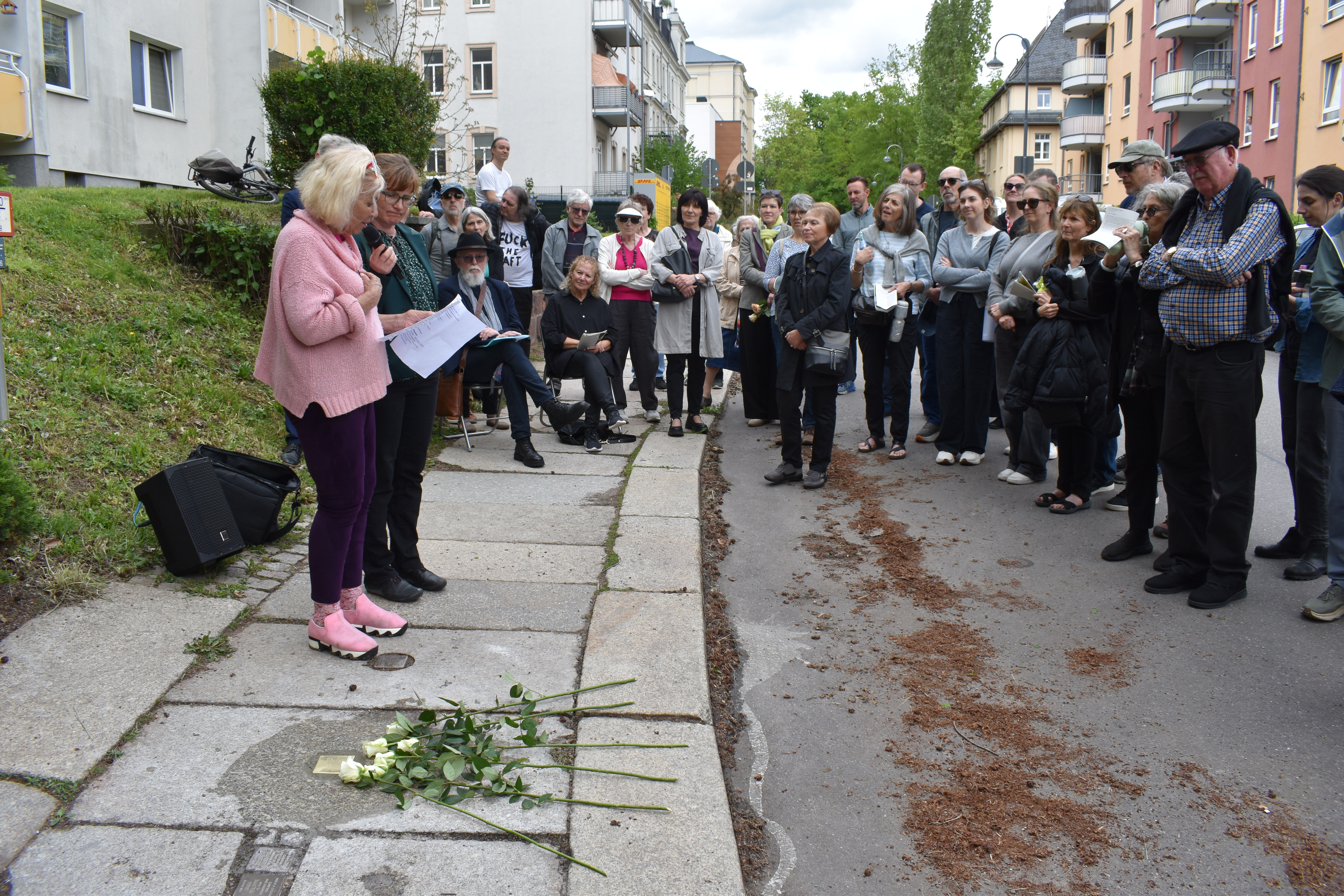
Photos of the laying of the Stumbling Stones
Life Path
When Else Wolffheim married the merchant Hermann Schendel in Berlin on 9 June 1913, he had already been living in Chemnitz for three years.
What is known about the daughter of the merchant Hermann Wolf Wolffheim and his, already on 30 March 1888 deceased, wife Mindel Wilhelmine Pfeiffer? Else’s mother died just six weeks after her birth. Two years later, Regina Landsberg took on the role of the deceased mother.
Hermann Schendel, who came from the former district of Gnesen, had opened a men’s and boys’ clothing shop at Lange Straße 22 in Chemnitz on 5 March 1910. By the end of 1919, this multi-storey commercial building had also come into his possession. Initially, he was assisted by his sister Bertha, who, however, died in Chemnitz as early as the spring of 1912.
The couple had two daughters: Gerda and Margit Ursula. The family lived for a time at Stollberger Straße 35 before finding a suitable flat at Hohe Straße 9 around 1934. The family thus lived in the building which housed the Jewish Community Office until 1938/39.
Hermann Schendel was not only a successful businessman but also a committed community official. For a time, he served as vice-chairman of the councils of the Jewish Religious Community in Chemnitz. In addition, he supported the cemetery commission and the committee for the establishment of a Jewish school association.
On 9 March 1935, Hermann Schendel celebrated his company’s 25th anniversary. His advertising was particularly effective: “If you really want a cheap suit, just pop round to Schendel’s!” He particularly promoted his “bespoke department”, which was headed by a leading expert and employed “only experienced tailors and workers”. Only in this way was he able to mitigate the effects of the Jewish boycott of April 1933 to some extent.
Hermann Schendel died on 24 March 1936 in Chemnitz and was buried in the Jewish cemetery in the Altendorf district. His widow sold the business premises in the autumn of 1939. She had previously closed the business. In July 1938, it had been struck off the Chemnitz commercial register.
Else Schendel subsequently moved to Berlin-Charlottenburg, where her daughter Margit Ursula had been living since June 1937. Until then, Margit had run a school for physical education in Chemnitz. She had organised dance performances at the Makkabi Sports Club since March 1937.
On 5 September 1942, Else Schendel was deported to the Riga ghetto on the 19th East Transport, together with 800 other people. Three days later, she was murdered. After 1945, her surviving daughters had an inscription added to their father’s gravestone:
“In memory of Else Schendel, born Wolffheim, deported to Auschwitz on 9 May 1942.”
This is most likely a transposed date.
Author: Dr Jürgen Nitsche