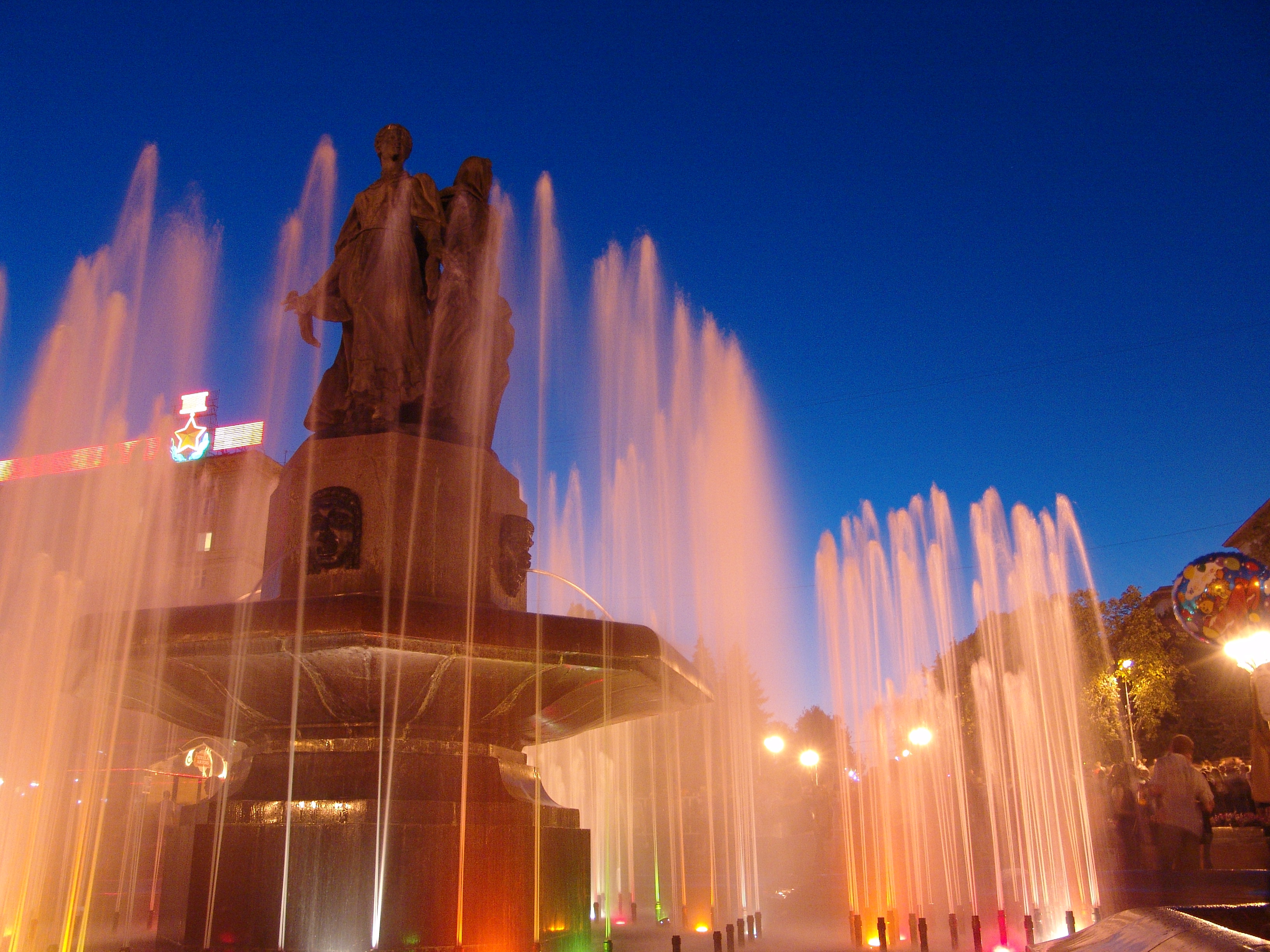

Volgograd (Russia)
Twin town since 1988

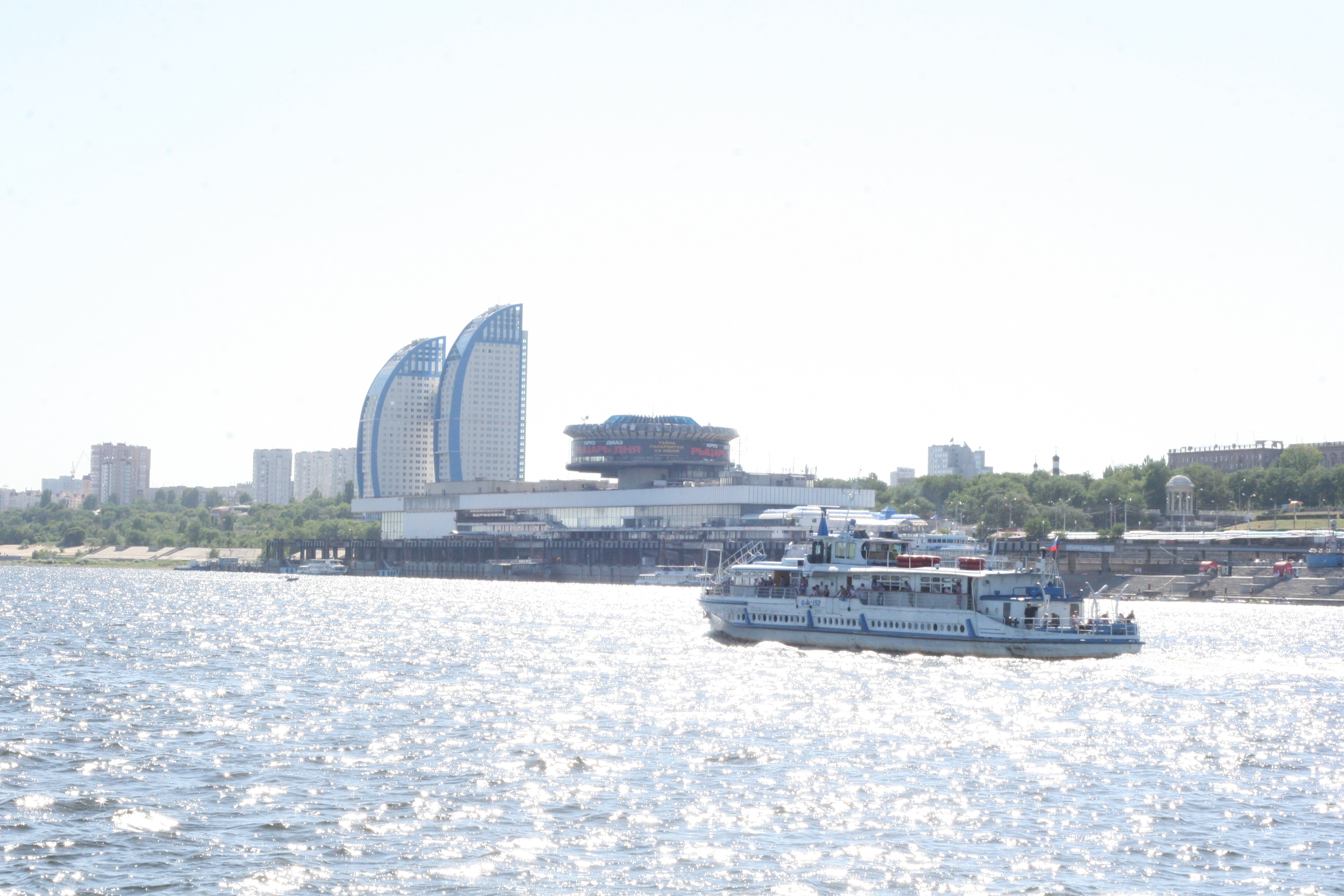
Volgograd is located 1,075 km south-east of Moscow on the right bank of the Volga, around 400 km north of where the river flows into the Caspian Sea. The city stretches up to 10 kilometres wide and over 100 kilometres along the banks of the Volga.
The city's chequered history is reflected in a special way in its various names. It was called Tsaritsyn until 1925 and then Stalingrad until 1961. From August 1942 to February 1943, one of the largest and most costly battles of the Second World War took place here, which became the turning point in the course of the war.
Today, Volgograd is an up-and-coming metropolis and an important industrial centre in southern Russia. Important branches of industry include metallurgy, mechanical engineering and vehicle construction as well as the chemical and oil industries. There is also a large hydroelectric power station to the north of the city. With a length of 7.1 kilometres, the bridge over the Volga is one of the longest river bridges in Europe.
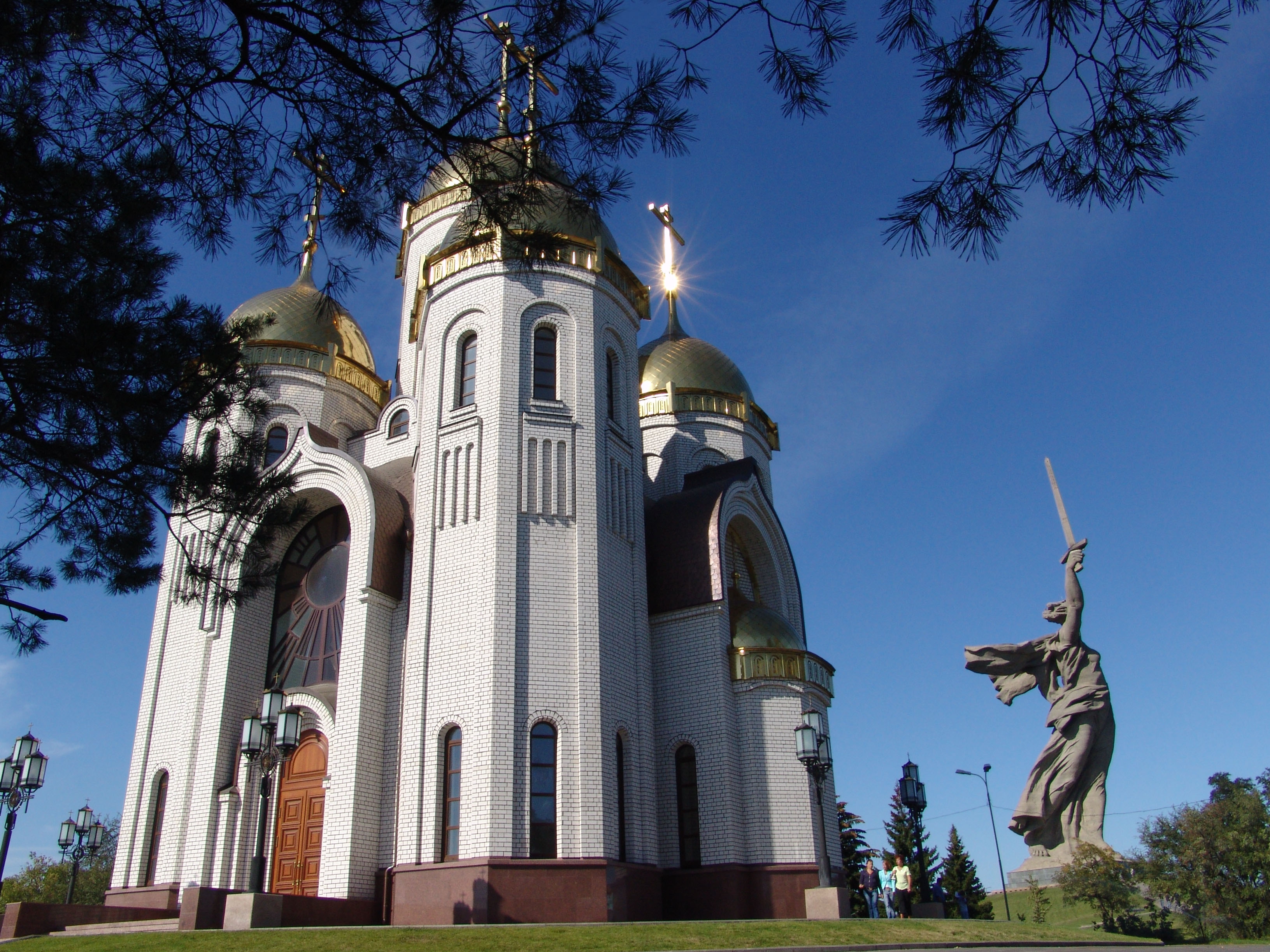
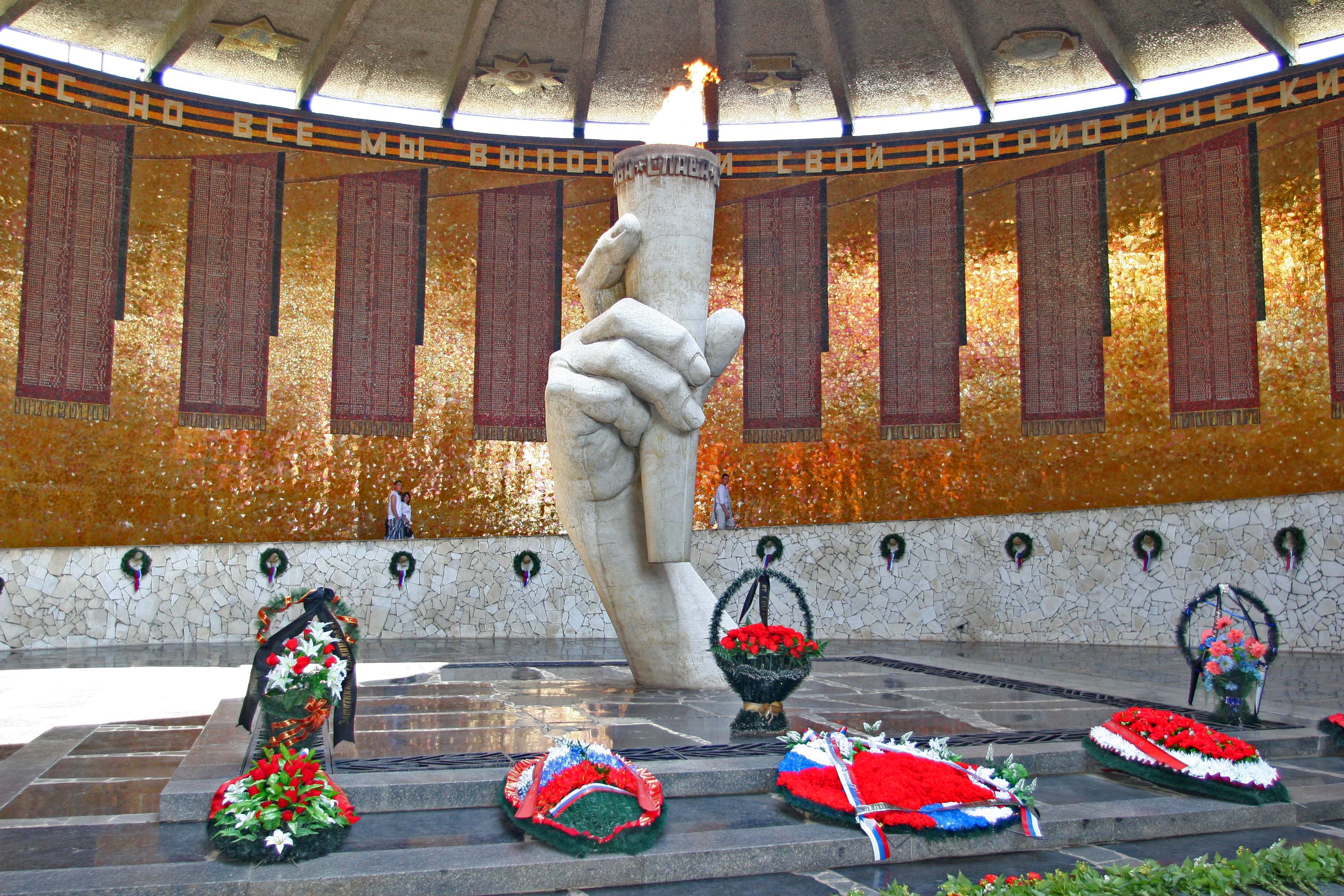
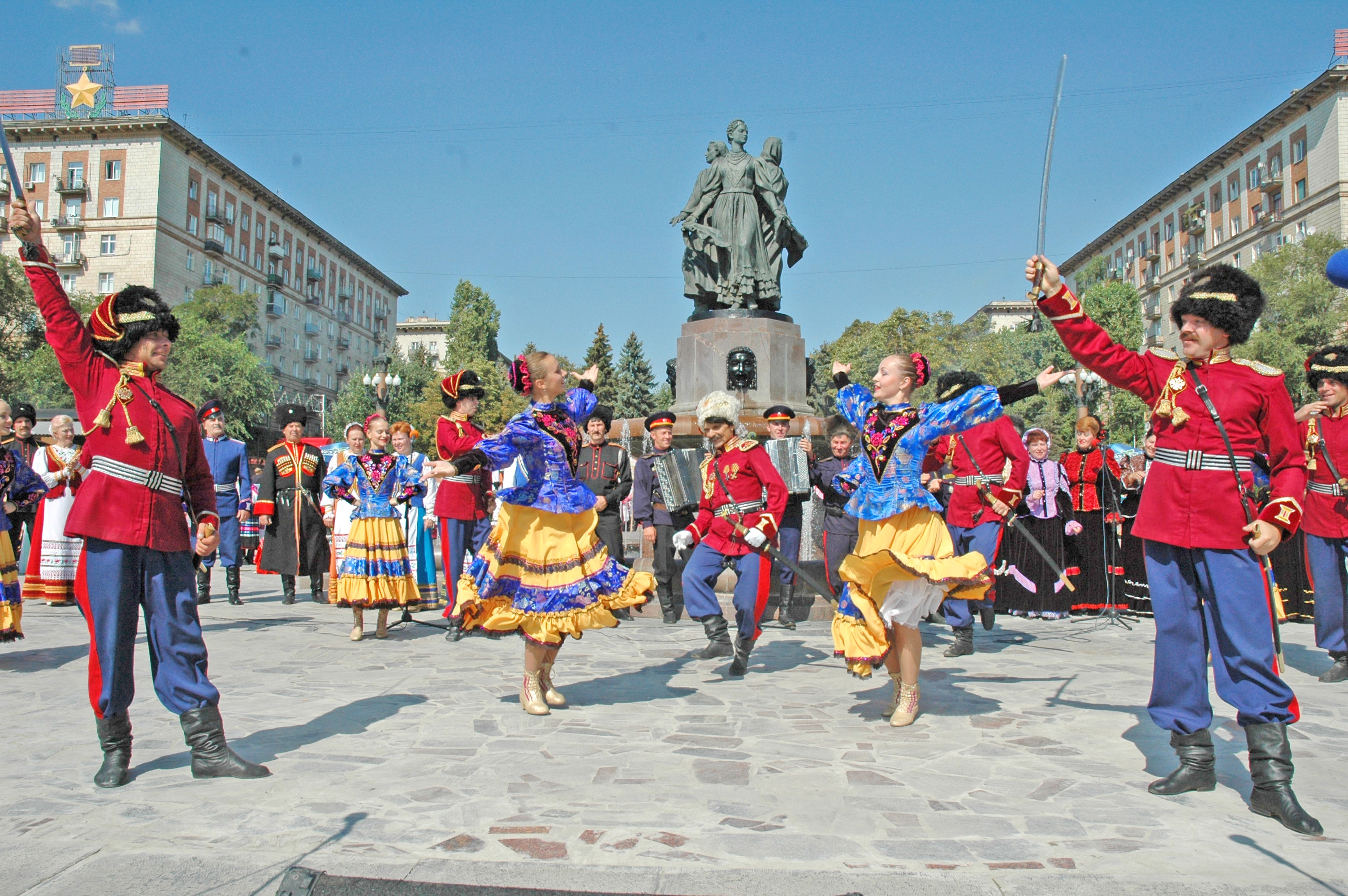
The city's cultural life is diverse. Probably the most interesting museum is the Panorama Museum of the Battle of Stalingrad. The memorial to the heroes of the Battle of Stalingrad on Mamayev Hill is gigantic. The enormous statue of Mother Homeland, which is the largest free-standing statue in Europe at 52 metres high, is world-famous.
The active co-operation between Chemnitz and Volgograd encompassed almost all areas of social life. Contacts in sport, culture and between municipal departments were particularly intensive. In 2008, Chemnitz University of Technology and Volgograd State University signed a cooperation agreement.
Contacts have been suspended since the Russian war of aggression against Ukraine in February 2022.

Population: | 1.1 million |
Area: | 565 km² |
Website: |
Promotion of activities
The partnership between Chemnitz and the twelve partner cities is brought to life by projects organised by associations, initiatives, institutions and citizens. The City of Chemnitz supports this exchange with an active funding policy >>more