

Stolpersteine in Chemnitz
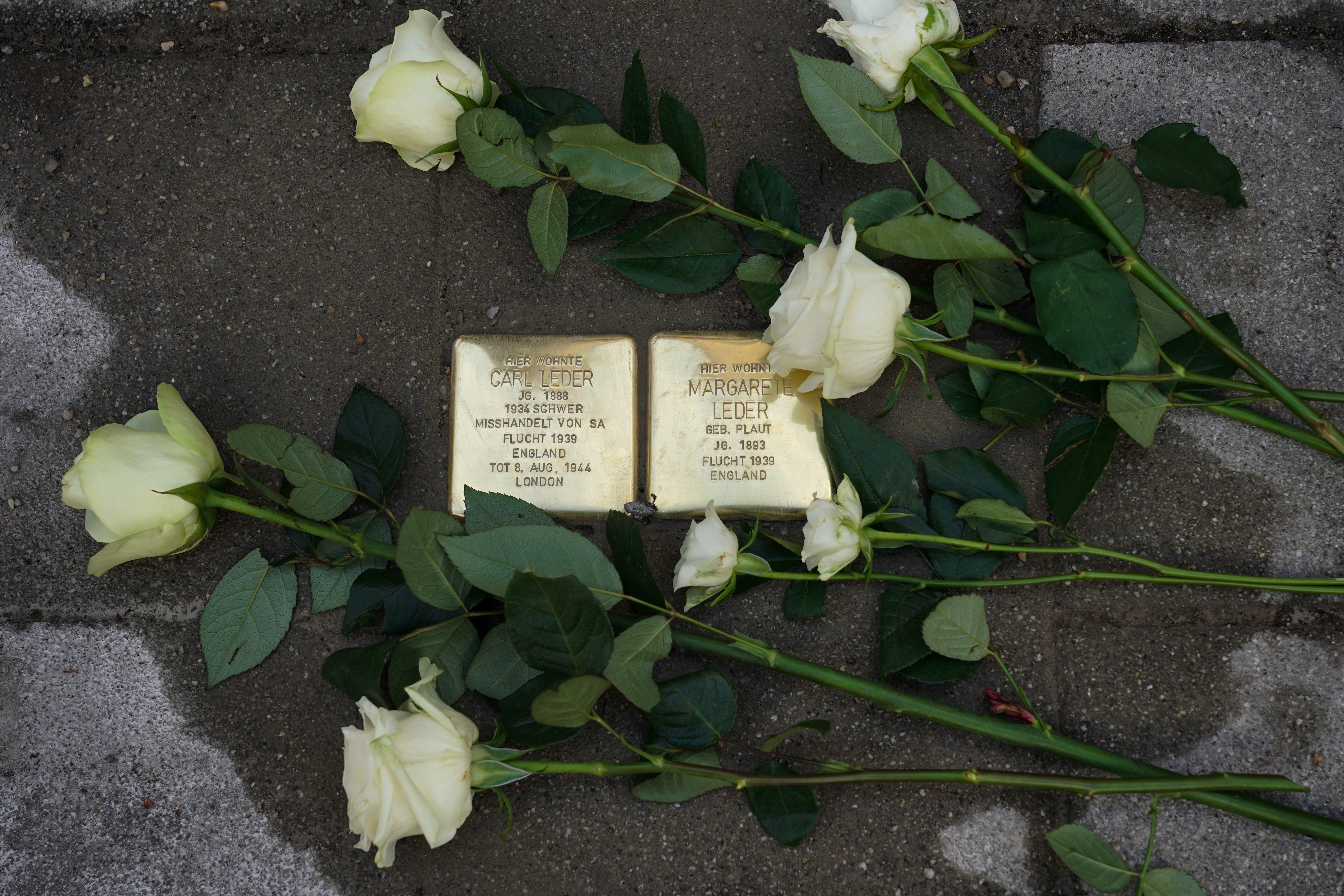
Carl and Margarete Leder
Carl and Margarete Leder

Carl Leder
Born: 23 August 1888
Died: 8 August 1944
Margarete Leder, née Plaut
Born: 15 January 1893
Died: 11 May 1982
Location:
Agricolastrasse 63 (formerly 11)
Stolperstein laid on:
6 May 2026
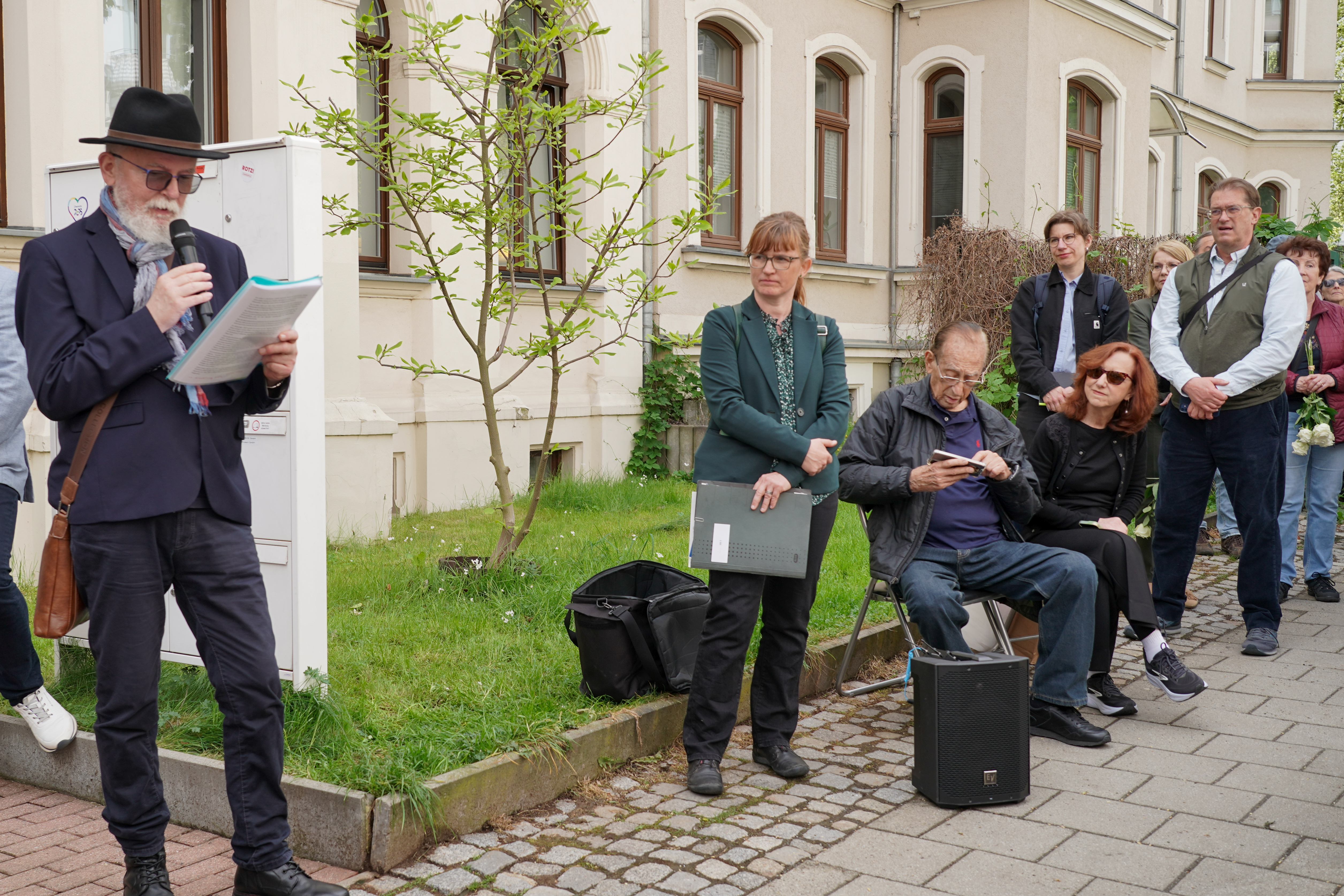
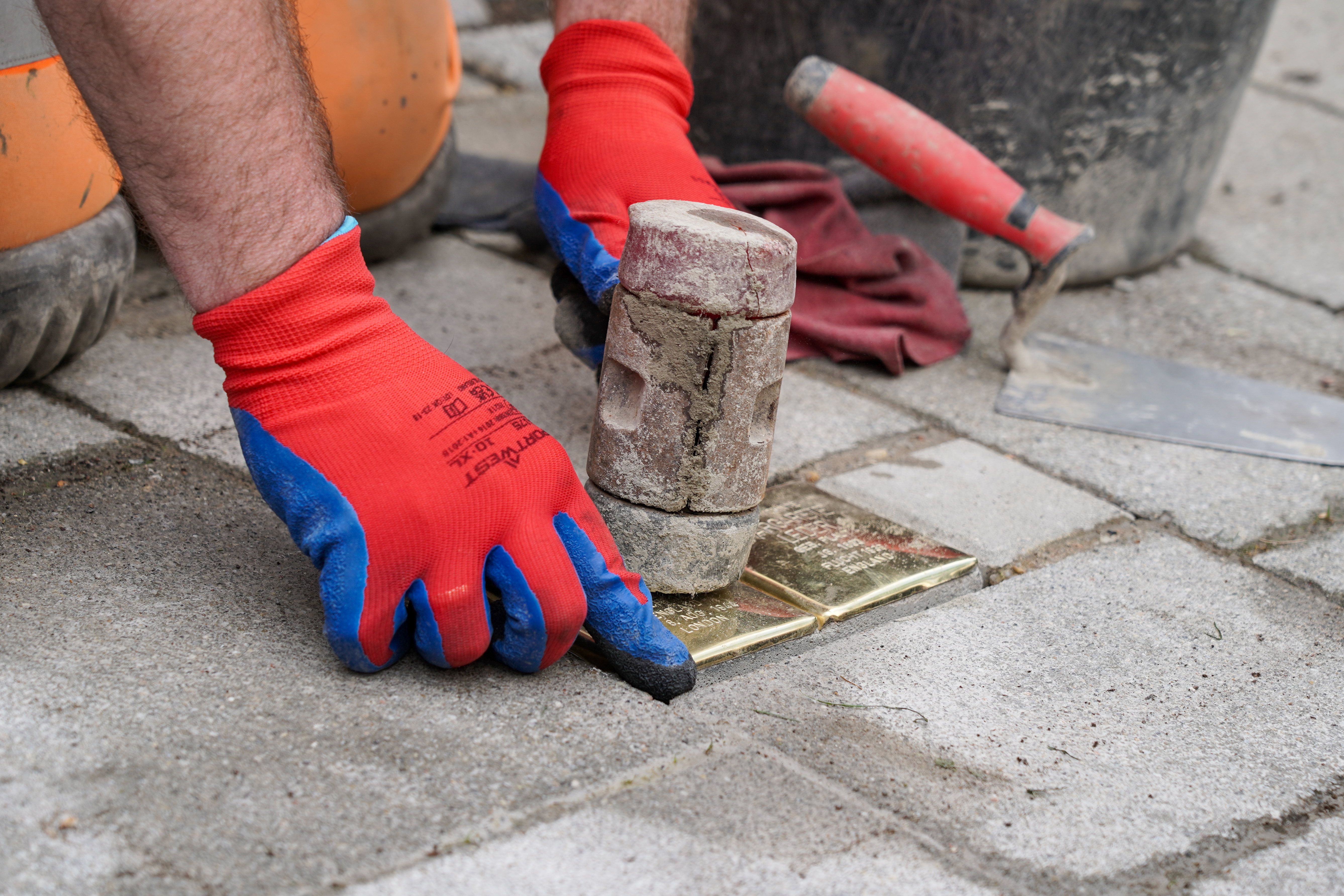
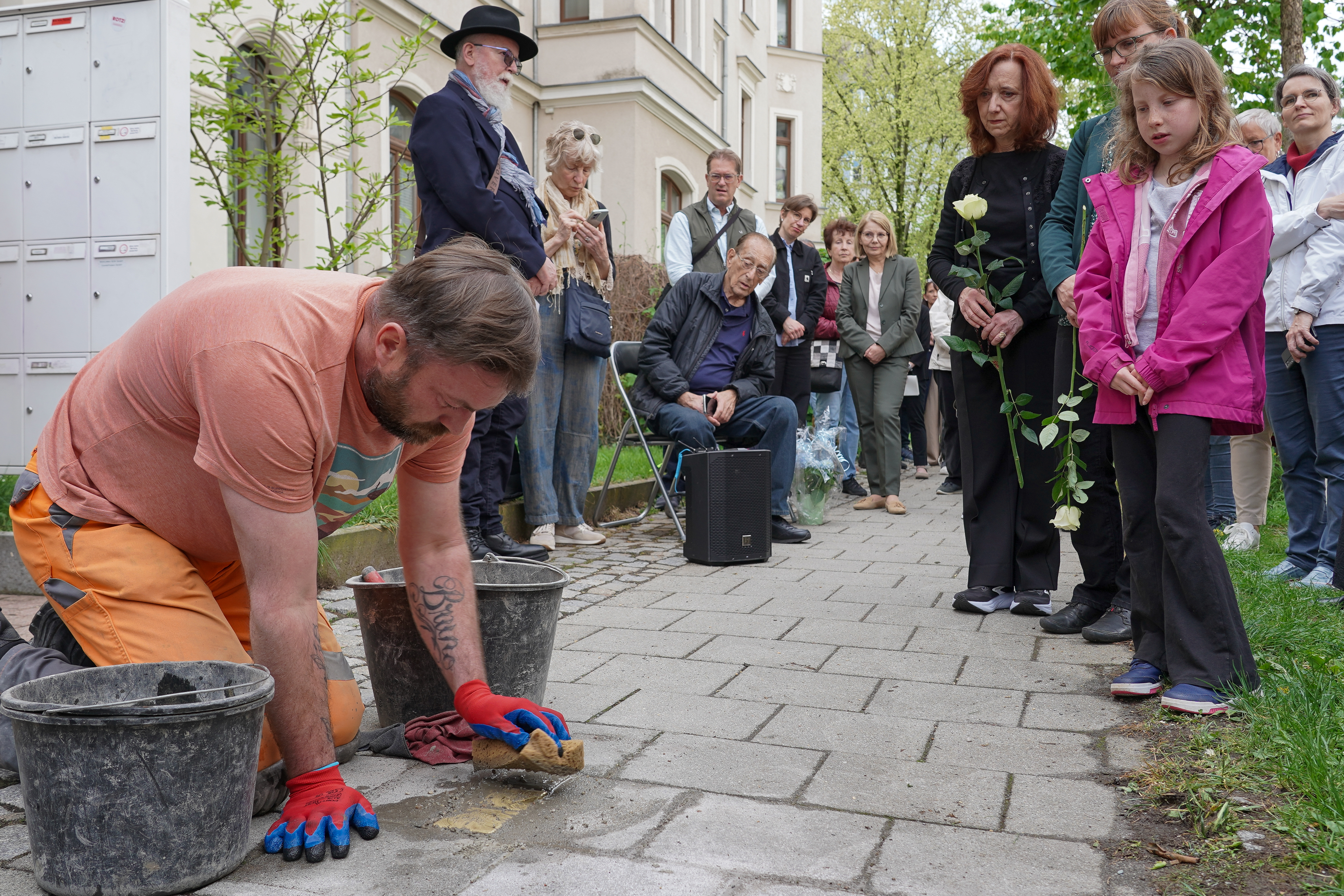
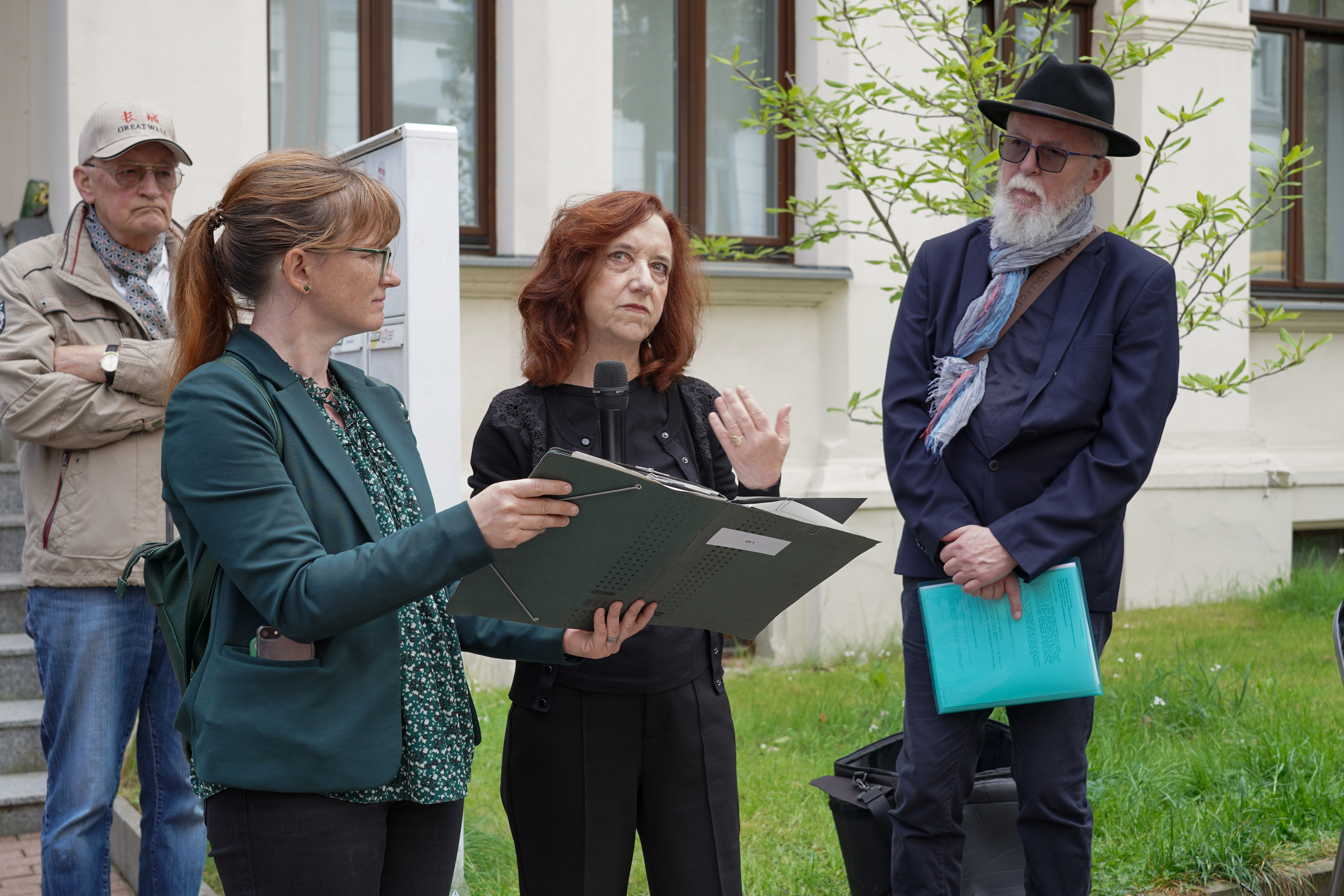
Photos of the laying of the Stumbling Stones
Life Path
Carl Leder, born in Berlin on 23 August 1888, held Romanian citizenship. His parents, Wilhelm Leder and Rosa Seiffert, came from the South-Eastern European kingdom and had left the country due to increasing persecution of Jews. They built a new life for themselves in Chemnitz. They owned a “glove-making business” in the Reitbahn district. Carl Leder, their only son, initially worked as a travelling salesman for the Siegfried Peretz hosiery factory in Altchemnitz, which had been founded in 1887.
For Carl Leder and his uncle Leon Leder, who was almost 60 years old – Stephan Hermlin’s grandfather –, the First World War meant internment in the Holzminden prisoner-of-war camp. The reason for this was that Romania formed an alliance with the Entente Powers at the end of August 1916 and had entered the war against the Central Powers. Together with Salomon Schwartz, another relative, he had been held in the camp since 14 February 1917 as a Romanian citizen.
Carl Leder returned unharmed to Chemnitz on 9 June 1917 and became plant manager at the Siegfried Peretz General Partnership (OHG). In the spring of 1919, he became one of two authorised signatories. His new professional start was accompanied by personal happiness. On 16 November 1919, he got engaged in Nuremberg to Margarete Plaut, who came from Nordhausen and was affectionately known to everyone as Gretl. They married in Chemnitz on 23 March 1920.
When the Siegfried Peretz OHG was converted into a public limited company at the end of 1921, Carl Leder was elected to the board alongside Albert Peretz, the son of the company’s founder. This professional advancement allowed the spouses not only a life of prosperity but also the acquisition of works of art. A few years later, the “Director”, as he was known, had his portrait taken by the renowned Chemnitz photographer Joseph Rosner, in a manner befitting his status.
When his father died in March 1924, Carl Leder arranged for the construction of an imposing family burial plot at the Jewish Cemetery in the Altendorf district. In December 1936, his mother was also buried there “in all quietness”.
The spouses had one daughter. Lee Wilma was born on 24 July 1925. She grew up in a middle-class home where she wanted for nothing. A housekeeper was in charge of the household, and a nanny looked after her.
The National Socialist regime's seizure of power meant the loss of rights and persecution for the family. As early as 1934, Carl Leder was beaten up by six SA men, which was likely also the cause of a serious illness in February 1935.
In December 1937, Carl Leder was forced out of Siegfried Peretz AG when it was converted back into a general partnership. He became the first victim of the “Aryanisation” of the company that had been initiated. The “retired director” realised that there was no longer any place for him and his wife in the NS-state.
Carl Leder made preparations for “emigration”. At the end of 1938, he initially told the police headquarters that his destination was Palestine.
He paid the compulsory Reich Emigration Tax and the Jewish Property Tax. The forced sale of the house to a merchant in Chemnitz was entered in the land register. In April 1939, Carl Leder was finally permitted to leave the country. The planned onward journey to the USA was delayed, so he remained in England for the time being. Gretl Leder was only able to follow her husband four months later due to illness. The spouses initially lived in Burgess Hill (Sussex).
Carl and Gretl Leder, who until 1933 had been accustomed to a life of prosperity and security, were forced to live in London “in abject poverty”. The couple earned their living by making curlers at home. When the Second World War broke out, as “enemy foreigners” they were initially spared internment. Later, Carl Leder was interned for several months at Camp Hutchinson in Douglas (Isle of Man). As a result of the hardships, he died on 8 August 1944 in the town of Edmonton, north of London.
Gretl Leder moved to New York in July 1947 to live with her sister Hedwig Bonn. Fifteen years later, she moved to Los Angeles to live with her daughter Lee. Gretl Leder died in that city on 11 May 1982 and was buried at Mount Sinai Memorial Park.
Author: Dr Jürgen Nitsche
