

Stolpersteine in Chemnitz
Ilse Ruth and Eva Irene Lachmann
Ilse Ruth and Eva Irene Lachmann

Ilse Ruth Lachmann
Born: 31 July 1913
Died: 4 February 1998
Eva Irene Lachmann
Born: 25 January 1917
Died: 25 May 2005
Location:
Brückenstraße 6
Stolpersteim laid on:
6 May 2026
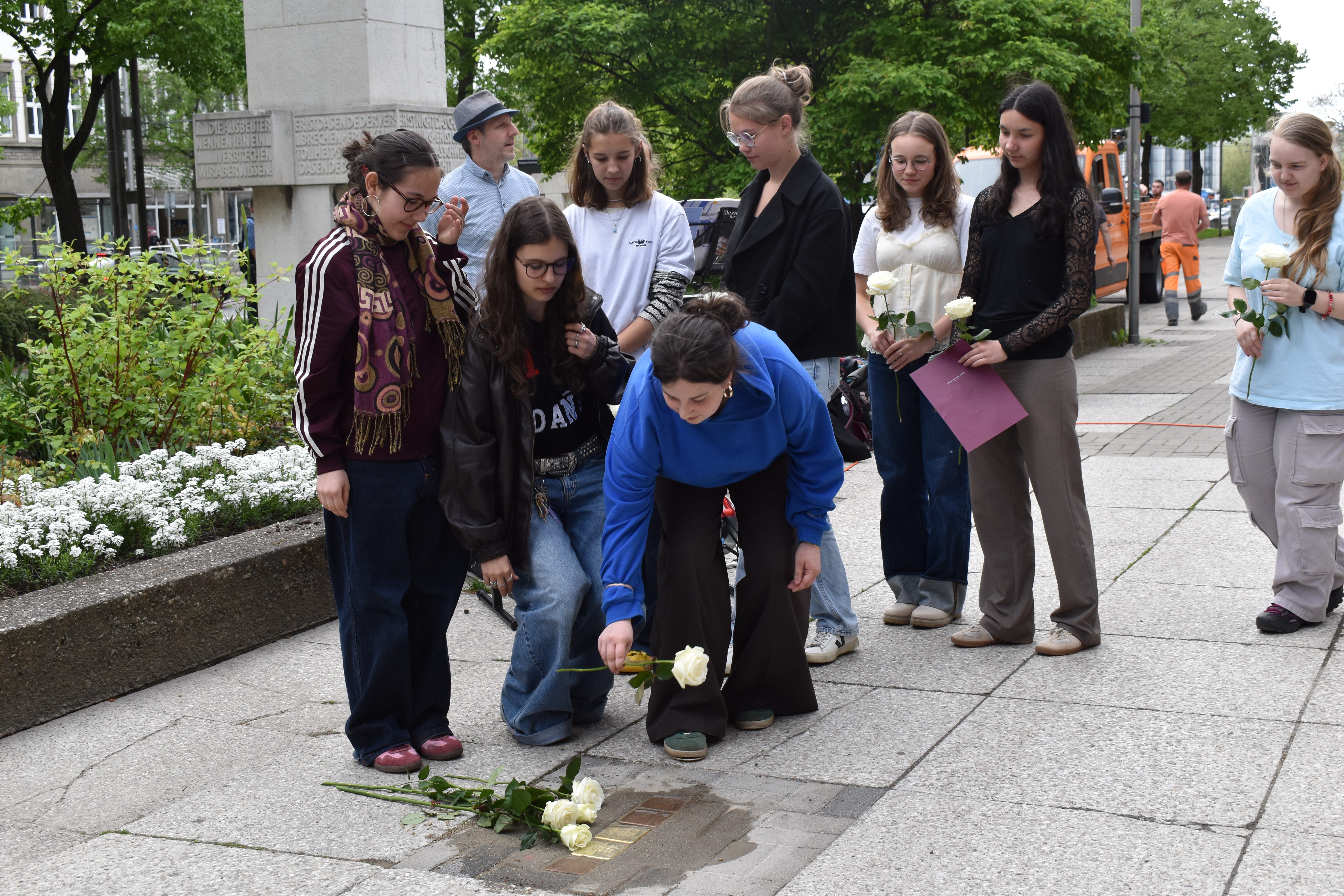
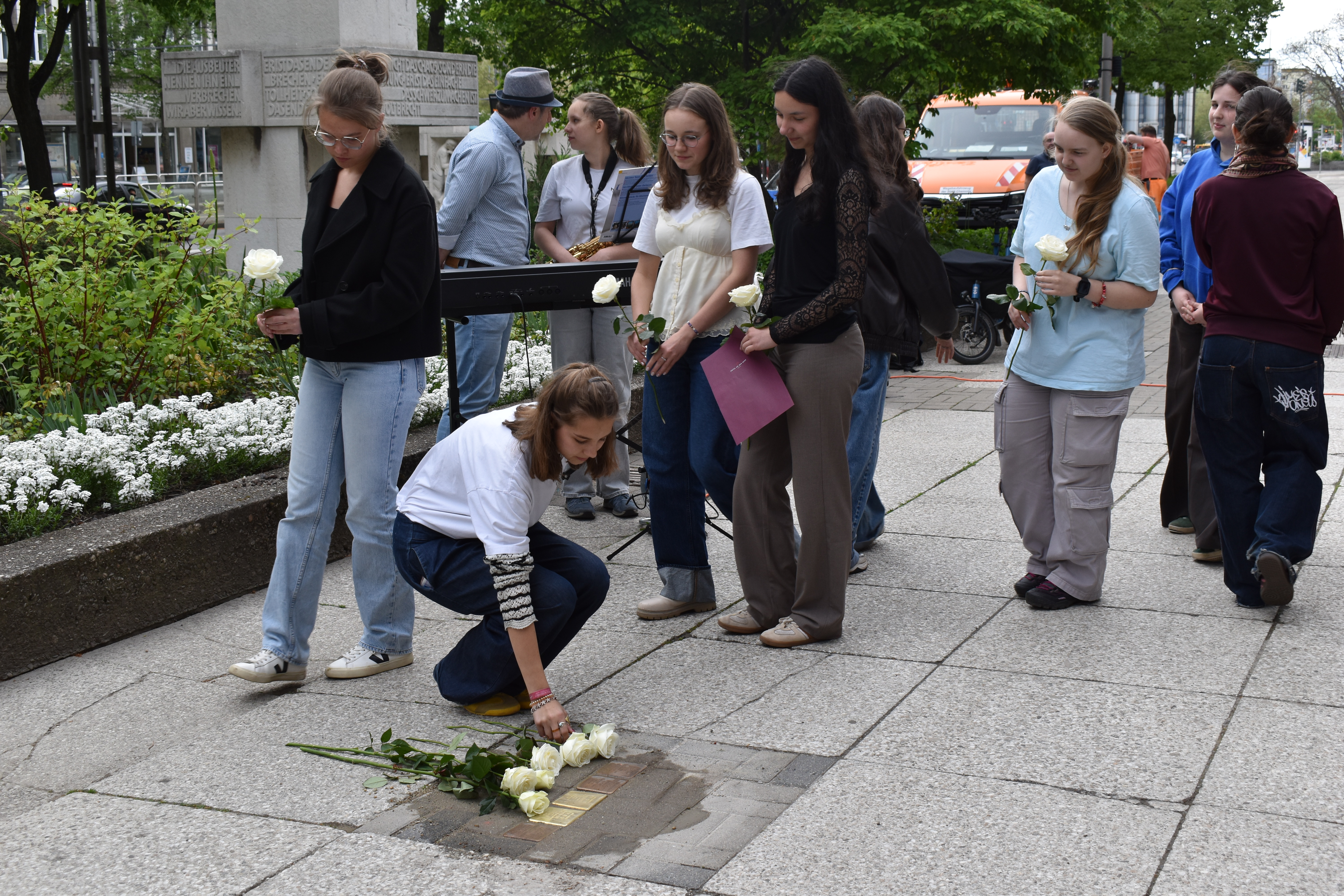
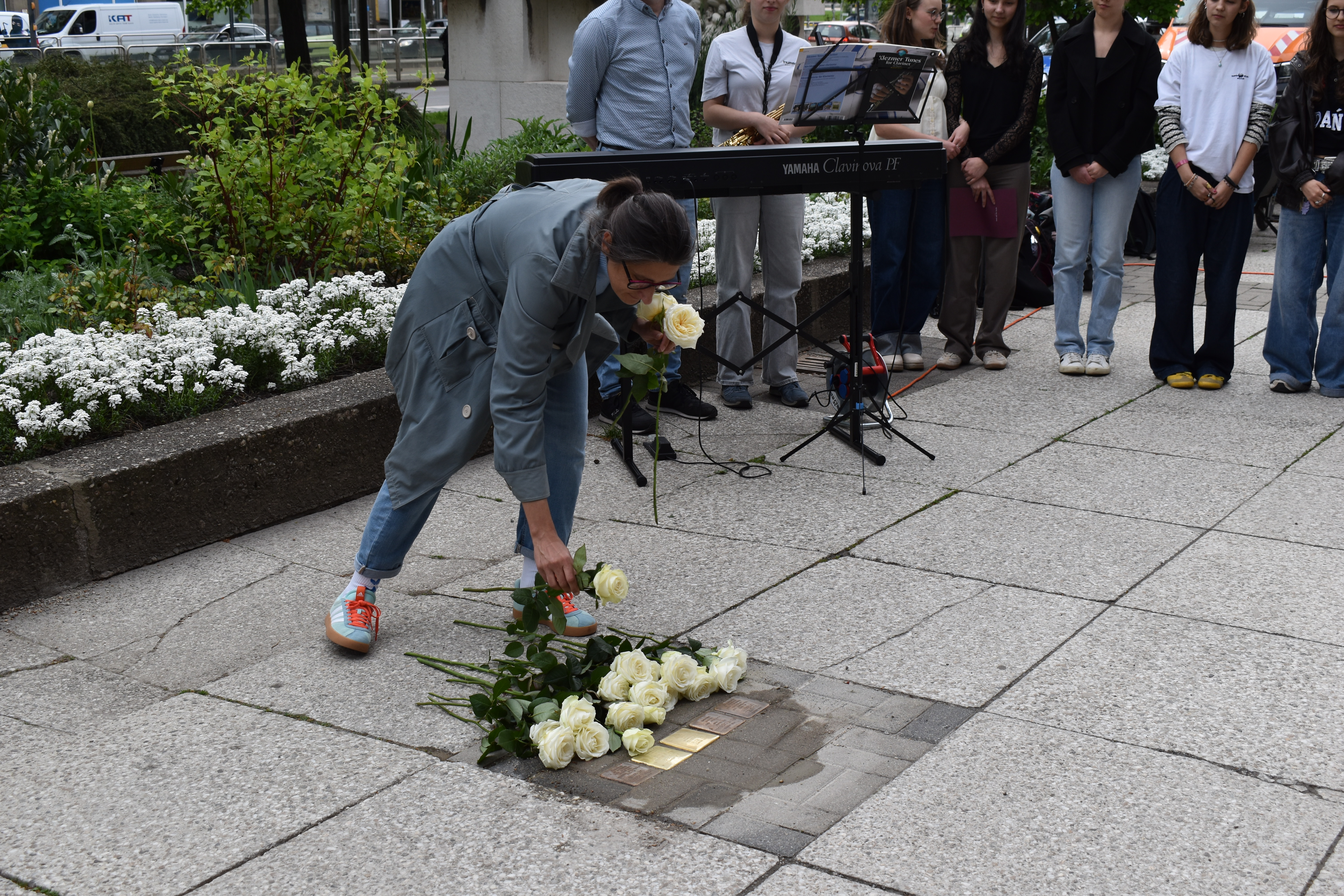
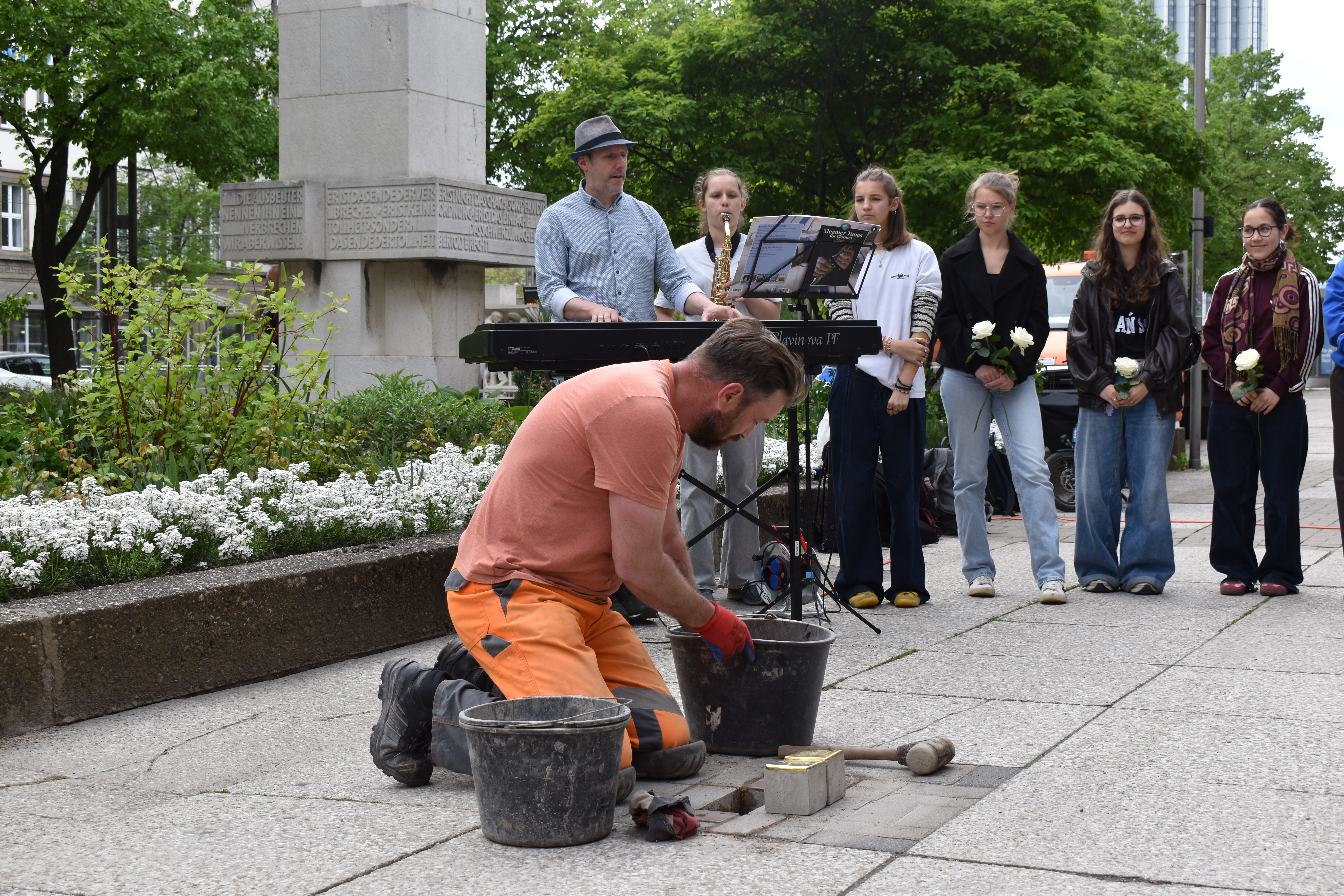
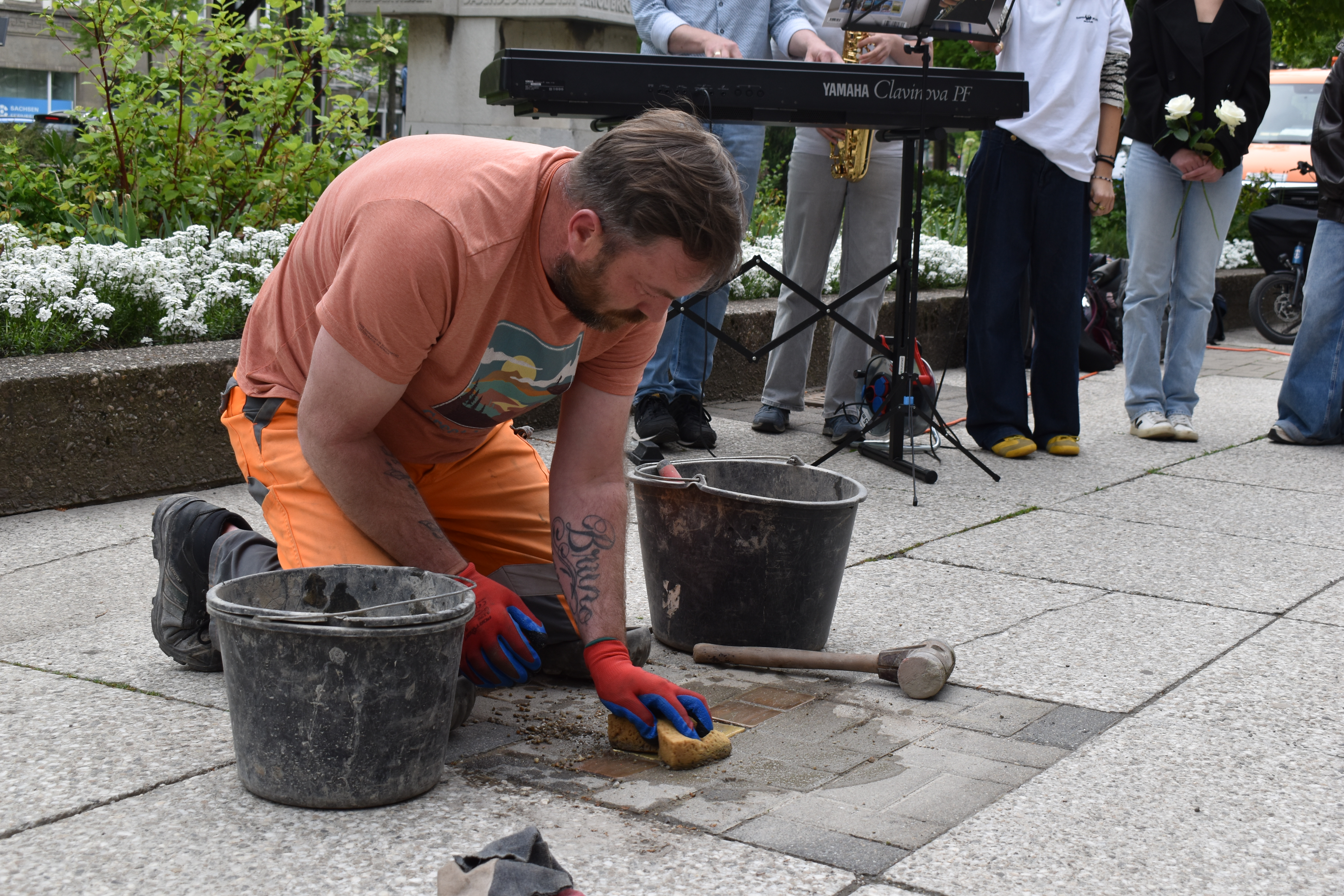
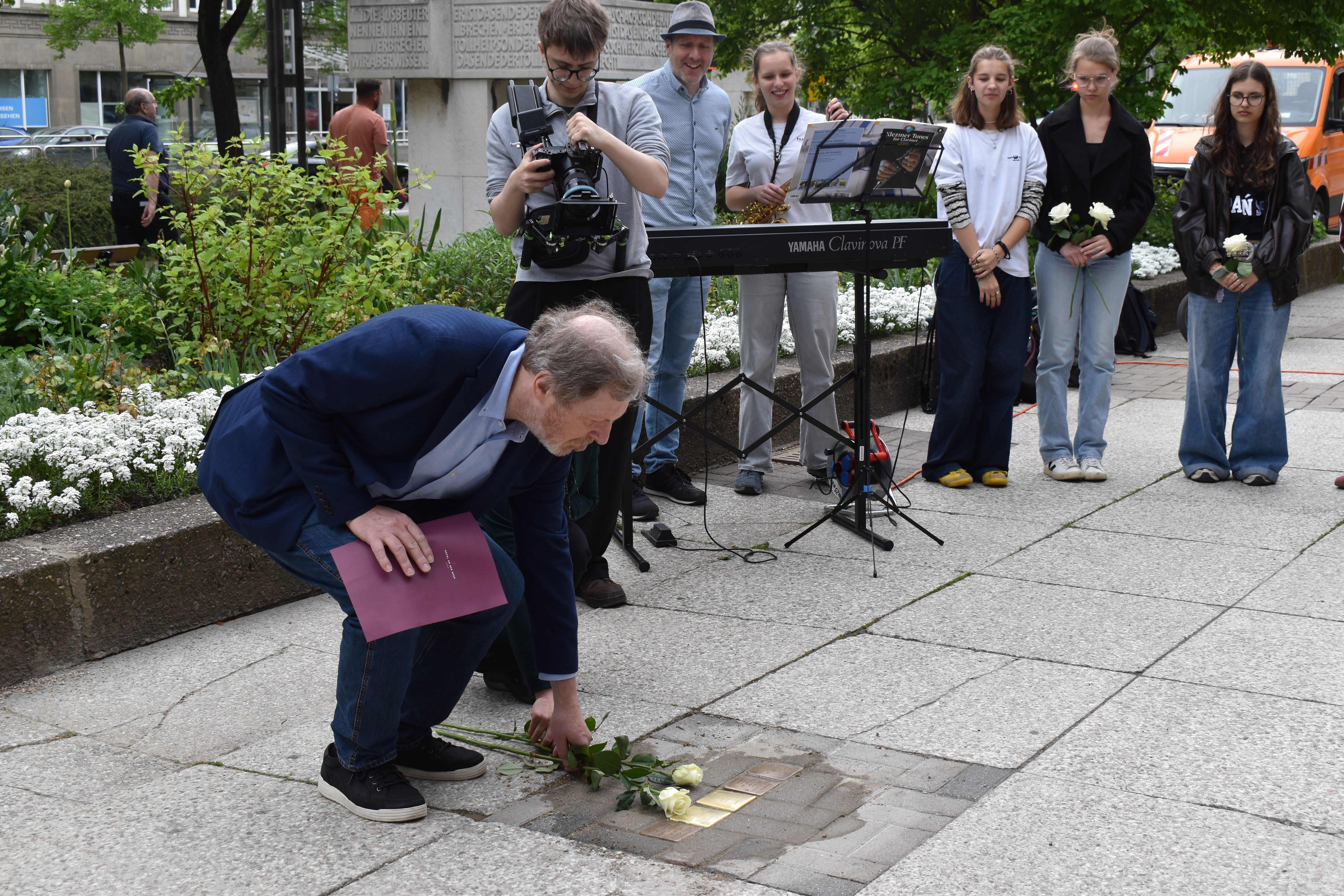
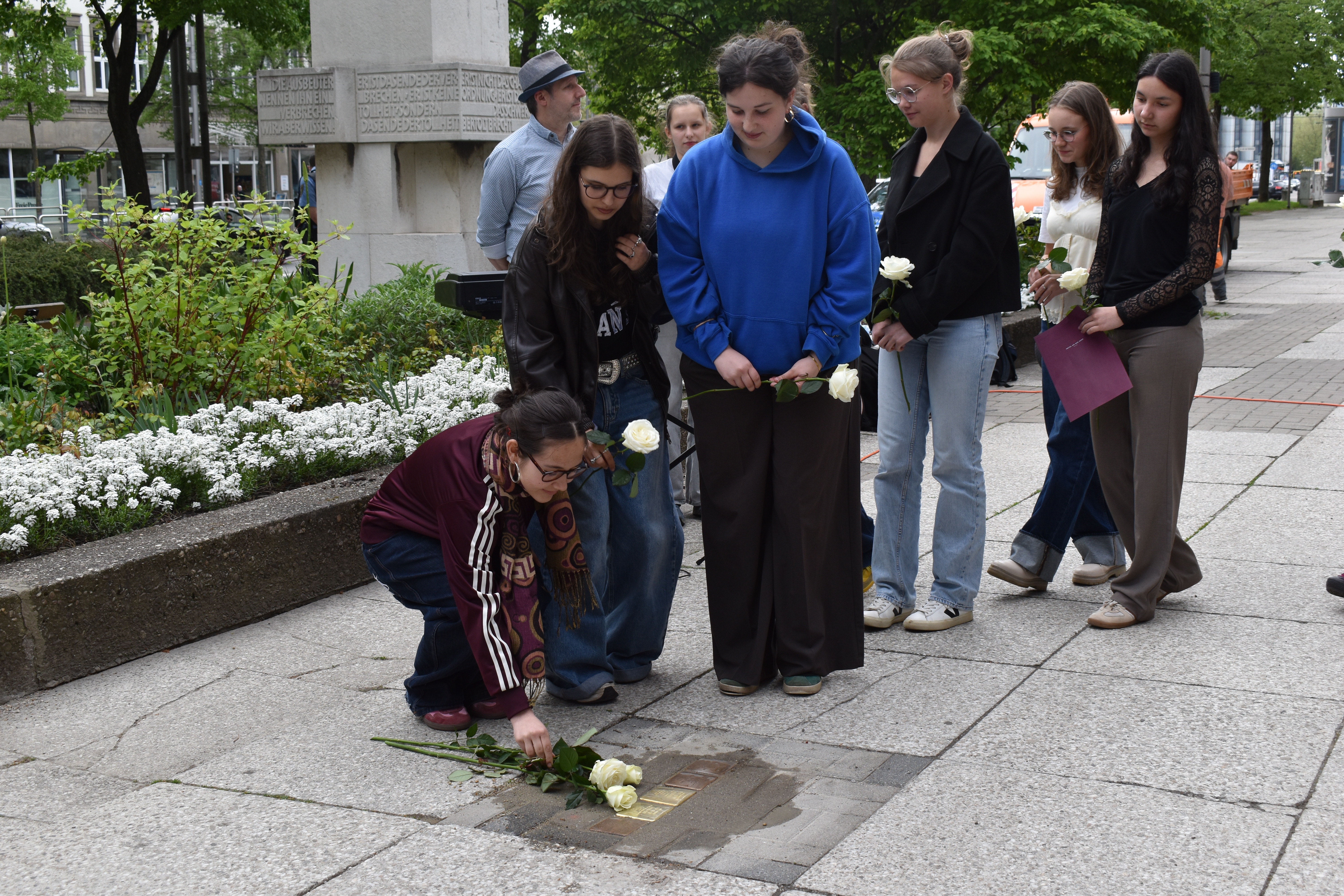
Photos of the laying of the Stumbling Stones
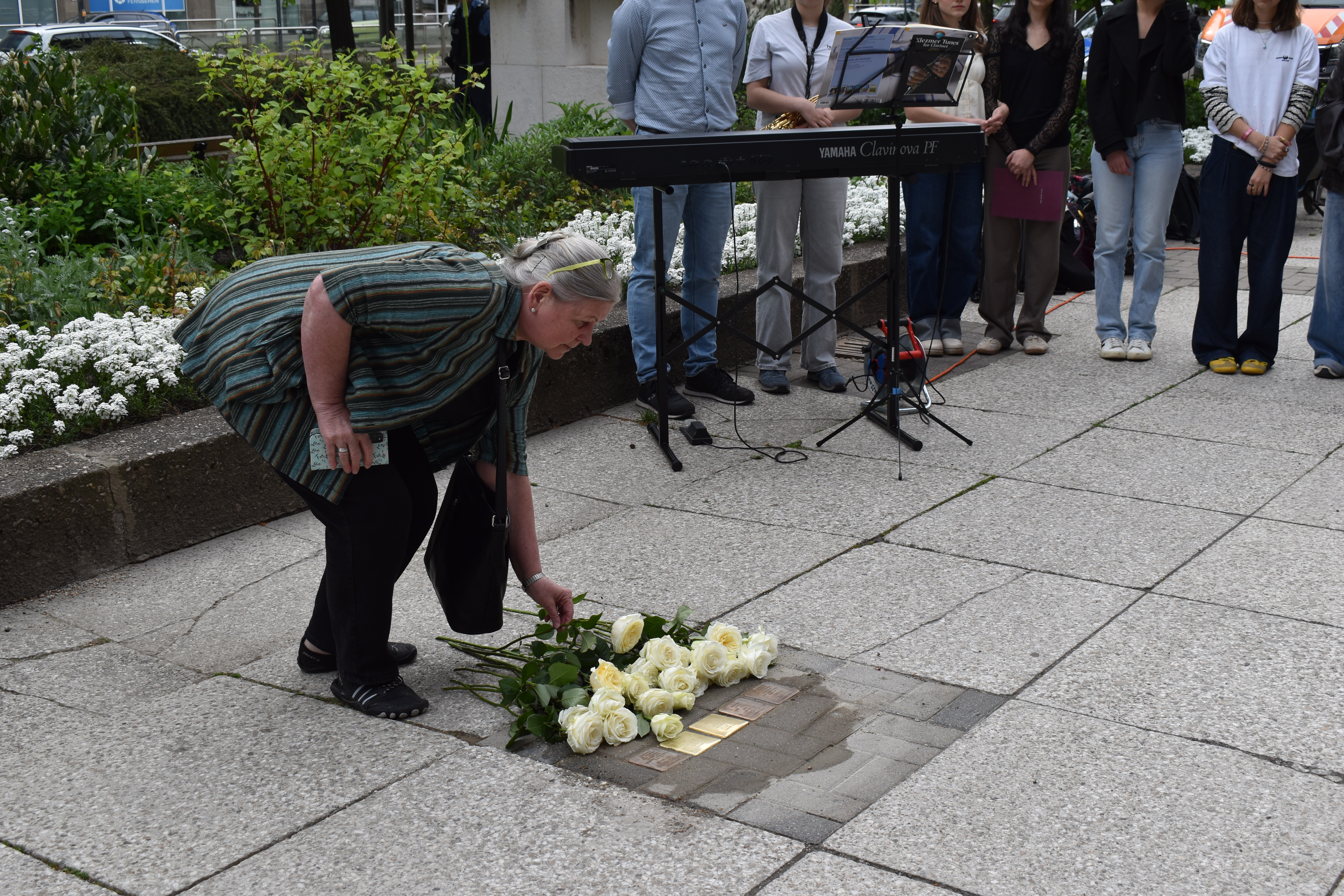
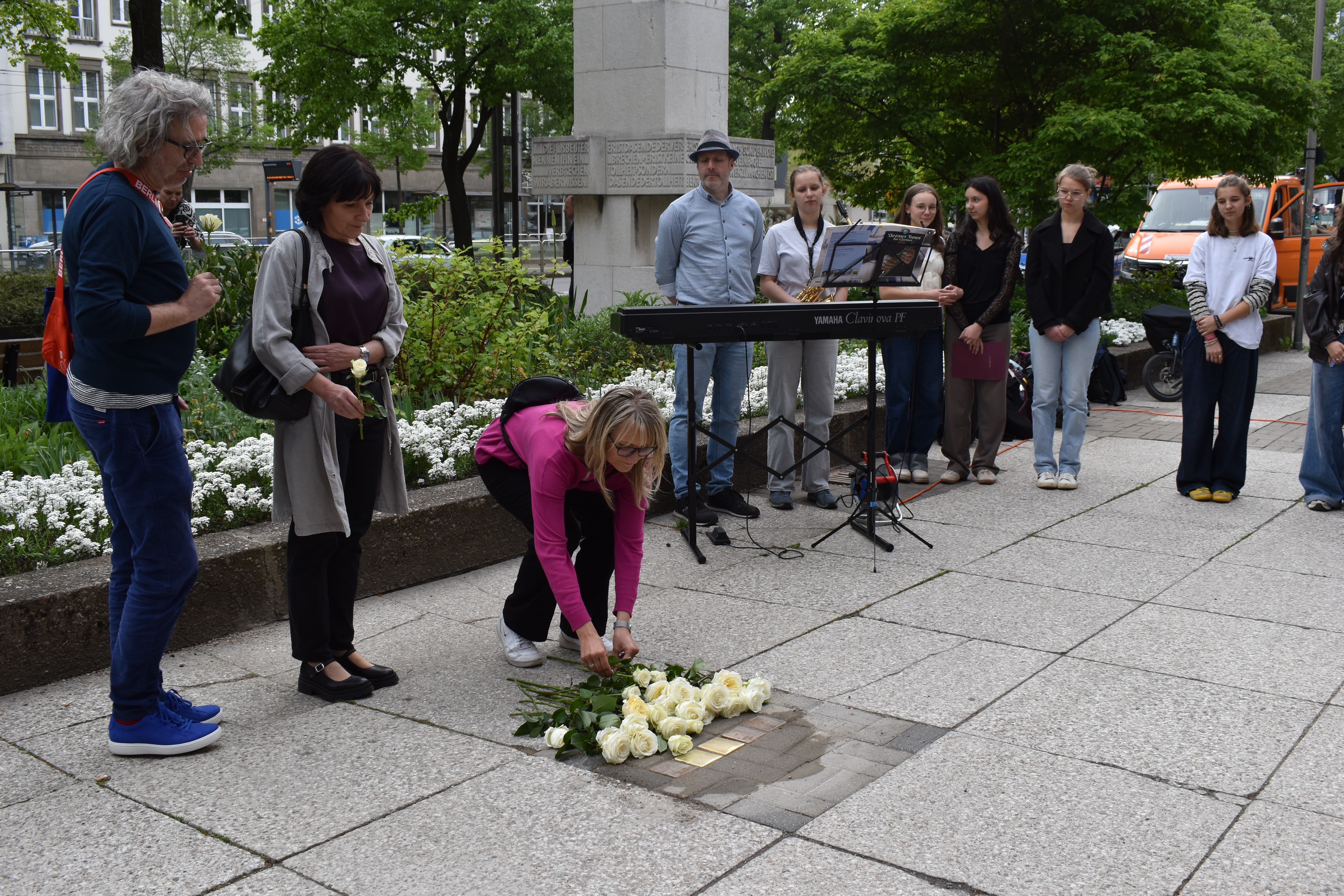
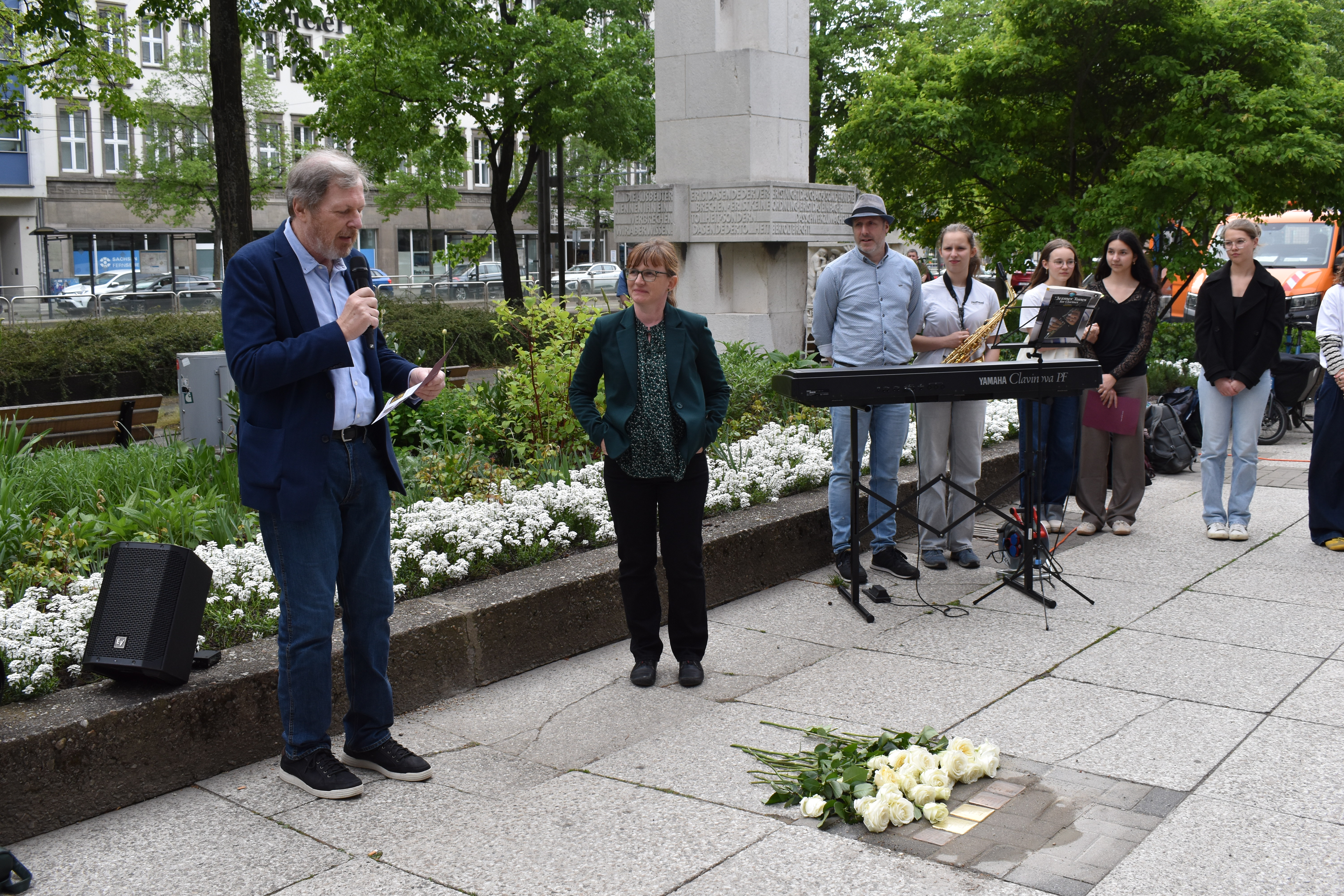
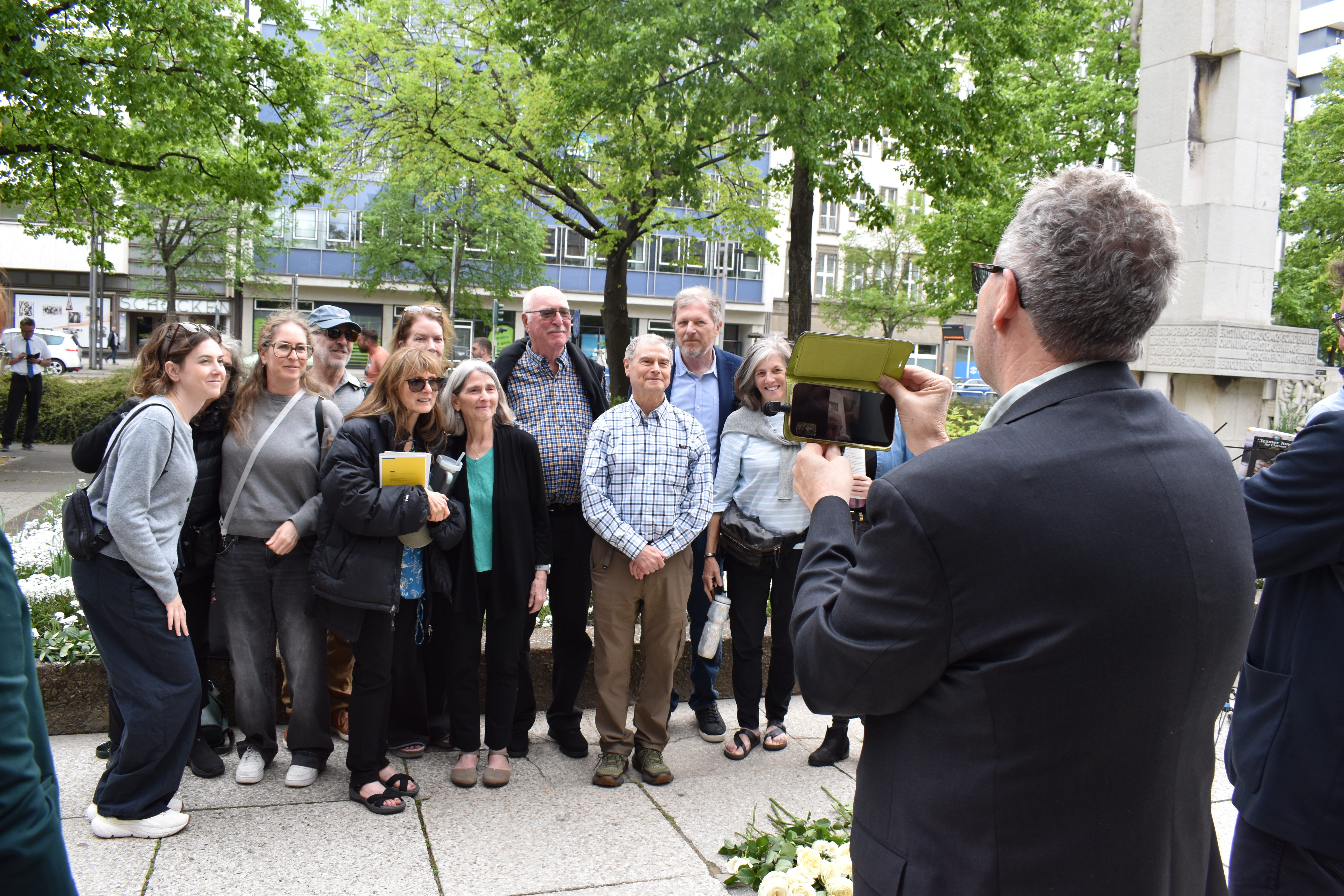
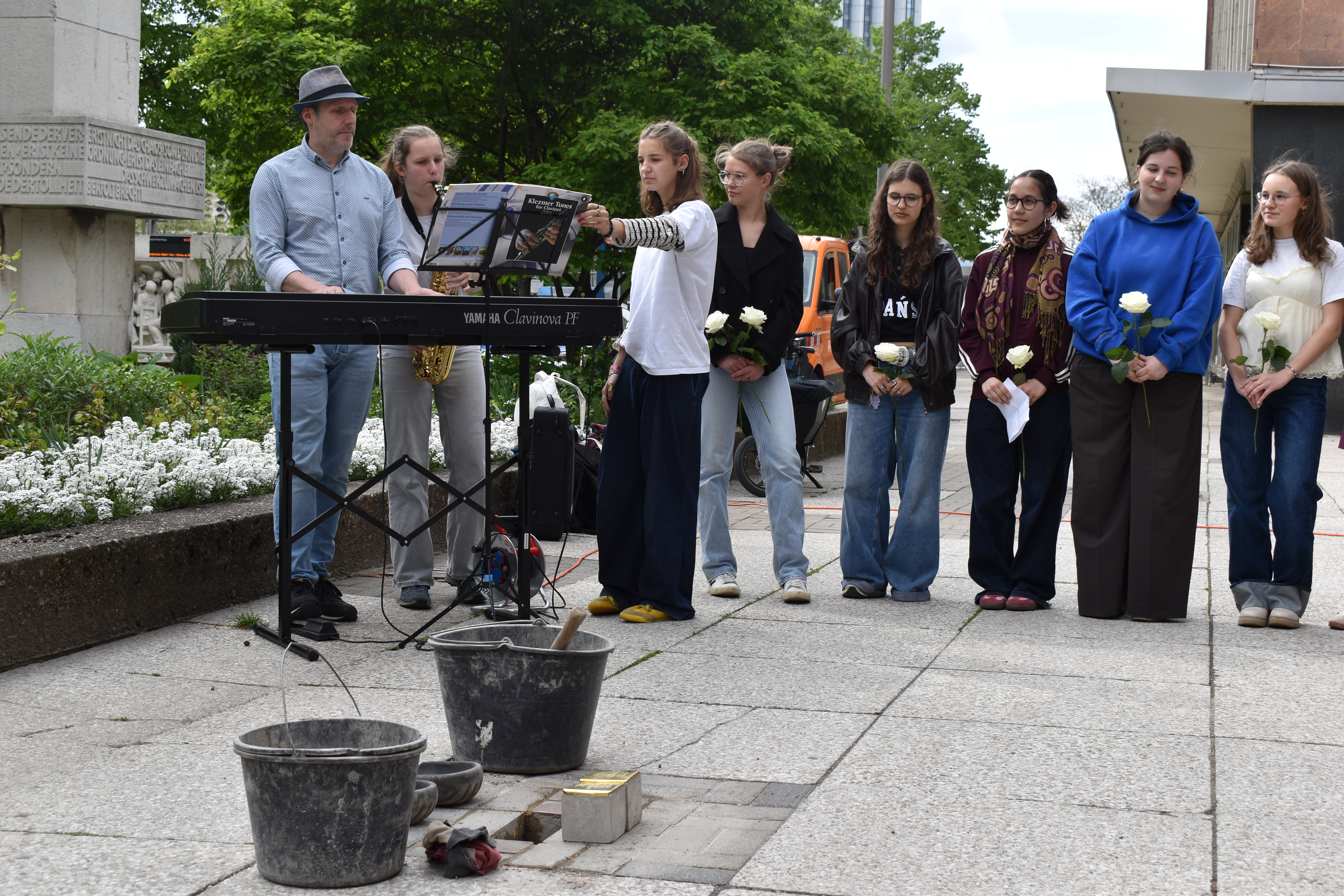
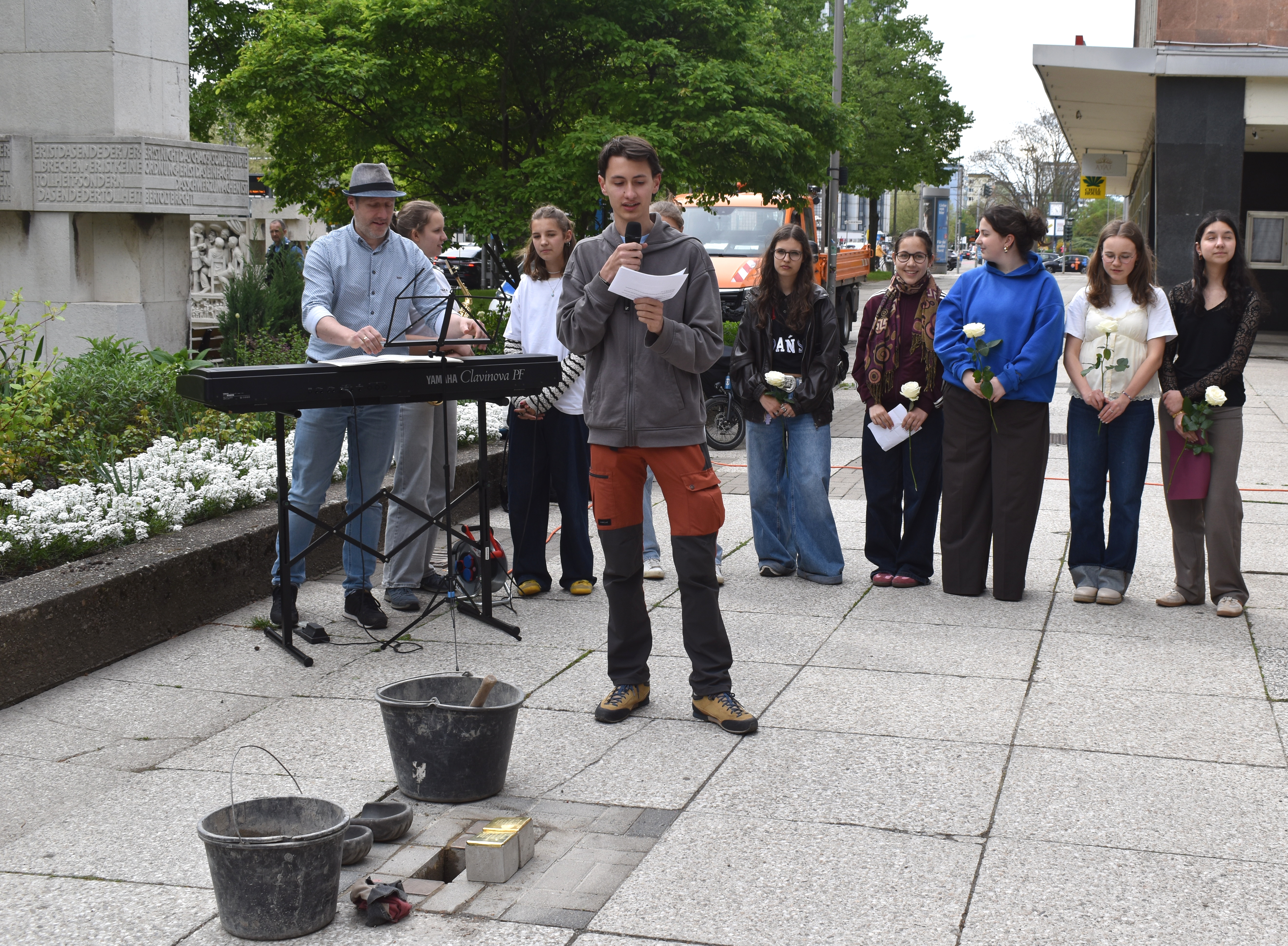
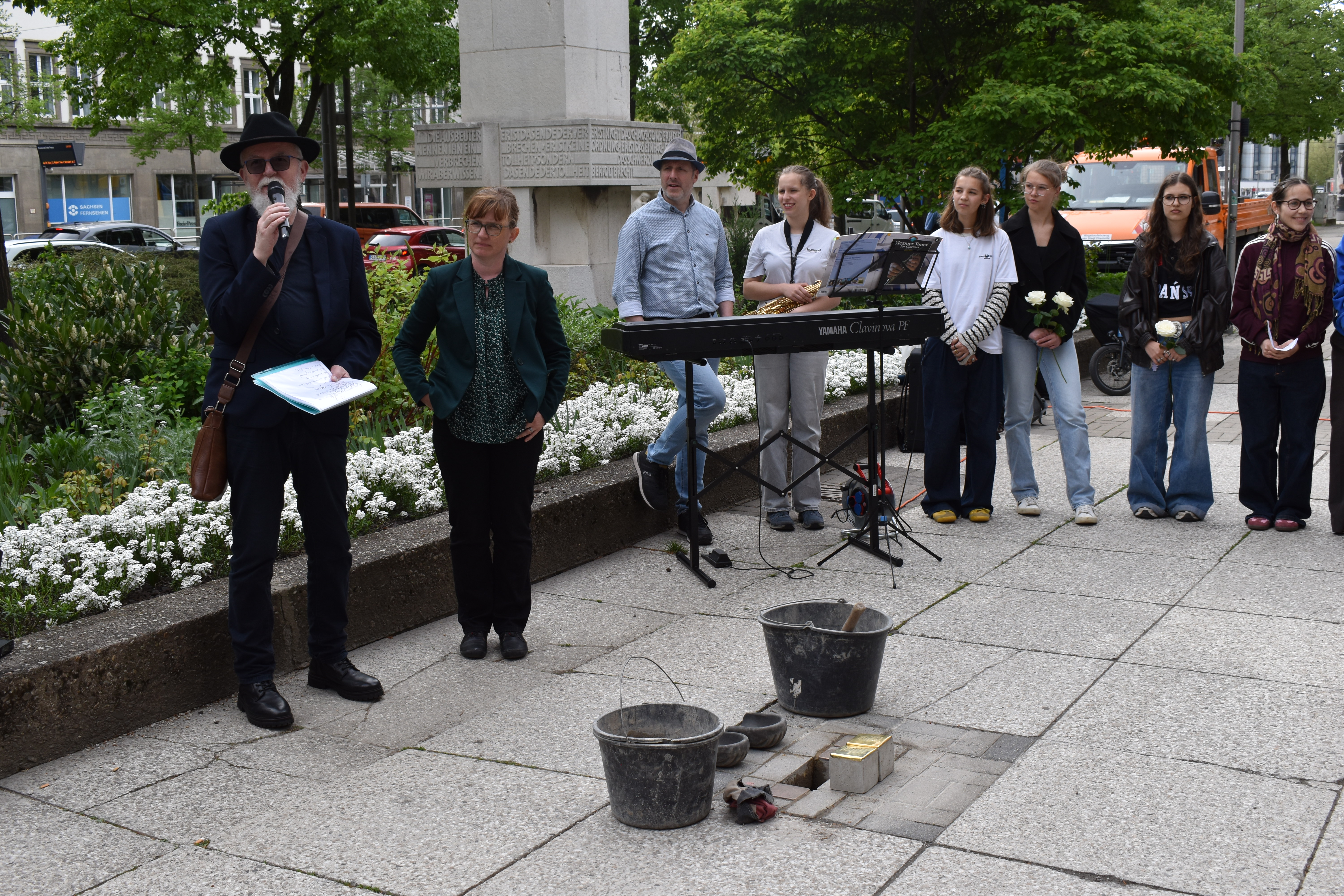
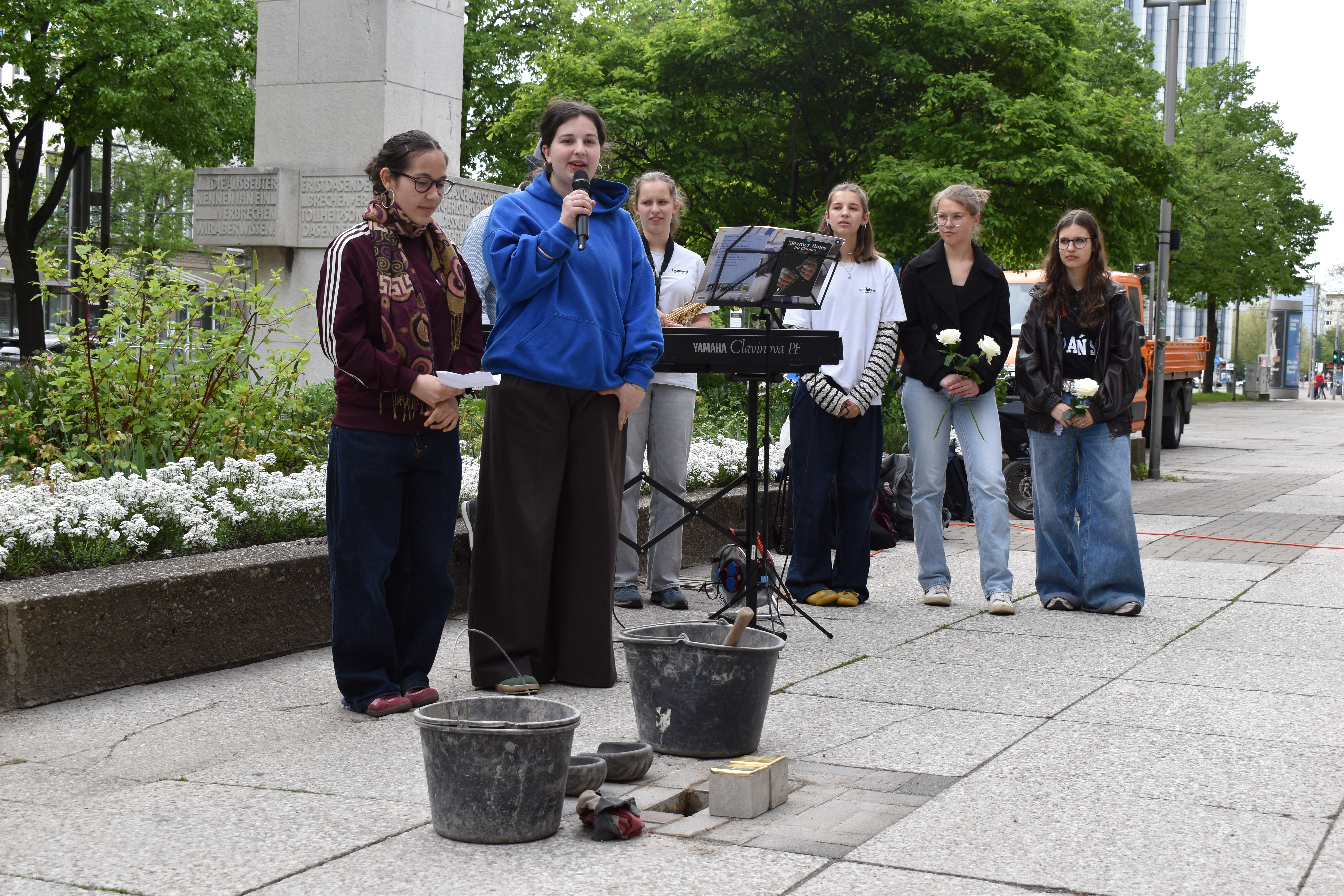
Life Path
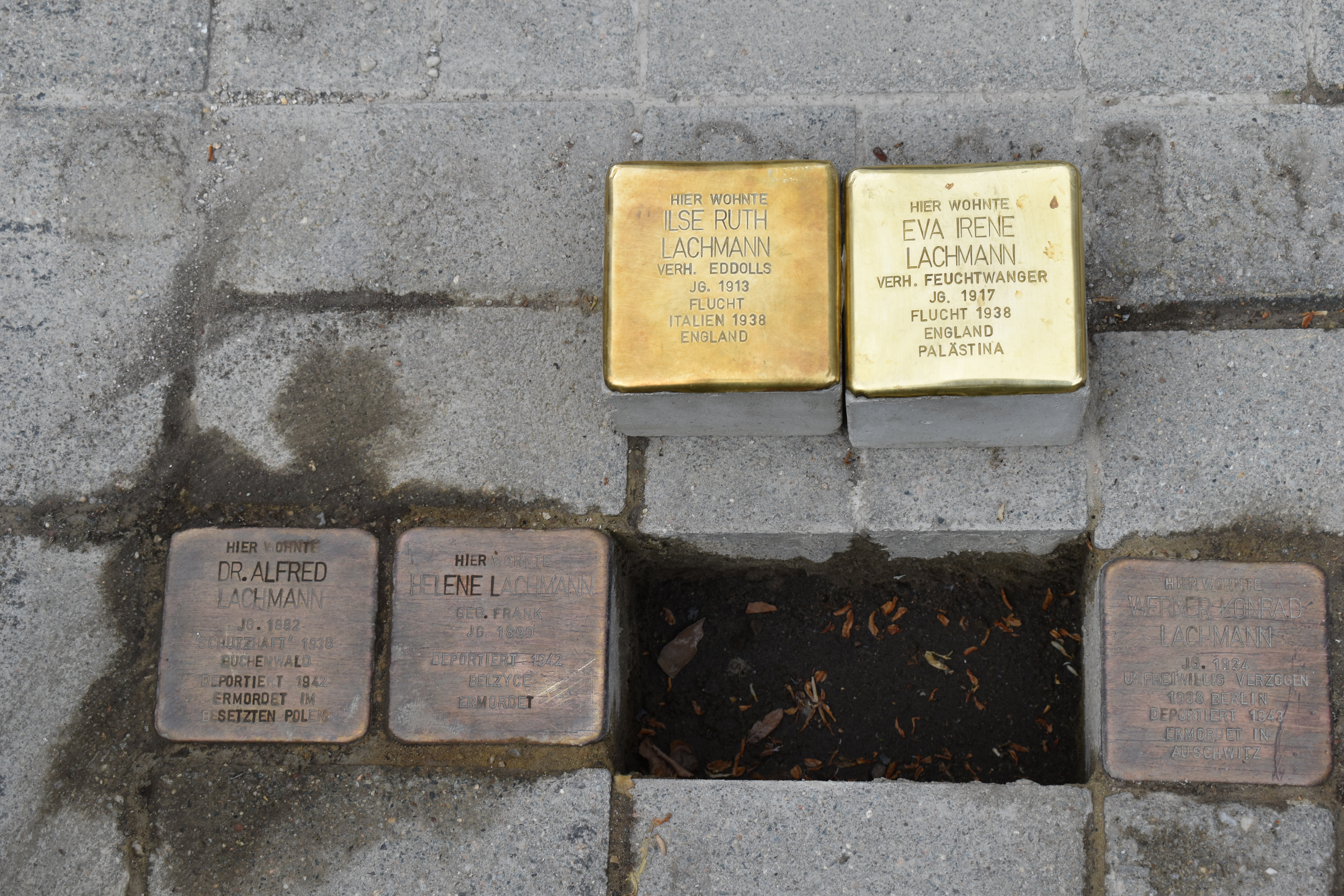
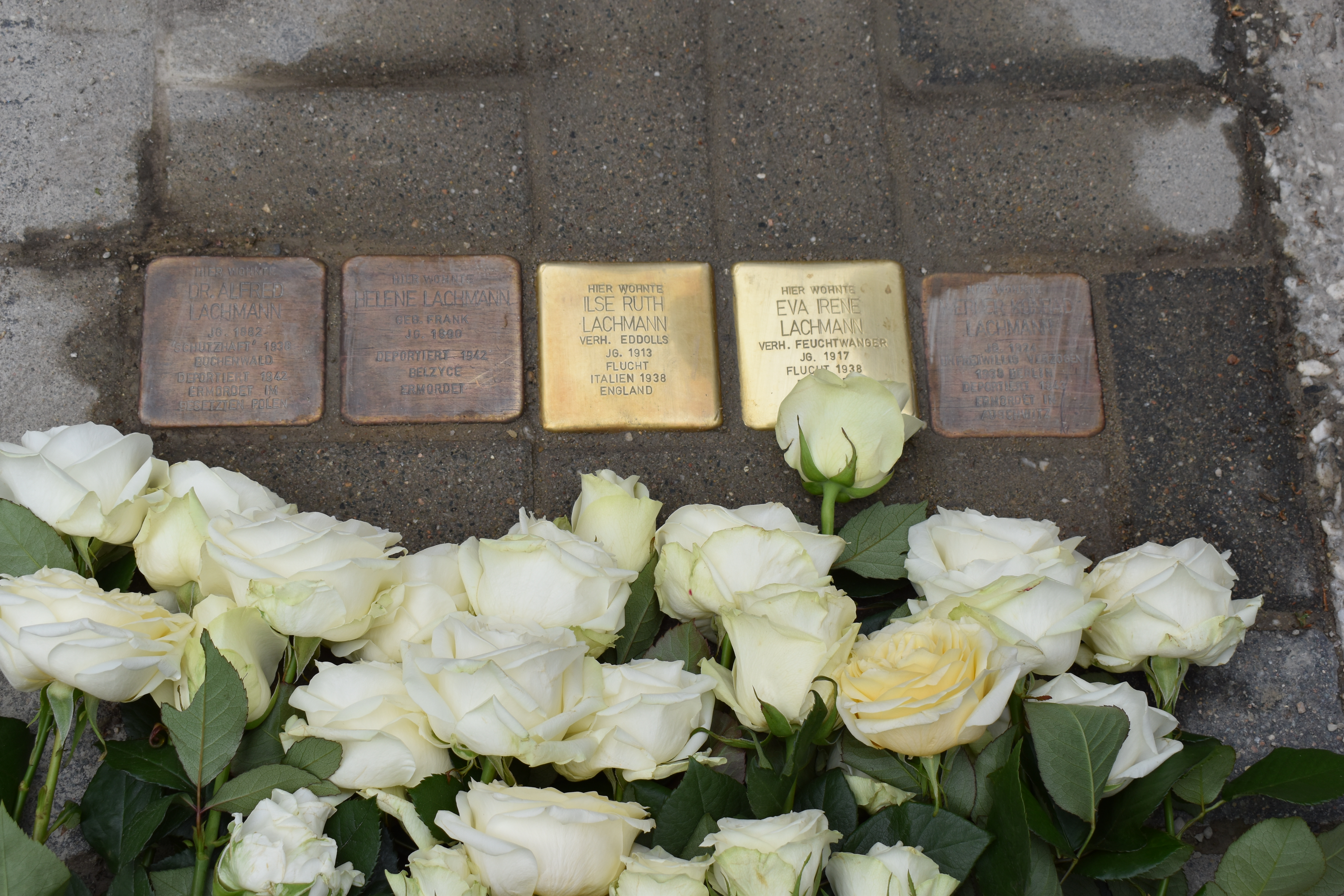
On 2 November 2012, three Stolpersteine were laid in memory of Dr Alfred Lachmann, his wife Helene, and their son Werner. They were placed at the former site of the multi-storey commercial and residential building where the family lived for more than 20 years.
What is known of the ear, nose, and throat specialist and his family? On 19 February 1912, Dr Alfred Lachmann married Helene Louise Frank, the daughter of a prominent Jewish industrialist family in Chemnitz and eight years his junior. This marriage led the doctor to establish his own practice in the town just a few months later. By 1924, the couple had three children: two daughters, Ilse Ruth and Eva Irene, and a son, Werner Konrad.
The rise of the National Socialist regime ushered in a period of disenfranchisement and persecution for the Jewish doctor and his family. As early as April 1933, his practice appeared on a boycott list published in the “Chemnitzer Tageblatt”. However, as a veteran of the First World War, he was permitted to continue practising as a panel doctor beyond 1934. Following the November Pogroms of 1938, Dr Lachmann was arrested and deported to Buchenwald concentration camp. Owing again to his military service, he was released after approximately two weeks, likely on the condition that he emigrate as soon as possible.
His daughters had already managed to emigrate at an early stage, though few specific details of their departure have been preserved. It is known that Ilse initially found refuge in a convent in Turin, Italy. In 1938, she successfully moved to England to work as a domestic servant, having secured employment within the parish of East Barnet, Hertfordshire.
On 5 June 1942, Ilse gave birth to a son. Due to her employment with the British civil authorities, she was obliged to place the child in a children’s home in Liverpool. In the ensuing years, she lost contact with her son, who had come under the care of the British immigration authorities. The children, deemed “unaccompanied”, were falsely told that their parents had died. At the age of five, Michael was sent to Australia alongside other displaced children, where he was raised by a Catholic adoptive family.
Following the war, Ilse settled in Newcastle. Between 1947 and 1948, she made repeated applications for restitution to the Saxony state government. Her detailed testimonies provide a vivid retrospective of the family’s upper-class, second-floor apartment. Though the imposing building was destroyed in the air raids of early 1945, Ilse’s records preserve the memory of its furnishings. She also recalled a crate containing her trousseau, which notably included “a set of skiing equipment consisting of one pair of skis with bamboo poles”.
In January 1950, Ilse departed from Liverpool for Australia aboard the passenger ship “Georgic”, intent on finding her lost son. It remains unclear whether she met Raymond Walter Eddolls, a teacher from Bristol, during the voyage; however, she married Raymond, who was eleven years her junior, in Victoria the following year. Sadly, her search for her son proved unsuccessful. Ilse Eddolls passed away on 4 February 1998 in Redcliffe, Queensland. It was not until 2011 that Michael finally discovered he had been raised under a false identity.
Eva also emigrated to England in 1938. Years later, relatives still vividly recalled her striking red hair and distinctive glasses. In spring of 1945, she moved to Palestine, arriving on 20 June. There, she adopted the name Chava. With her husband, Wilhelm Shimon Feuchtwanger, who was seven years her senior, she had two children, Tamar and Amos. Wilhelm passed away in 1957. Chava maintained close contact with the Jewish community in Karl-Marx-Stadt (now Chemnitz) well into the 1960s. She lived in the city of Ramat Gan until her death on 25 May 2005.
In October 2022, Michael Lachmann visited his mother’s birthplace, where he paused in reflection at the Stolpersteine on Brückenstraße.
Author: Dr Jürgen Nitsche