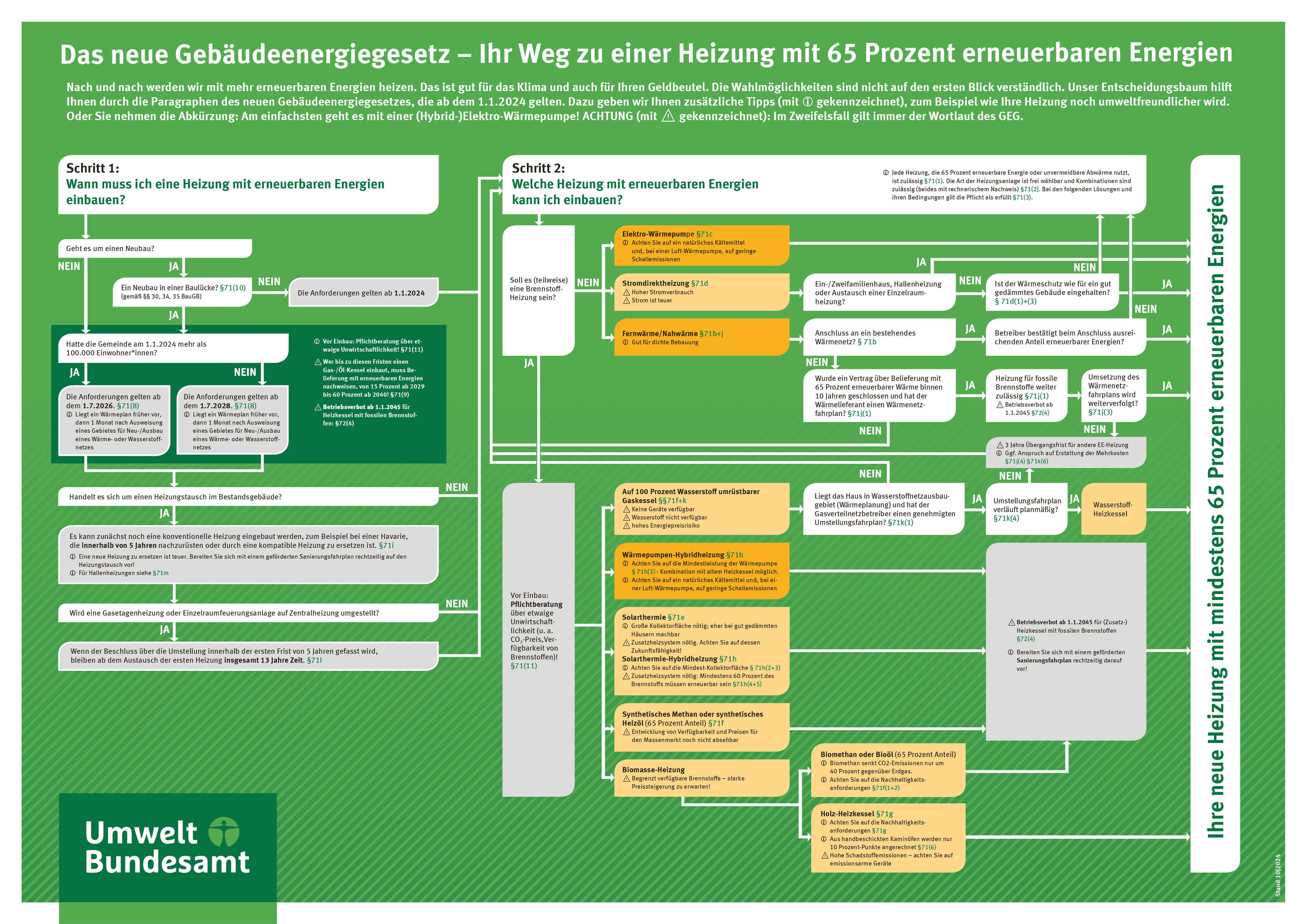

Municipal heat planning

Draft of municipal heat planning published
Municipal heating plan adopted for Chemnitz
The Chemnitz City Council adopted the municipal heating plan on 27 May 2026. This means that, for the first time, Chemnitz has a strategic roadmap for a climate-neutral heat supply by 2040 at the latest.</p
<p>The city's goal is an affordable, reliable and climate-friendly heat supply.
32 comments were received as part of the public participation process at the beginning of 2026, some of which were analysed and incorporated into the heating plan. Decentralised renewable solutions were emphasised more strongly and areas under review were restructured. In particular, the importance of heat pumps and other renewable heating systems such as biomass heating and solar thermal energy was emphasised more strongly.</p
<p>The expansion of the district heating network with gradually decarbonised district heating and the possible construction of new "green" local heating islands or "cold grids" remain an important building block.</p
<p>In this context, the heating plan shows which forms of heat supply are possible in the individual urban areas now and in the future, such as district heating, local heating solutions or decentralised renewable heating systems. It serves as a guide for citizens, businesses and property owners, but does not create any direct obligations. There is no obligation to connect to a heating network or to replace existing heating systems.</p
<p>In addition to equipping new buildings with efficient heating systems, existing buildings are also to be successively upgraded to the technically mature solutions that are available in the short and medium term
With the decision, the implementation of the first measures will now begin. These include examining future gas and possible hydrogen networks, regular monitoring, investigations into affordability and support options by the City of Chemnitz, the expansion of photovoltaics on municipal buildings and the examination of electricity grid capacities with a view to heat pumps and electromobility.
<p<p>Reducing heating requirements by insulating buildings and optimising heating systems must also be taken into account when implementing the municipal heating plan.
The preparation of the municipal heating plan was funded by the National Climate Protection Initiative of the Federal Ministry of Economics and Climate Protection (BMWK) on the basis of a resolution of the German Bundestag.
Further information
Information on the plan
Goals
Municipal heat planning should make a significant contribution to a cost-efficient, sustainable, economical, affordable, resilient and greenhouse gas-neutral heat supply. The Chemnitz heating plan will provide the specialist departments involved and building owners with guidance on how the climate protection target of a climate-neutral heat supply by 2040 (municipal target), or by 2045 at the latest, can be achieved. The respective plan is also an important tool for sustainable urban development.

Project status
Information relevant to the public on the status of the project is published below.
Climate protection projects presented: Focus on solar panels on GDR-era blocks of flats
On 23 June, the City of Chemnitz held an information event to present two climate protection projects that are nearing completion. The event showcased findings from the projects “Chemnitz: A Greenhouse Gas-Neutral City Administration” and “Model Solutions for Building Types”. Both projects highlight concrete ways in which energy consumption and greenhouse gas emissions in municipal buildings and the city’s existing building stock can be reduced in the long term.
Transition pathway for a greenhouse gas-neutral city administration
The “Greenhouse Gas-Neutral Chemnitz City Administration” project involved a comprehensive analysis of the municipal building stock, transport and technical infrastructure. The aim was to develop a technically and economically viable transformation pathway enabling the city administration to become largely greenhouse gas-neutral by 2035.
To this end, an energy and greenhouse gas inventory was drawn up, potential savings were identified, and specific measures were developed for municipal buildings, street lighting and transport. Furthermore, detailed energy analyses were carried out for selected municipal properties, and individual refurbishment roadmaps were drawn up.
According to the findings, the greatest potential for reducing energy consumption and greenhouse gas emissions lies in the buildings sector. Significant savings can be achieved through the energy-efficient refurbishment of building envelopes, the modernisation of building services, the expansion of district heating, the use of renewable heat generators, the installation of photovoltaic systems and the optimisation of lighting. For some of the buildings examined, primary energy demand can be reduced by more than 80 per cent.
The ongoing decarbonisation of district heating and the electricity sector also makes a significant contribution. For buildings that, in the long term, cannot be economically connected to the district heating network or fully electrified, the use of regionally produced biomethane was also considered as a possible alternative.
In addition, the project examined measures to electrify the municipal vehicle fleet, expand the charging infrastructure and promote climate-friendly forms of transport. The scenarios developed show that further emissions reductions are possible through the increased use of electric vehicles, as well as greater use of cycling and local public transport.
Overall, the studies confirm that a largely greenhouse gas-neutral city administration is technically achievable by 2035. This is conditional on the proposed measures being consistently implemented and supported by continuous energy and climate management.
Photovoltaic solutions for typical GDR residential buildings
The feasibility study ‘Model Solutions for Building Types’ examines how photovoltaic systems can be implemented, both technically and economically, on typical buildings from the era of industrial housing construction. The focus was on building types Q6, P2 and WBS70, as well as their different roof structures.
The results show that Q6 gable roofs with reinforced concrete rafters, in particular, offer good conditions for the installation of photovoltaic systems. In contrast, buildings with timber roof structures often require structural reinforcement.
For the flat roof types P2 and WBS70 examined, it is currently not possible to provide a calculated load-bearing capacity verification based solely on the existing documentation. However, an in-situ loading method developed and tested as part of the project shows the potential to provide the necessary structural verification in future in a cost-effective manner and with minimal structural intervention.
Furthermore, possibilities for increasing the self-consumption of the solar power generated were investigated. These include, in particular, battery storage and power-to-heat systems, in which surplus electricity is used for heating. These approaches can help to make better use of locally generated energy within the building and further advance the decarbonisation of the building stock.
Funding and project participants
Both projects are funded by the Free State of Saxony via the Sächsische Aufbaubank under the Energy and Climate Guidelines and co-financed by the European Union.
The ‘Chemnitz City Council: A Greenhouse Gas-Neutral Local Authority’ project was overseen by the city’s Environment Agency in collaboration with the Central Energy Management Department and the departments responsible for the vehicle fleet and street lighting. seecon Ingenieur GmbH was commissioned to carry out the study.
The feasibility study ‘Model Solutions for Building Types’ was overseen by the Environment Office in collaboration with the Central Energy Management Department and local housing associations. The technical work was carried out by the architectural and engineering firm Fellendorf GmbH.
The results of both projects form an important basis for further municipal climate protection work. They highlight both concrete courses of action for the city administration and transferable solutions for the energy-efficient refurbishment of existing buildings. In this way, the projects contribute to the energy transition and to the long-term reduction of greenhouse gas emissions in Chemnitz.

Second information event with a large turnout
First information event
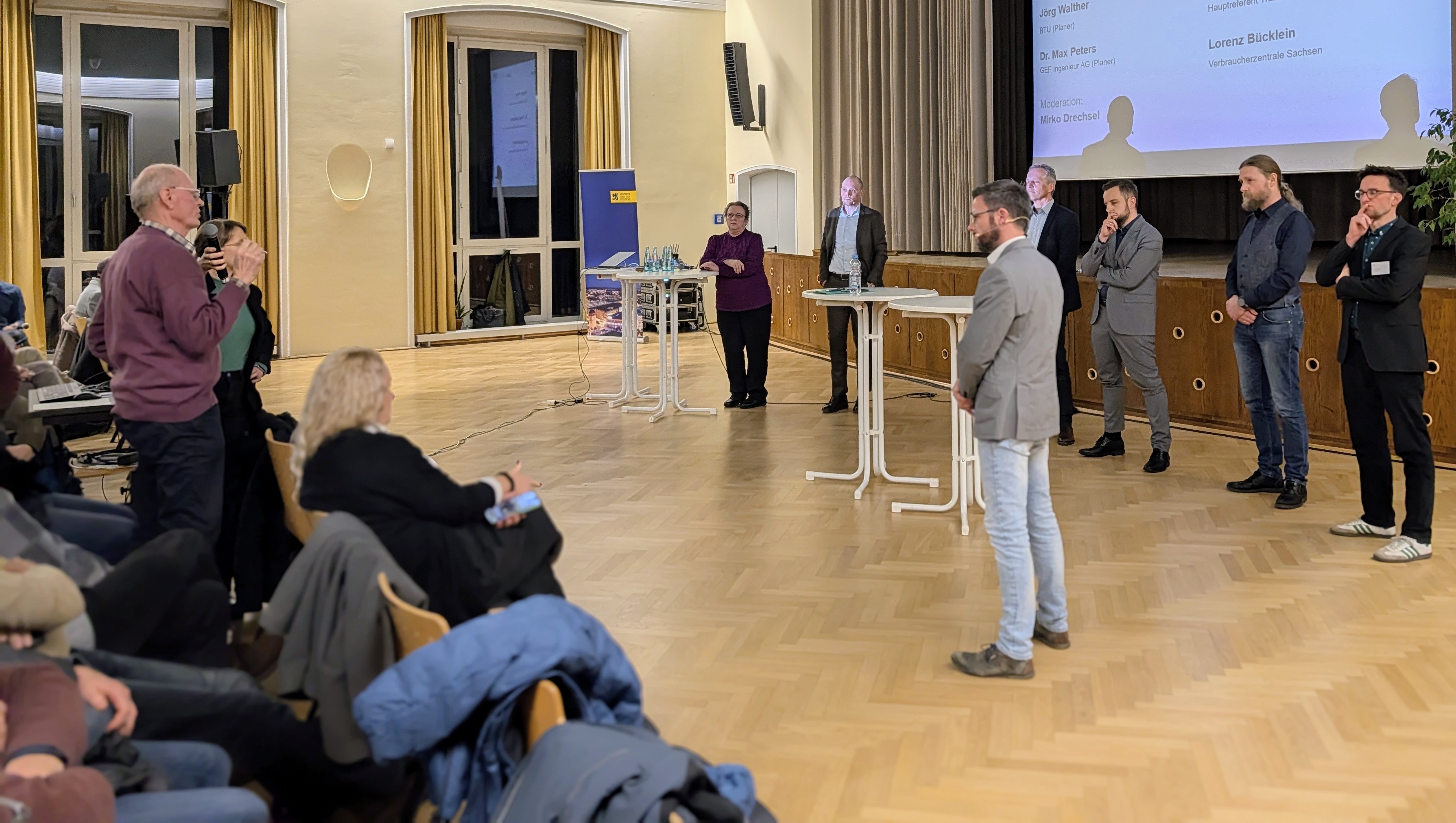
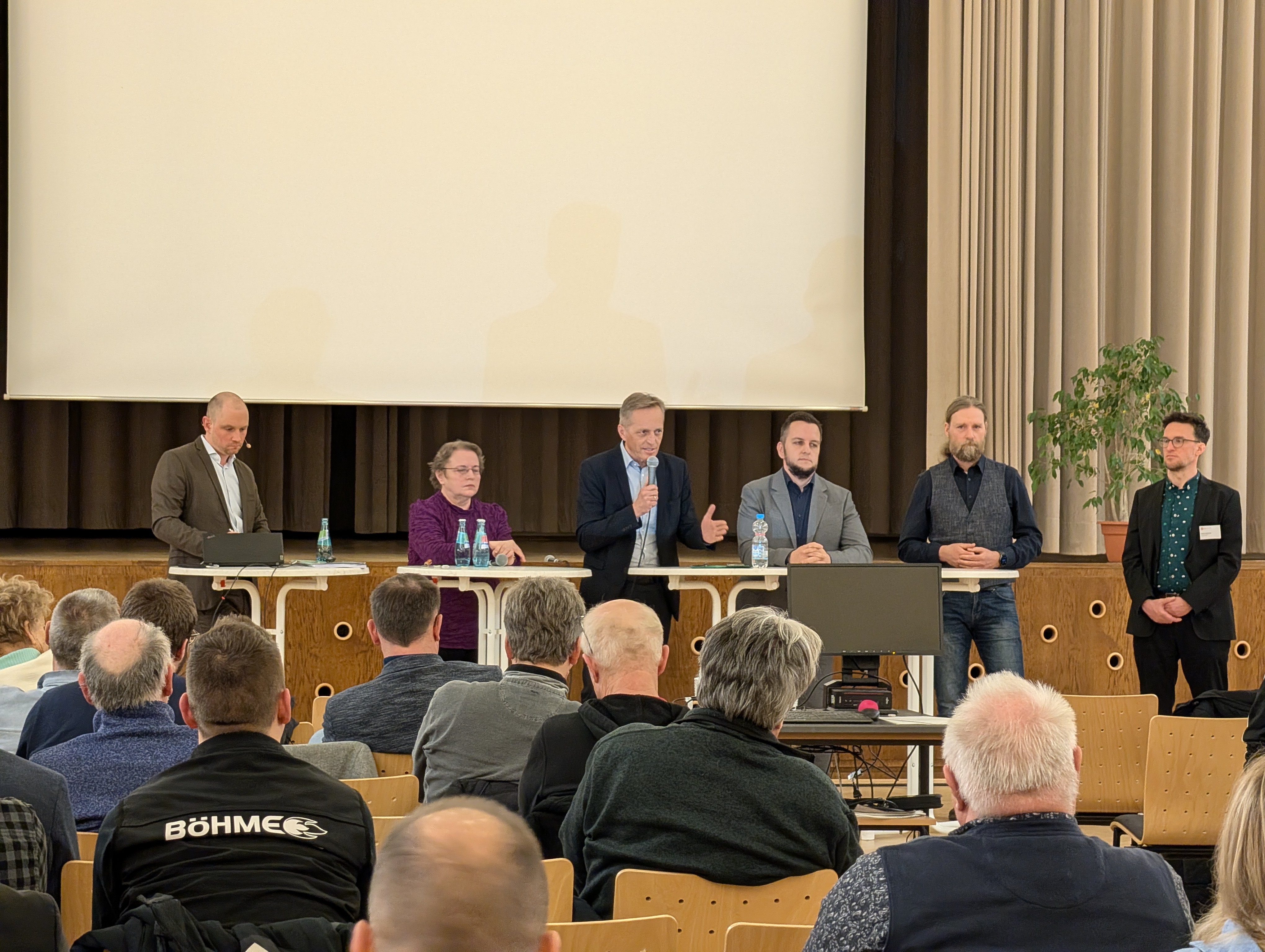
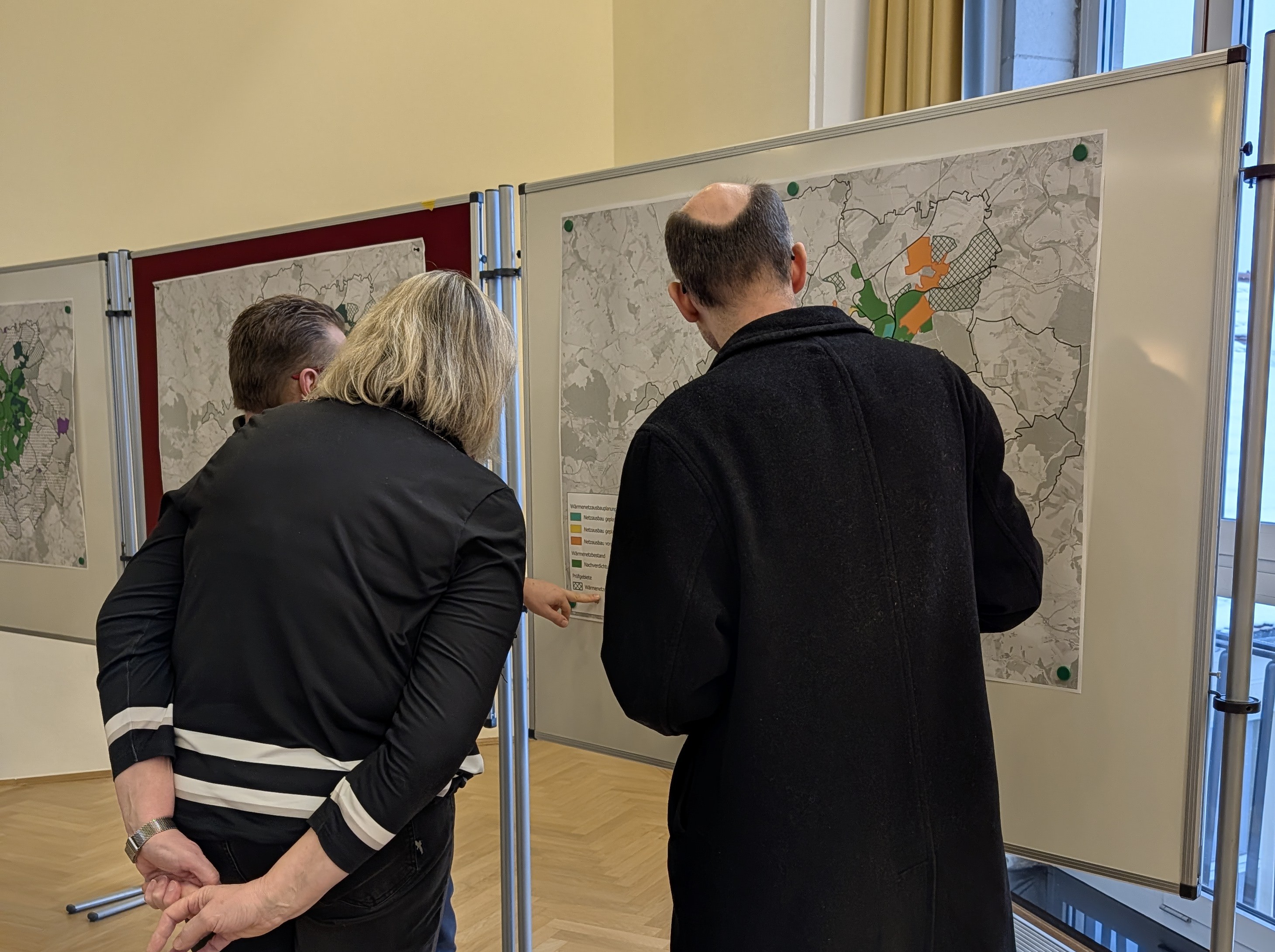
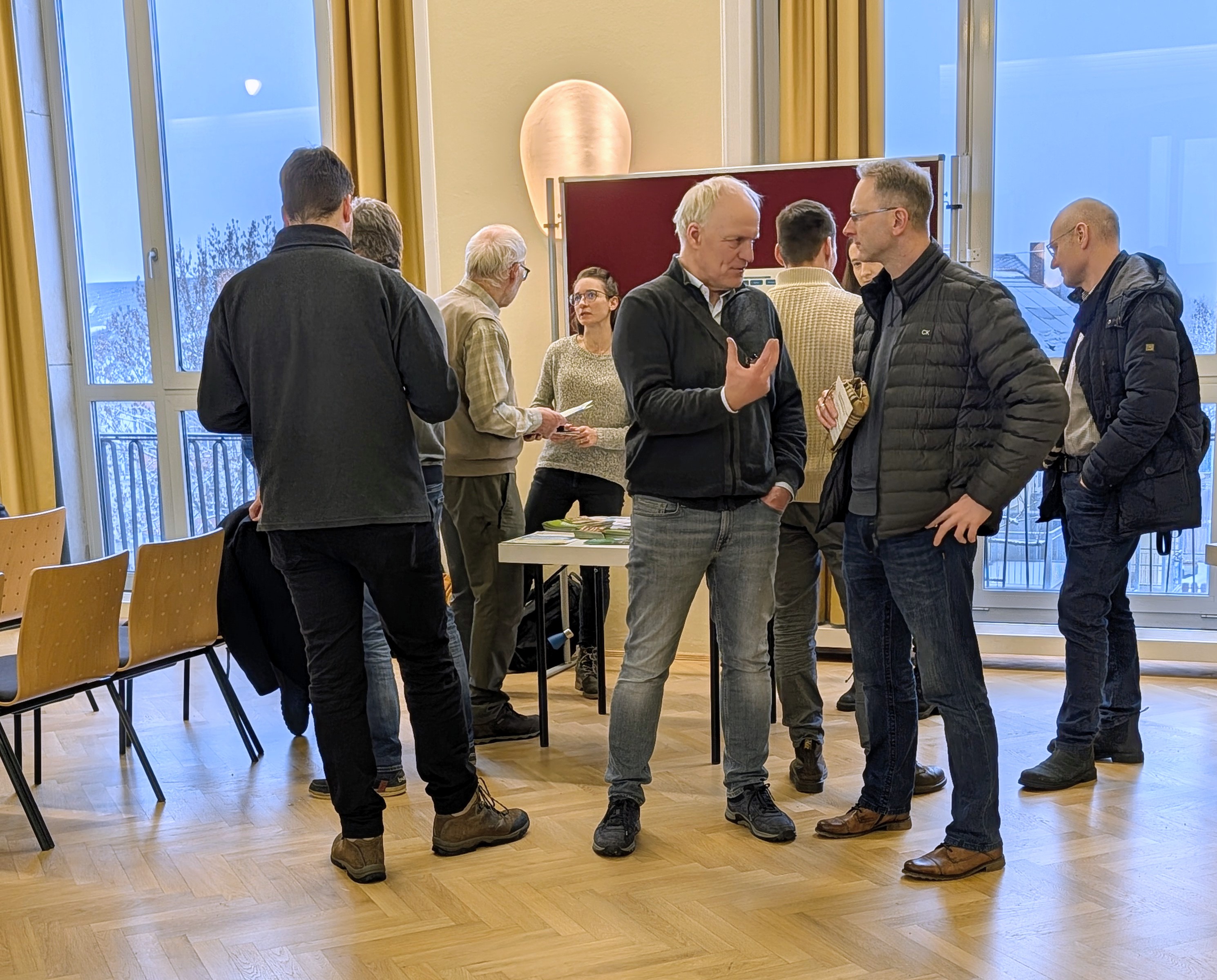
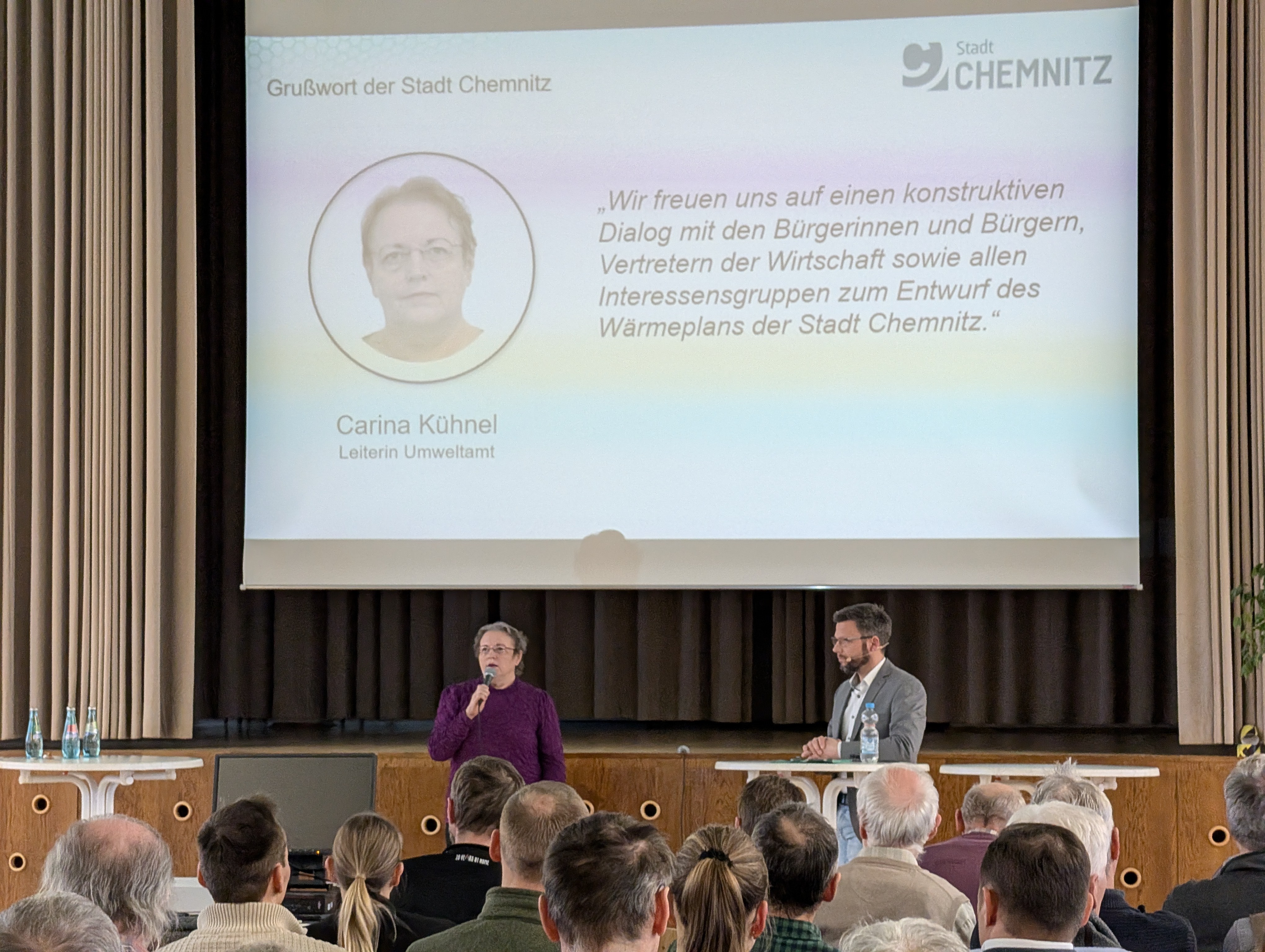
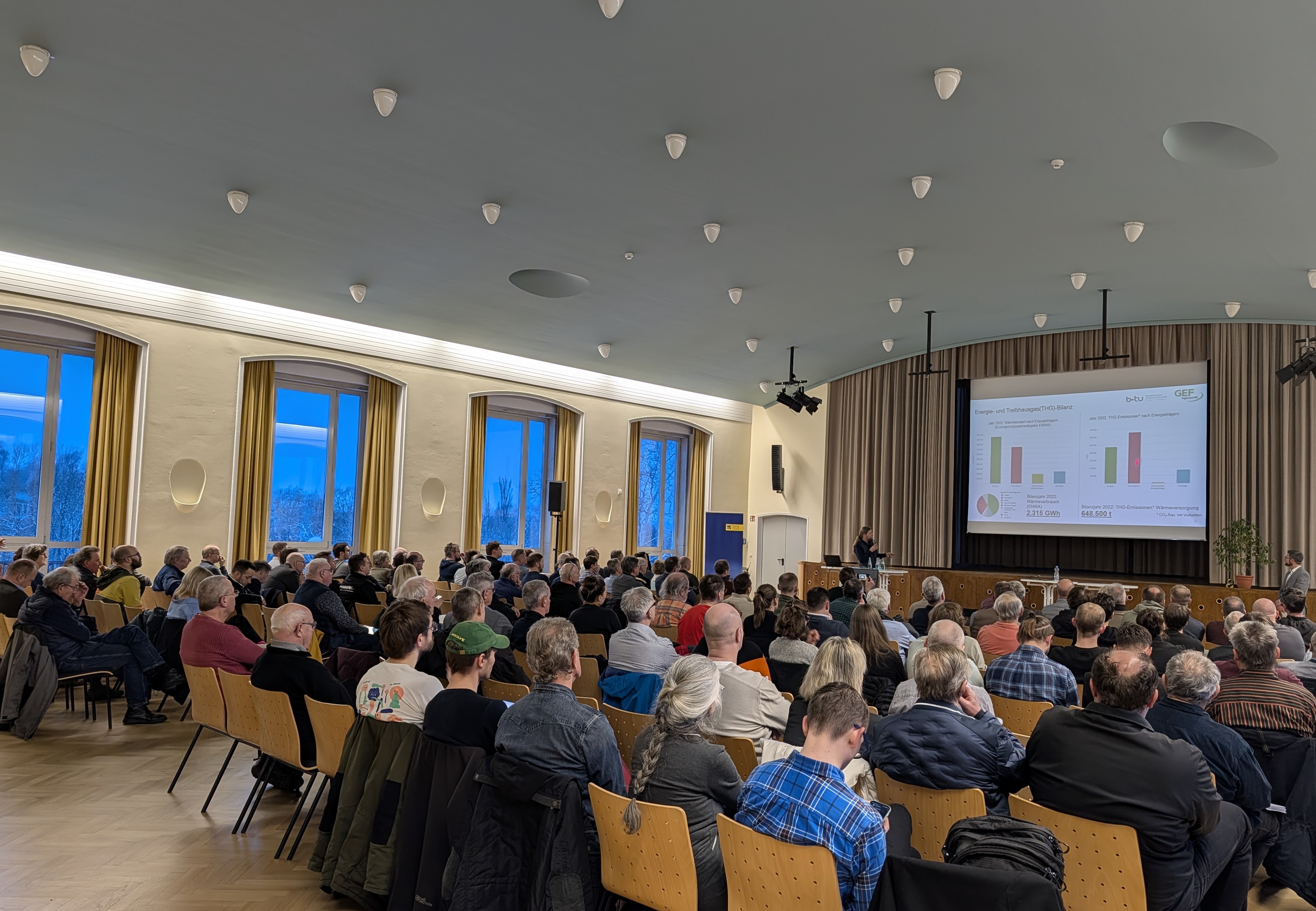
The second information event on municipal heat planning took place on 29 January 2026 from 4 to 7 p.m. at the Vocational School Centre for Economics I. The event, which was aimed at the general public, was very well attended with around 150 registrations.
The draft heat planning and the status of the categorisation into suitability and test areas were presented. Questions could be discussed directly with experts from GEF Ingenieure and BTU Cottbus as well as the Chemnitz Environmental Agency, Klimabündnis Chemnitz, eins energie in Sachsen GmbH & Co KG, inetz GmbH and Verbraucherzentrale Sachsen e.V. at themed tables.
The discussion centred on the further development of the gas grids. Various possible paths were discussed, such as the future use of hydrogen or gradual decommissioning. The economic viability and practical feasibility of the options were weighed up in particular detail. To better take social aspects into account, the city of Chemnitz commissioned a socio-economic analysis of heat planning in order to recognise the need for support in individual areas.
Draft of municipal heat planning published

Der Ausschuss für Eigenbetriebe, Umwelt und Sicherheit hat in seiner Sitzung am 14. Januar mit deutlicher Mehrheit den Entwurf des Kommunalen Wärmeplans bestätigt.
Der Entwurf des Kommunalen Wärmeplans ist nun öffentlich ausgelegt und online veröffentlicht, sodass interessierte Bürger:innen, Verbände und Institutionen ihn einsehen und eine Stellungnahme abgeben können. Der endgültige Plan wird nach Auswertung und Abwägung aller fristgerecht eingegangenen Einwendungen bzw. Anregungen fertig gestellt und dem Stadtrat zum Beschluss vorgelegt.
Anregungen, Vorschläge oder Einwendungen zum Entwurf der kommunalen Wärmeplanung für die Stadt Chemnitz konnten bis zum 22. Februar 2026 per Post an Stadt Chemnitz, Umweltamt, 09106 Chemnitz oder per E-Mail an umweltamt(at)stadt-chemnitz.de gesendet werden. Die eingegangenen Stellungnahmen wurden ausgewertet, um auf dieser Grundlage eine Beschlussvorlage für den Stadtrat zu erstellen.
First information event successfully held
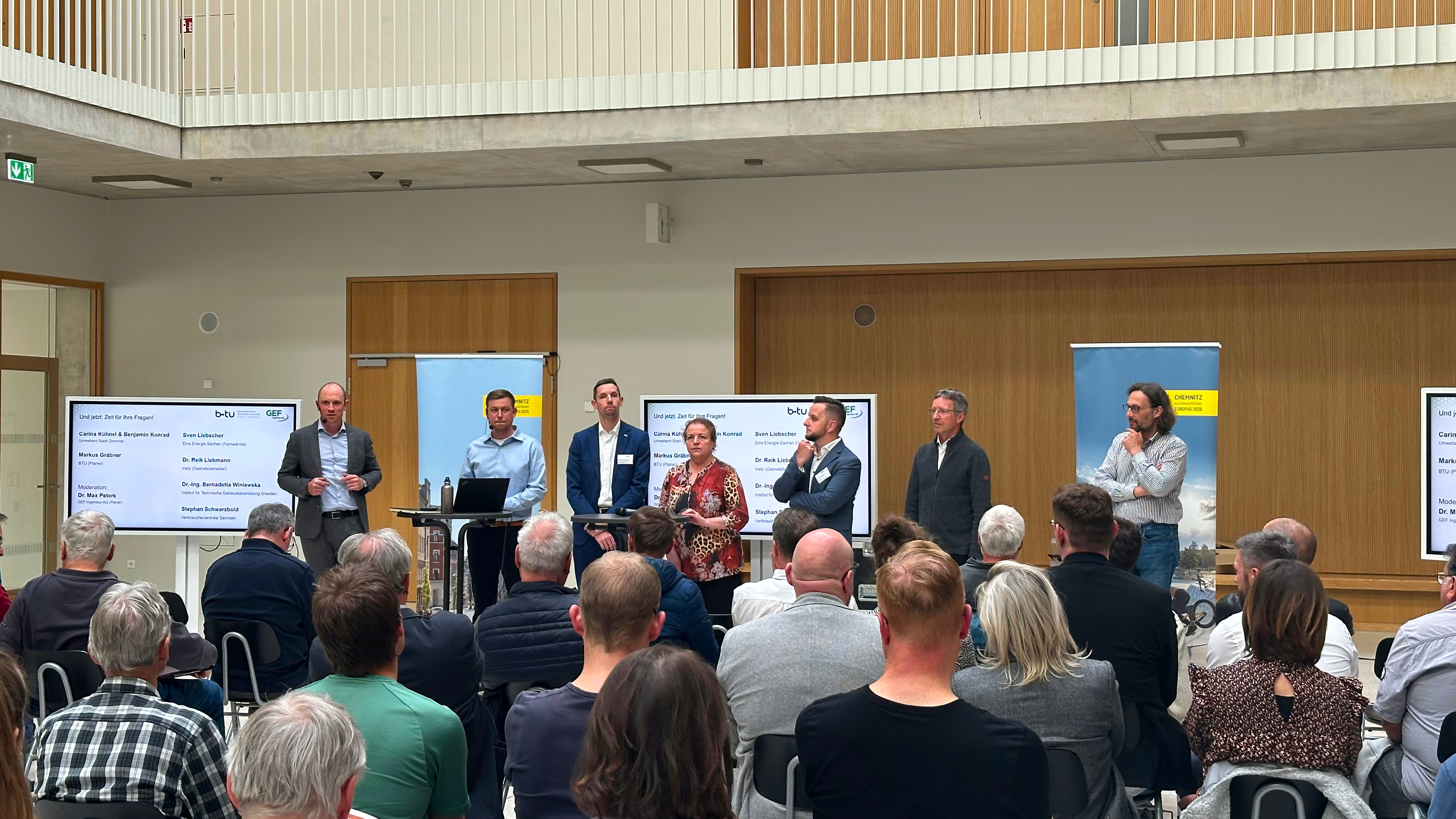
First information event
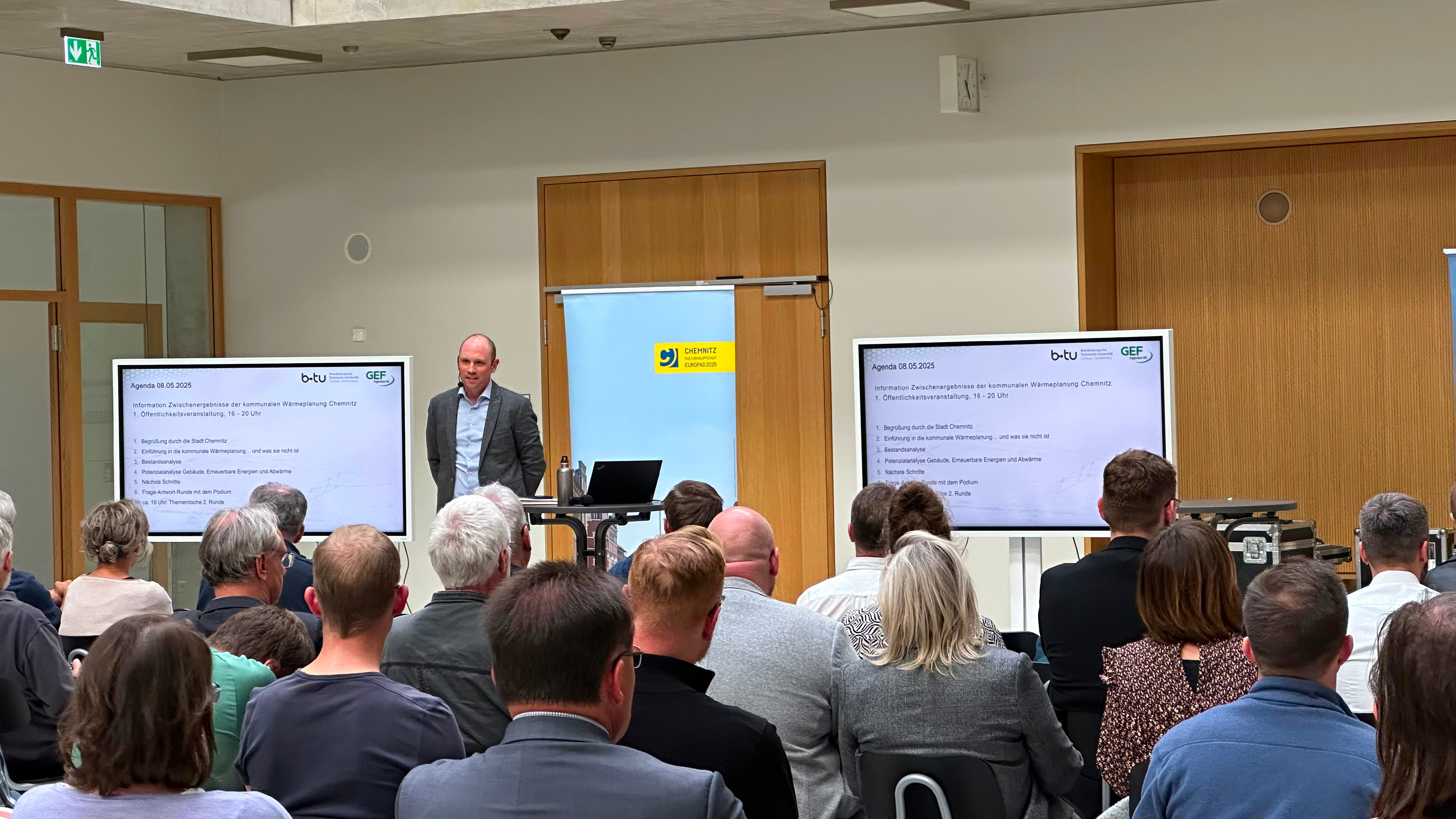
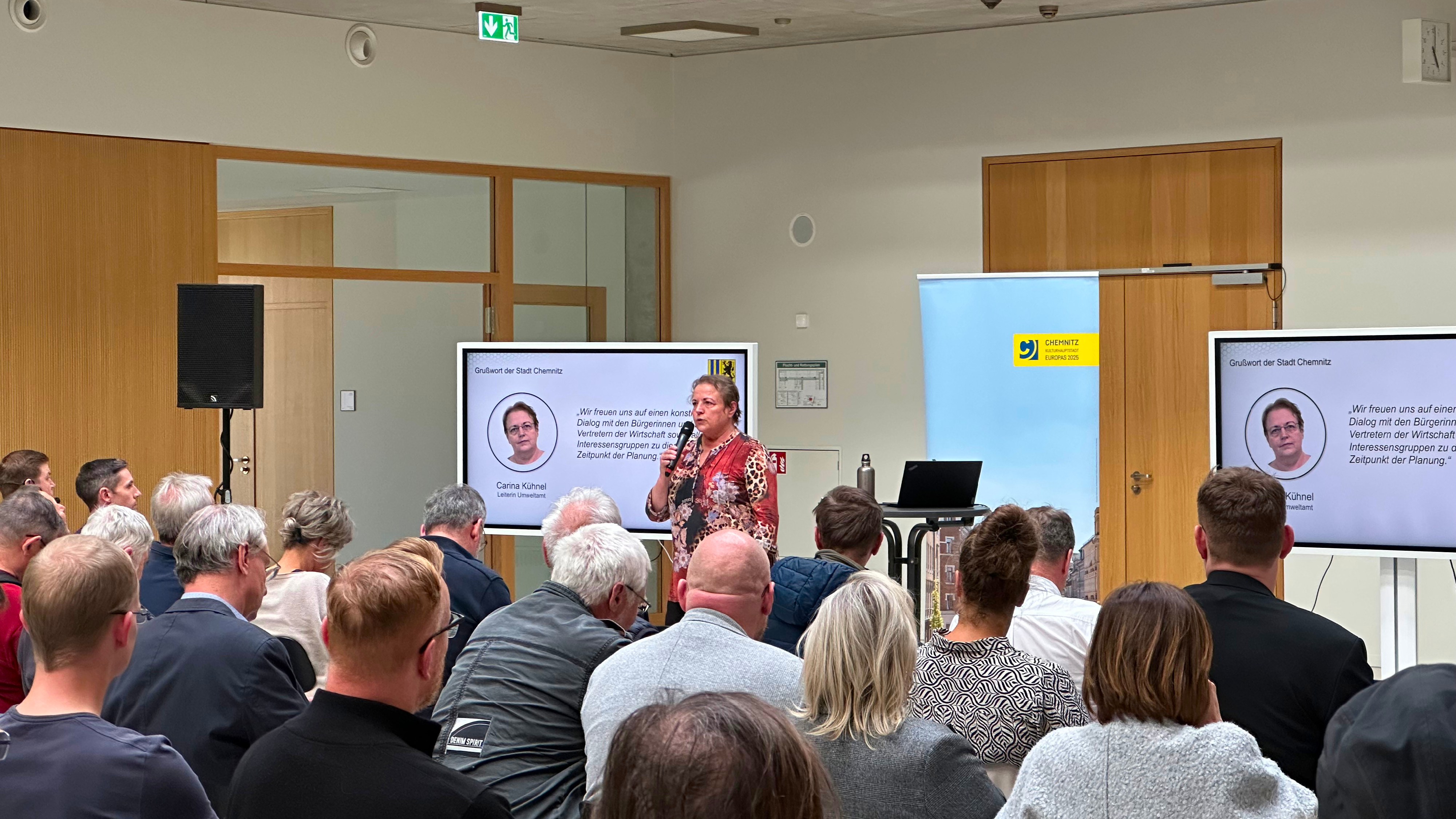
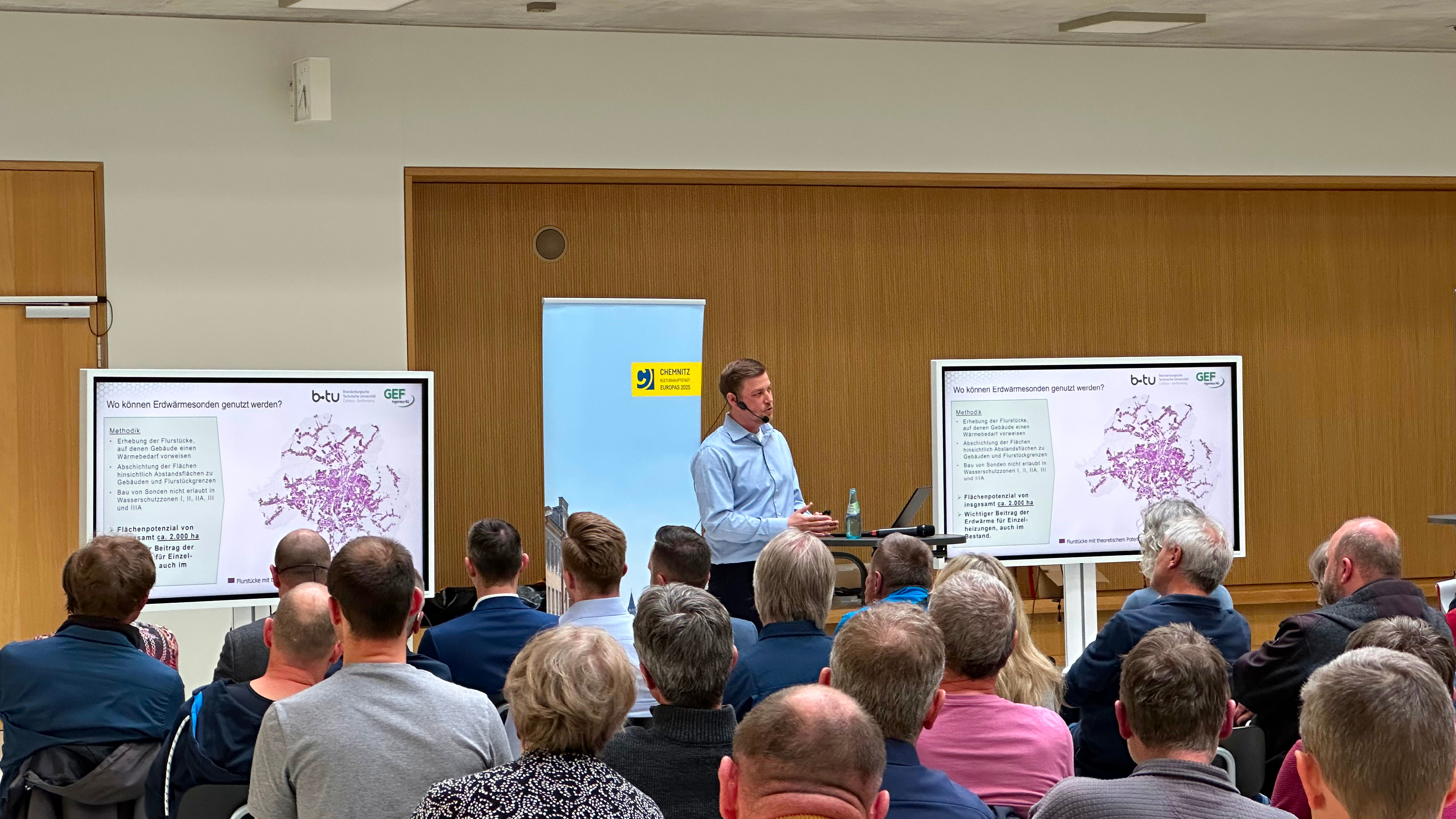
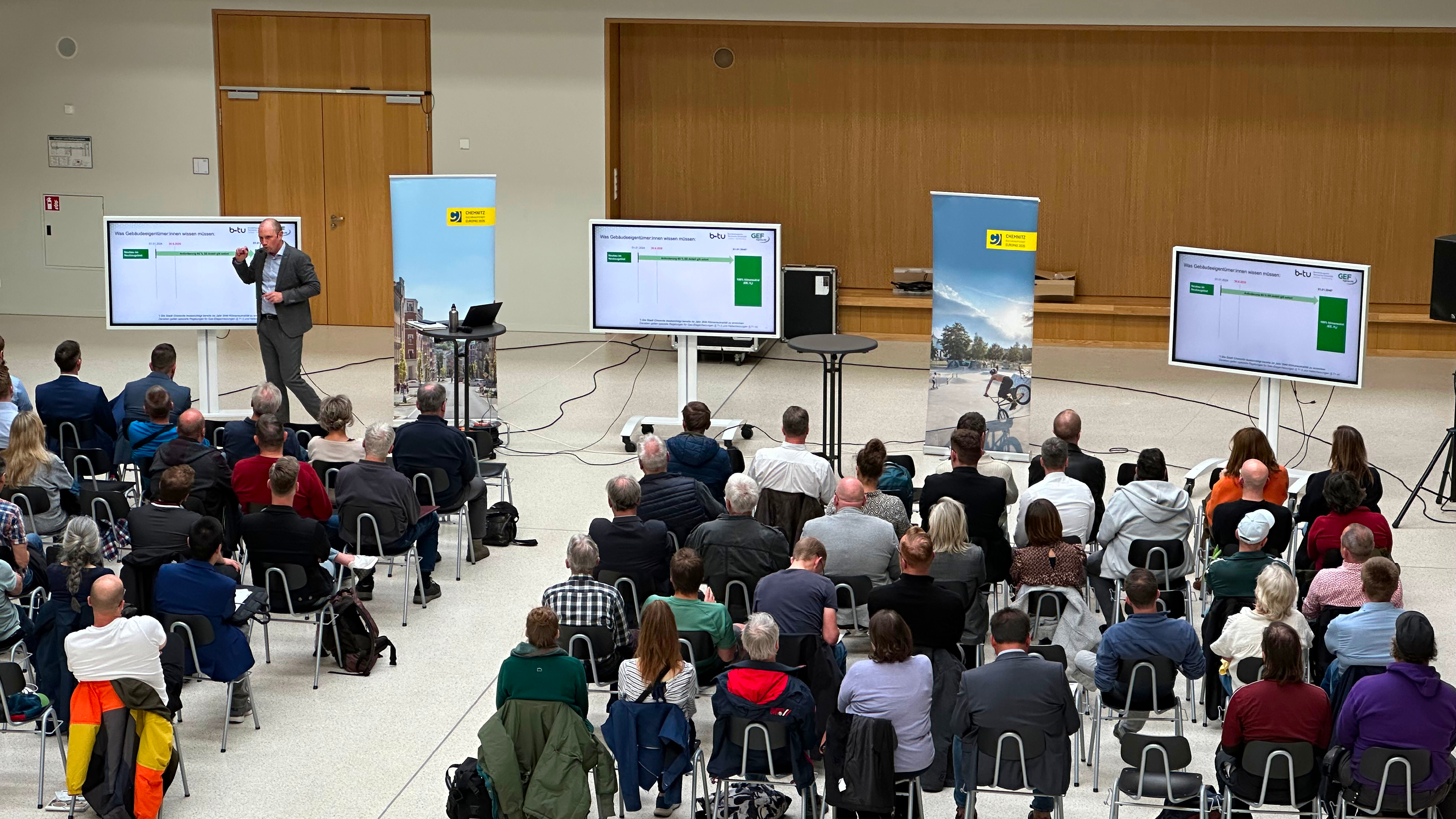
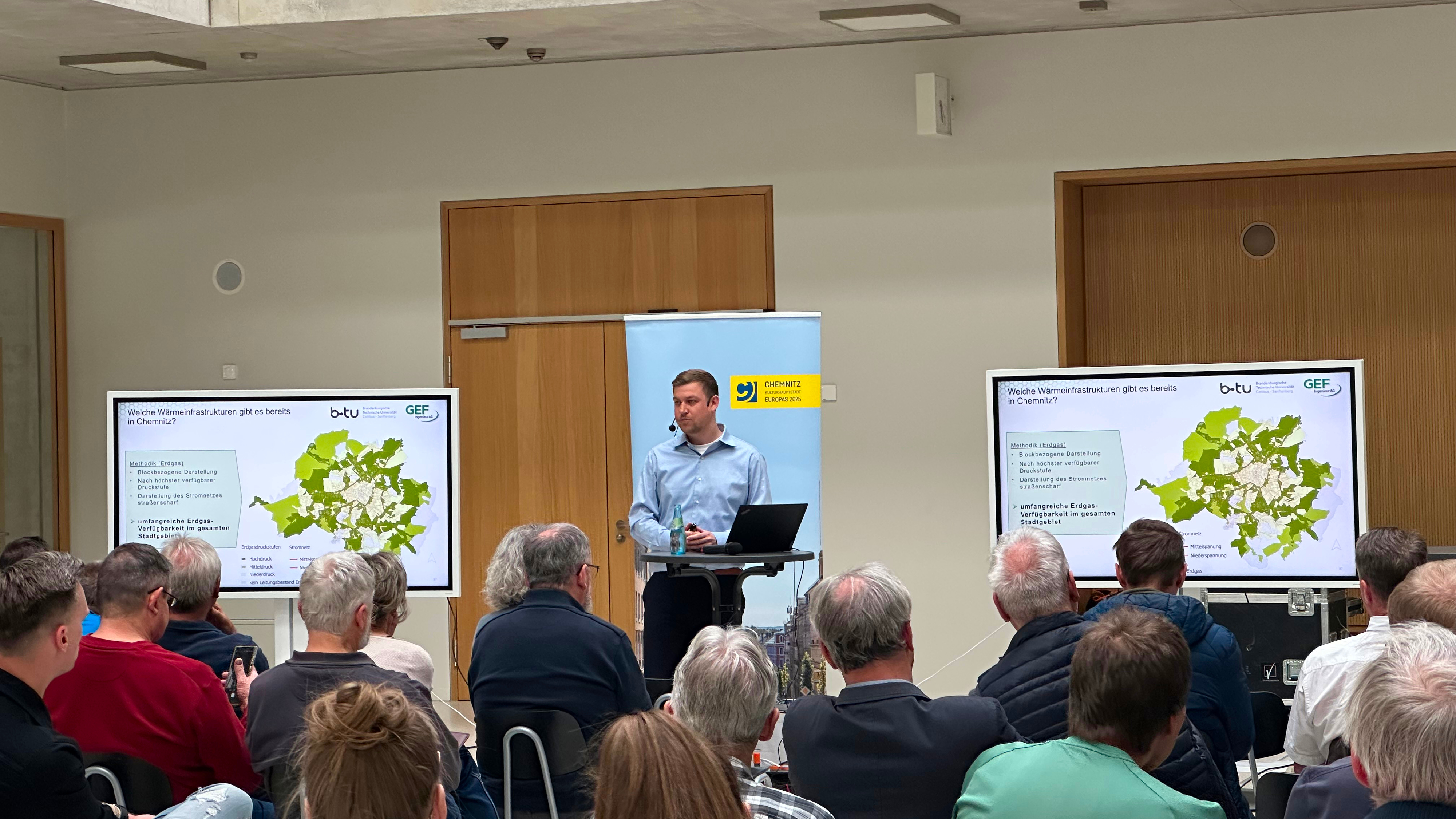
On 8 May 2025, the first information event on municipal heating planning took place at the "Am Hartmannplatz" secondary school. The event, which was aimed at the general public, was attended by around 80 participants.
During the event, the new planning task of municipal heat planning and the current status of the inventory and potential analysis were presented. Before and after the event, there was the opportunity to ask questions to the experts present from the City of Chemnitz, the Saxony Consumer Advice Centre, Klimabündnis Chemnitz, eins energie in Sachsen Gmbh & Co KG, inetz GmbH, an expert on the Building Energy Act from the Institute for Technical Building Services Dresden and the Saxon Energy Agency (SAENA).
The official part of the lecture with presentation of the interim results by the commissioned planners began at 5 pm. Following the presentation, the opportunity was taken to address questions to the experts present and to engage in dialogue.
Kickoff
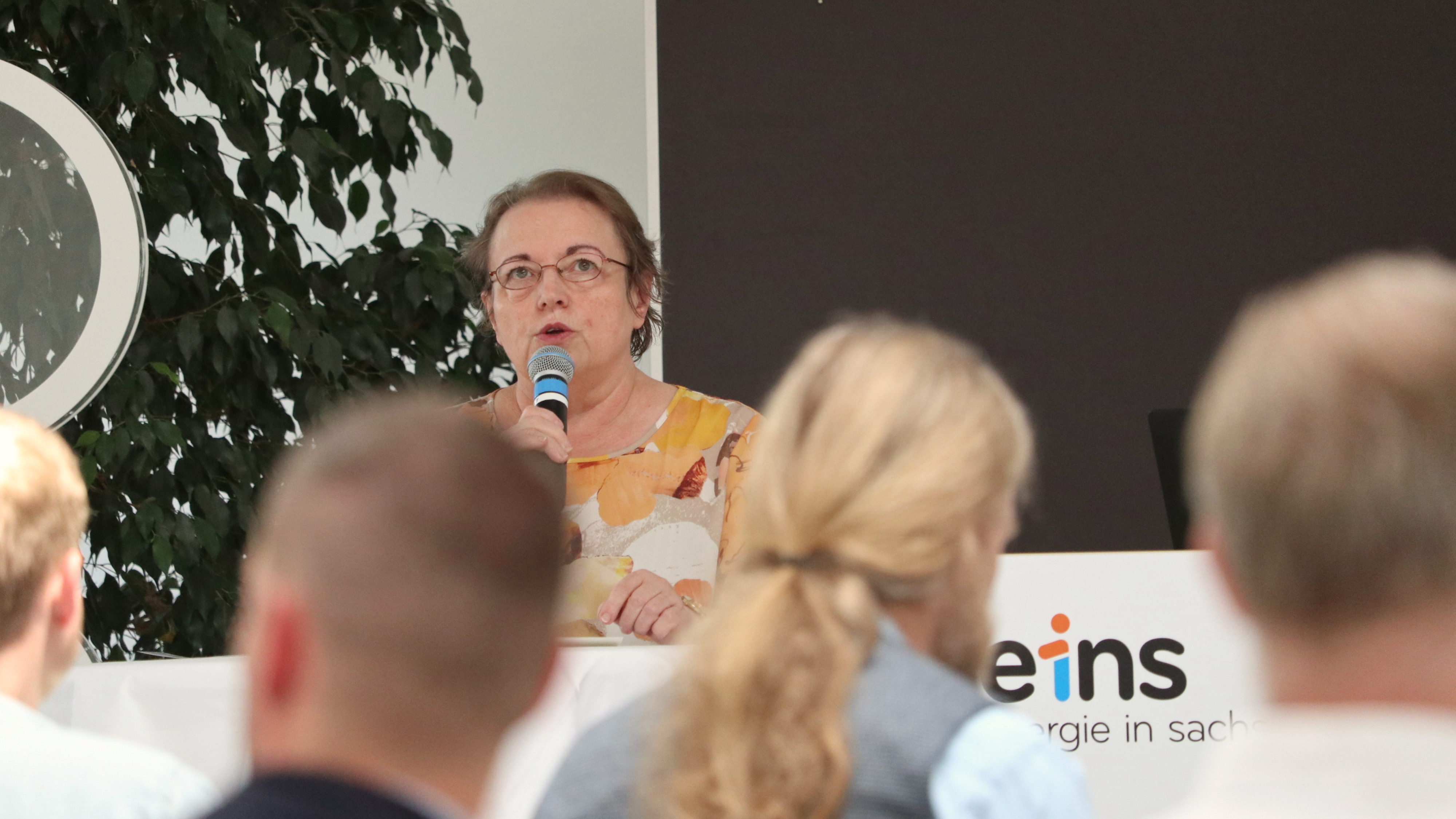
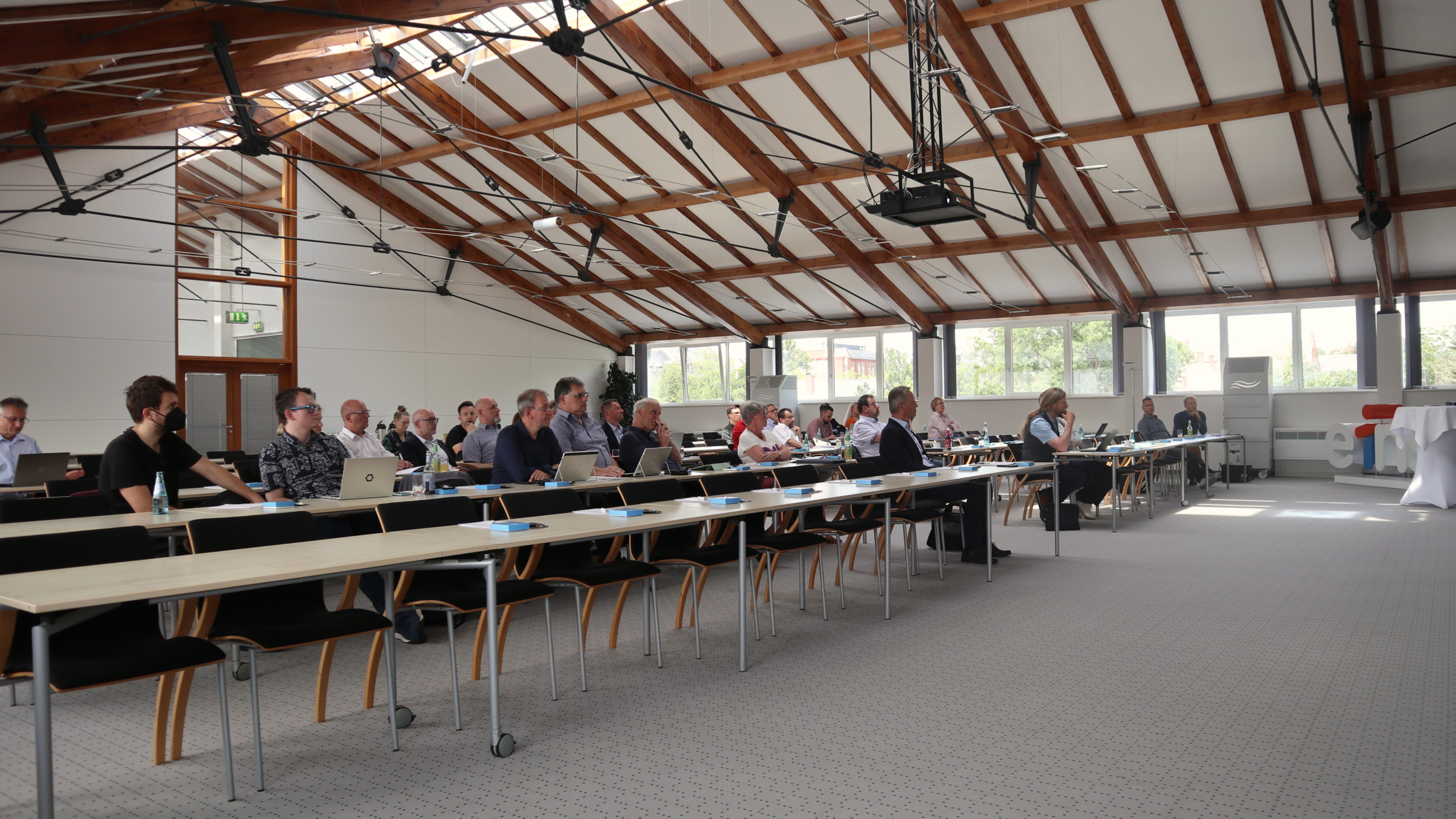
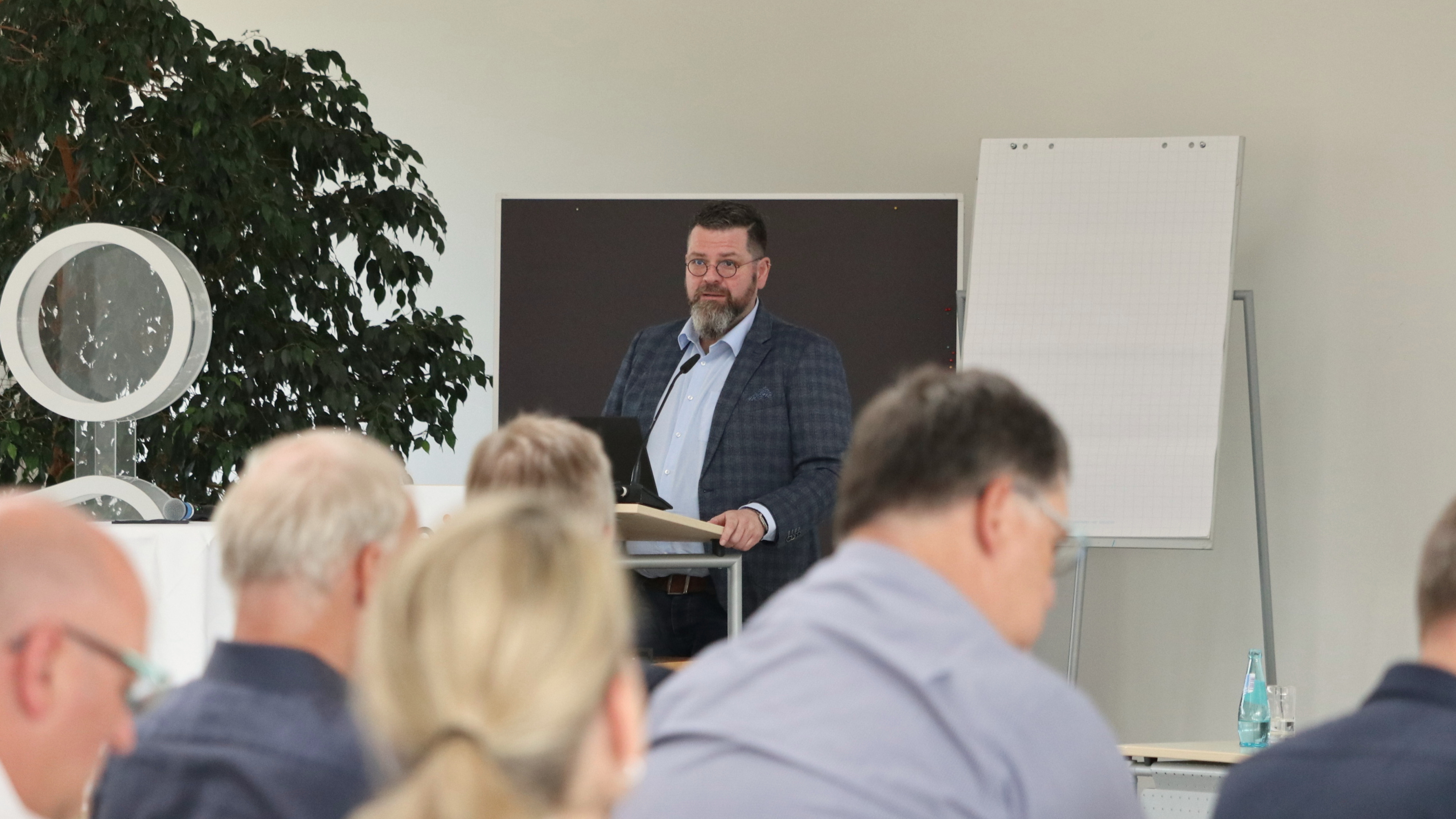
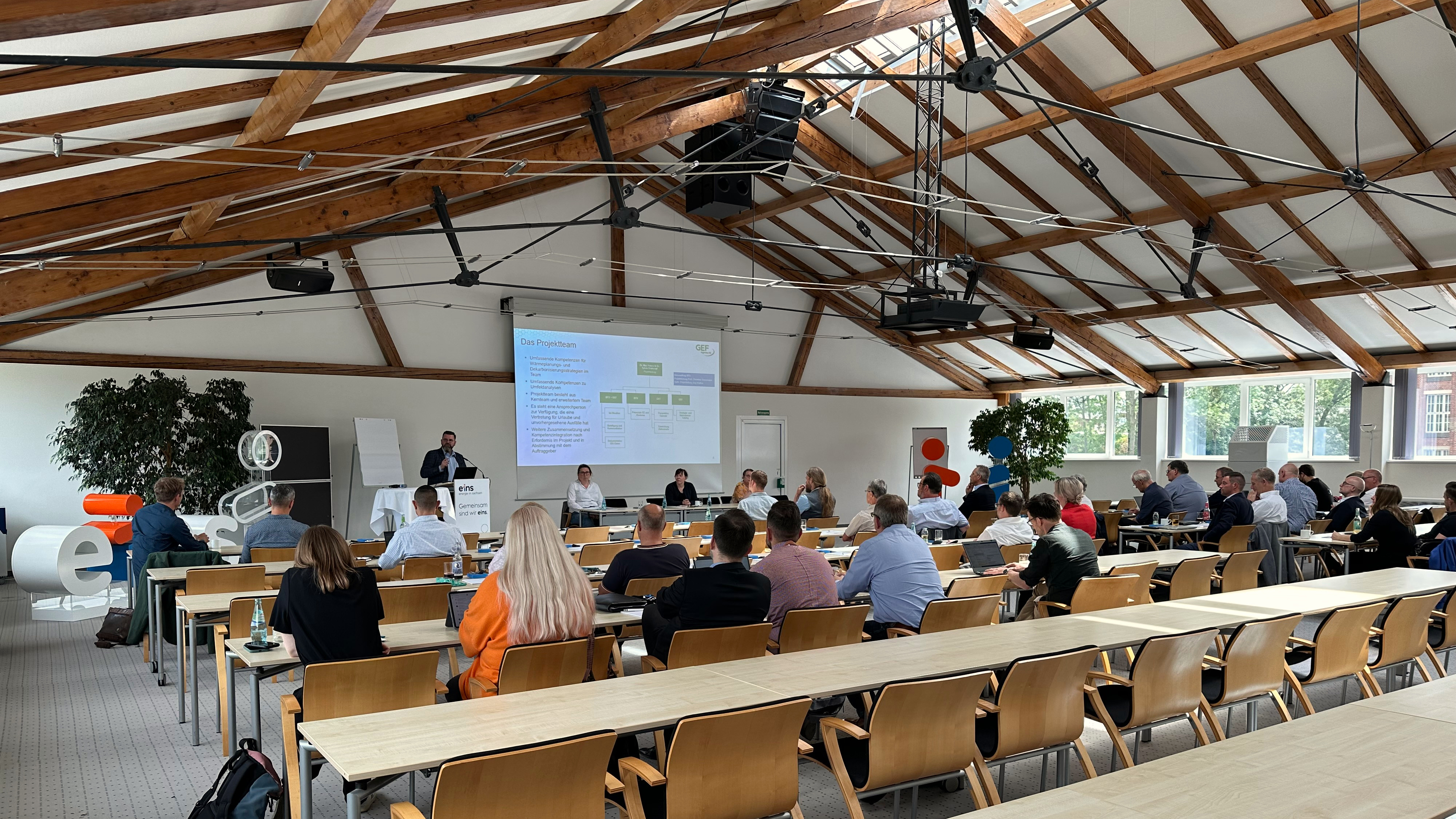
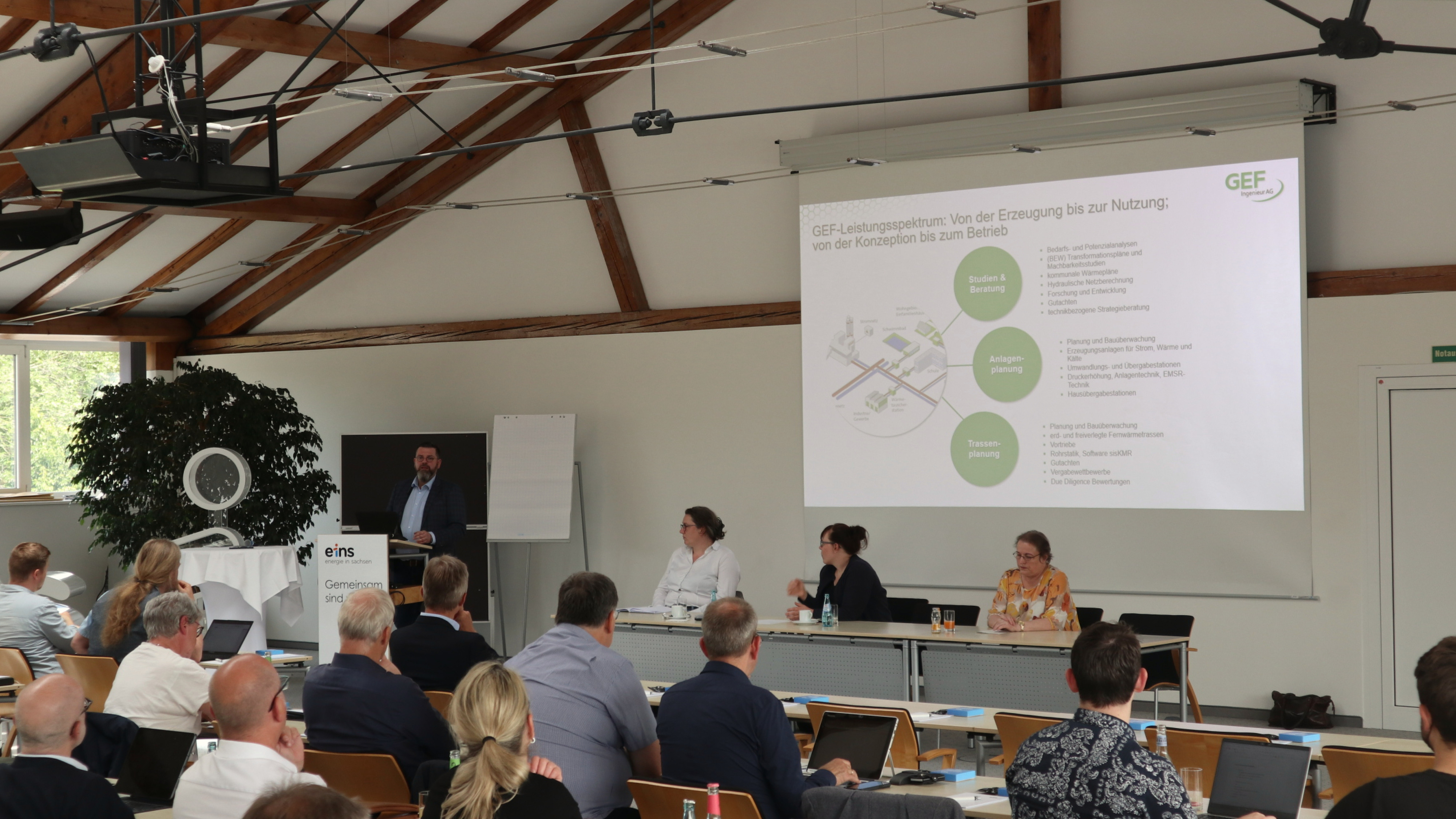
Municipal heating planning is another piece of the puzzle towards greenhouse gas neutrality in the city of Chemnitz. It is intended to make a significant contribution to a cost-efficient, sustainable, economical, affordable, resilient and greenhouse gas-neutral heat supply. Measures are to be developed with which the city area can be supplied with climate-friendly heat.
The kick-off for Chemnitz's heat planning took place on 20 June 2024 at the eins conference centre on Straße der Nationen. Key parties involved in the planning came together for an initial exchange of information about the next steps. The project organisers, GEF Ingenieur AG and the Brandenburg University of Technology Cottbus-Senftenberg, introduced themselves. Dr Stephan Richter, CEO of GEF Ingenieur AG, says: "We are delighted to be accompanying the city of Chemnitz on the way to its municipal heating plan and to be working together to make decisive progress with the local heating transition."
Public information events are also planned as part of the project in order to involve the people of Chemnitz in the process. "Transparent and target group-oriented heat planning is necessary for the further decarbonisation of Chemnitz's heat supply. It is an essential pillar for greenhouse gas neutrality in 2040," says the head of the City of Chemnitz's environmental department, Ms Carina Kühnel. The project benefits from 90 per cent federal funding as well as from existing heat plans in Germany.
The heating plan serves the city of Chemnitz as an informal planning instrument that outlines the long-term development of the heating sector. This allows future measures to be harmonised. The heating plan shows how the heat supply should develop technically, spatially and over time. However, this does not result in any legal obligation. Building owners are still free to choose their heating technology.
FAQ
Chemnitz is currently (as of 2022) mainly heated with fossil fuels. Chemnitz has an annual heating requirement of 2,315 gigawatt hours. The following scales result for the energy sources in total heat consumption.

The abbreviation "WP" used in the diagram stands for the heat pump.
Natural gas and district heating dominate as energy sources in Chemnitz.

Heat consumption is stated in megawatt hours.
The residential sector consumes by far the most heat.

Heat consumption is stated in megawatt hours.
In the balance year 2022, 589,153 tonnes ofCO2 equivalent were emitted in Chemnitz due to heat consumption.

The annual emissions are stated in tonnesof CO2 equivalent.
For Chemnitz, municipal heating planning provides a valid planning basis for decarbonising the heating sector. It therefore makes a significant contribution to the city's 2040 climate neutrality target and is another important basis for sustainable urban planning and development.
The heating plan provides building owners and citizens with an orientation on the possible future of heat supply.
The draft heat planning will be on public display from 22 January to 22 February 2026 so that interested citizens, associations and institutions can view it and submit comments.
The documents can be downloaded from 22.01.26 under this link.
In addition, the documents will be on public display from 22 January 2026 up to and including 22 February 2026 at the Technical City Hall, Friedensplatz 1, 09111 Chemnitz, in exhibition room 014 (to the right of the city shop window) at the following times
- Mondays to Wednesdays from 8.30 a.m. to 3 p.m.
- Thursdays from 8.30 a.m. to 6 p.m.
- Fridays from 8.30 a.m. to 12 noon
Suggestions, proposals or objections to the draft municipal heat planning for the City of Chemnitz can be sent by post to the following address by 22 February 2026 City of Chemnitz, Environmental Office, 09106 Chemnitz or by email to: umweltamt(at)stadt-chemnitz.de.

Companies from the housing industry, the energy supplier eins energie in sachsen GmbH & Co. KG, the grid operator inetz GmbH as well as the project organisers GEF Ingeneur AG and the Brandenburg University of Technology Cottbus-Senftenberg are mainly involved in drawing up the heating plan.